Start with the job, then pick the gas
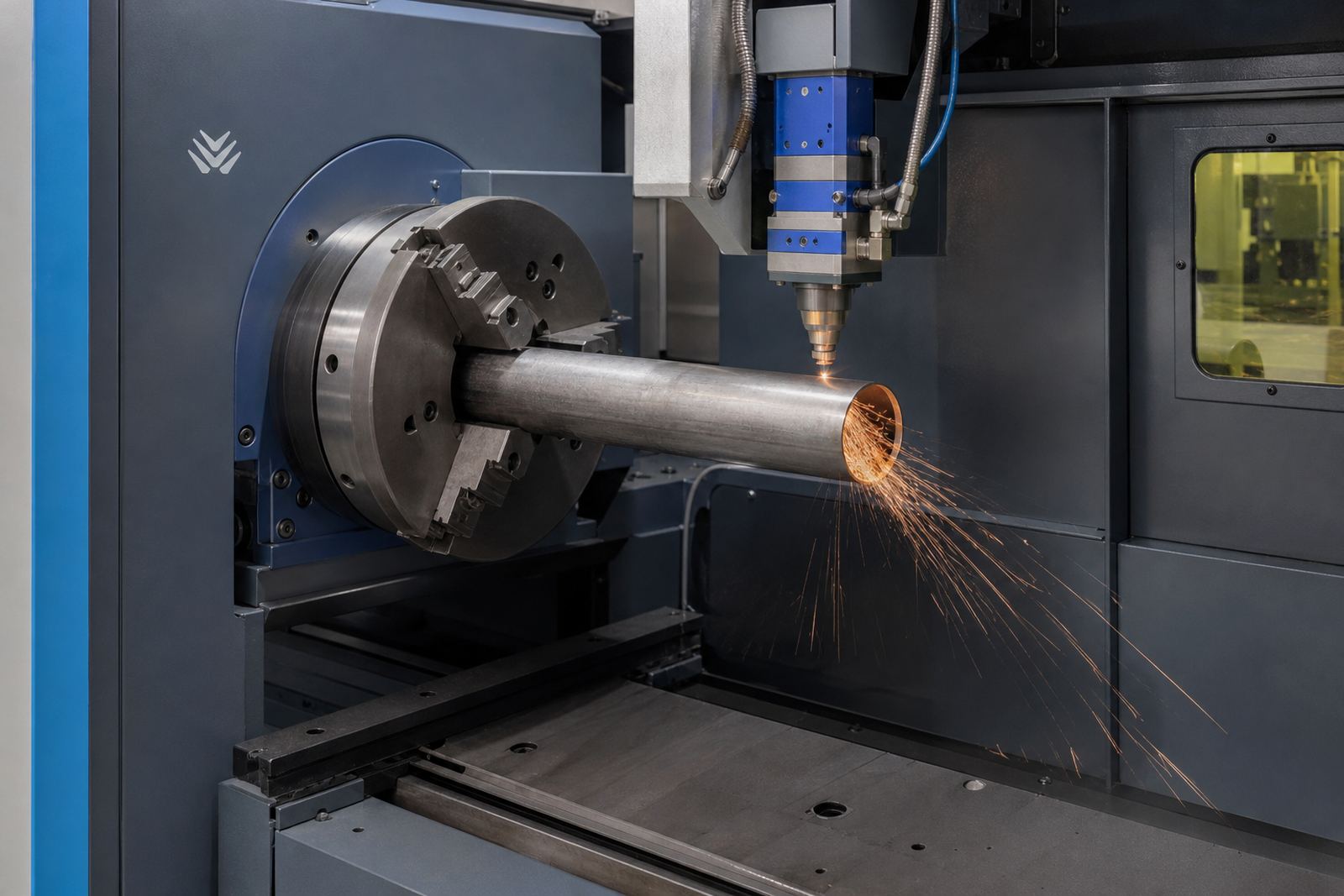
On fibre laser tube cutting, assist gas does more than clear molten metal from the kerf. It also affects cut speed, edge colour, dross, heat input and how much cleaning happens after the part leaves the machine. Round tube, square tube, rectangular tube, angle and channel each react a little differently because the laser is often dealing with changing standoff, corners and open sections in the same nest.
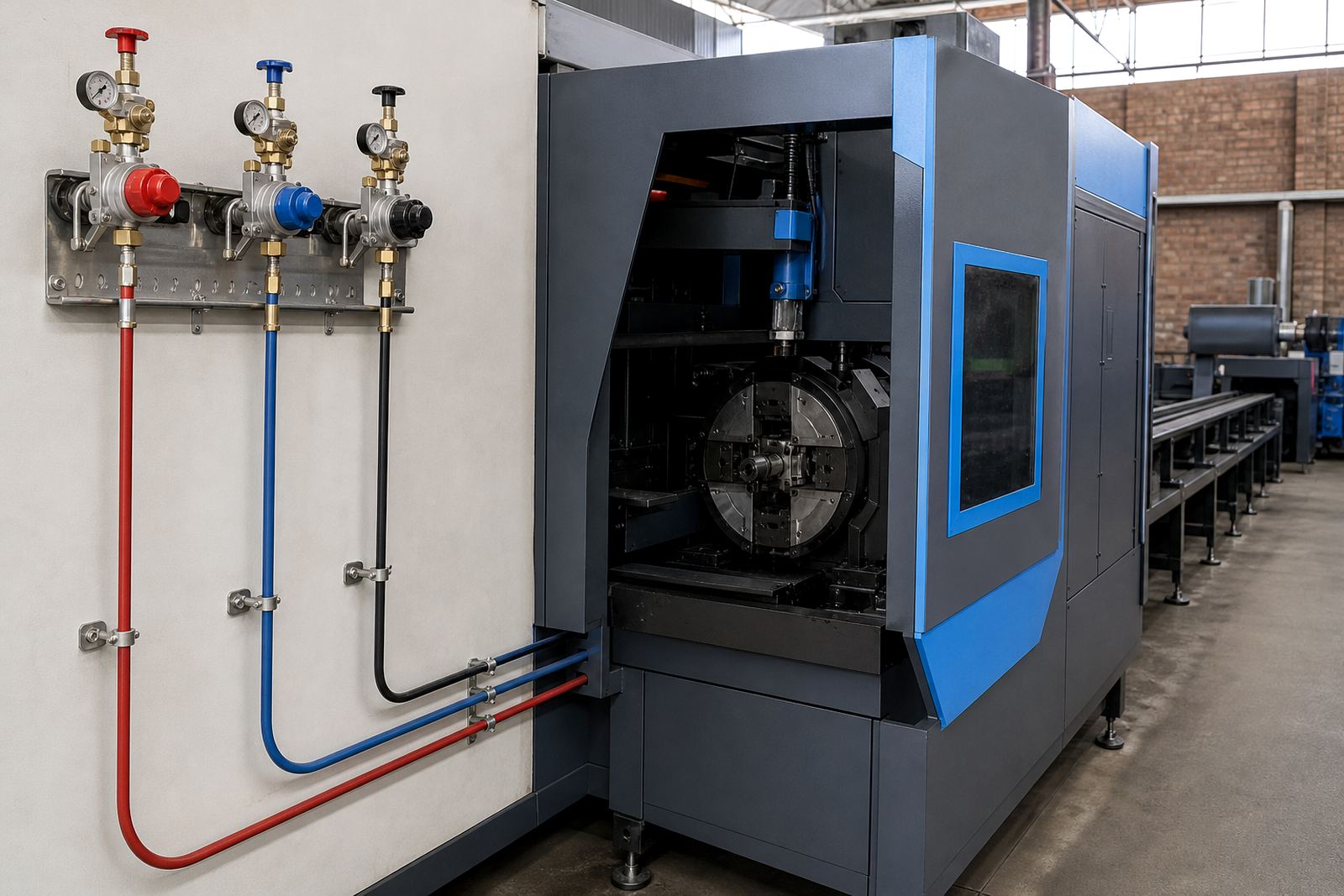
Air, nitrogen and oxygen all have a place. The cleaner the required edge, the more you lean towards an inert gas. The more you want lower running cost on mild steel, the more air or oxygen may enter the picture. On a Wadeville fabrication floor, the real decision is usually a trade off between finish, cycle time and what the part needs in the next operation.
- Air suits general purpose cutting where moderate edge quality is acceptable.
- Nitrogen suits bright edges and cleaner parts, especially on stainless steel.
- Oxygen suits some carbon steel work where faster piercing and lower gas cost matter.
Air for general work and mixed production days
Compressed air is the most familiar option for many fabrication shops. It is usually the first gas a team tests when they want to move from manual cutting or saw work into laser tube processing without locking the machine into a narrow material range. Air can give a usable cut on mild steel and some lighter gauge sections, provided the compressor, filtration and drying are managed properly.
The practical benefit is cost control. Air is available on site in many plants and it removes the need for separate gas storage in some setups. The trade off is cut quality. Compared with nitrogen, the edge can show more oxidation, and compared with oxygen the process may not be as forgiving on certain thicknesses. On visible handrails, furniture frames or product parts that will be powder coated, that extra cleaning can matter.
- Best for: mild steel tube and profile work with general fabrication requirements.
- Watch for: moisture, oil carryover and inconsistent pressure from poor air treatment.
- Useful when: the part will be ground, welded or coated after cutting.
Nitrogen when edge finish carries the load
Nitrogen is the clean edge option in many fibre laser jobs. It is an inert gas, so it helps prevent oxidation at the cut face and gives a brighter finish on stainless steel and aluminium. For tube work, that matters when the finished item is exposed, visible or going straight into assembly with little no rework. It is common on shop fittings, architectural frames and stainless assemblies where the cut edge must look neat off the machine.
The cost is higher than air in most South African workshops, and the gas supply setup needs careful planning. Pressure, nozzle condition and leak control all influence how much gas the machine uses. A badly set machine can burn through nitrogen without giving the finish the shop expected. That is why operator training and nesting training matter just as much as the gas choice itself.
- Best for: stainless steel tube, aluminium profiles and visible mild steel parts.
- Watch for: gas wastage from poor alignment, worn consumables and incorrect pressure.
- Useful when: the job must leave a clean edge with very little post processing.
Oxygen for carbon steel where speed and heat help
Oxygen is used mainly on carbon steel. It reacts with the hot metal during cutting and can support fast piercing and efficient cutting on certain material ranges. For some tube and profile jobs, oxygen makes sense where the edge will be welded, dressed or hidden later in the build. On stainless steel or aluminium, oxygen is seldom our first choice, because oxidation becomes part of the finished edge.
In practice, oxygen is about process control. It can help on thicker mild steel tube, heavy wall sections and profile parts that need productive throughput. The edge may show more scale and discolouration, so the downstream process must account for that. A fabrication plant in Germiston making structural frames, gates and brackets may use oxygen on some carbon steel work and nitrogen on visible items in the same week.
- Best for: carbon steel tube and profile work where oxidation is acceptable.
- Watch for: more scale, heat affected colour and cleaning before welding or coating.
- Useful when: the job values productive cutting over a decorative edge finish.
Tube shape changes the way gas behaves
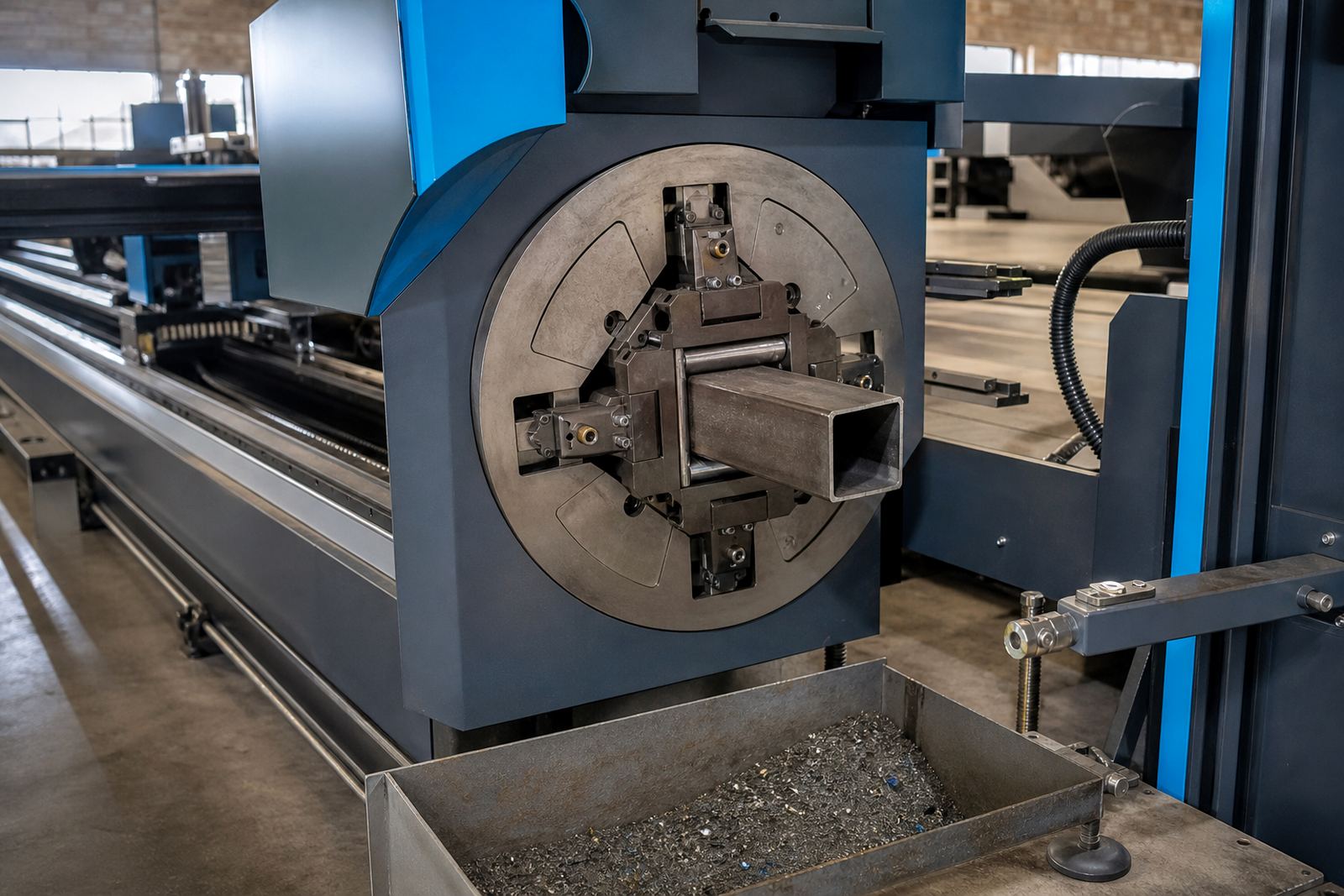
Tube cutting is not the same as cutting flat sheet. On round tube, the cut path moves over a curved surface and gas flow must stay stable as the head tracks around the circumference. Square and rectangular tube bring corner conditions that can trap heat or leave a heavier burr if the settings are off. Angle and channel create open sections with varying airflow around the cut zone, which can change how the molten edge clears.
Bevel heads add another layer. Once the cut includes an angled edge, the gas has to support a consistent kerf while the head changes its position. So we check chuck alignment, nesting software and calibration with the gas settings, because all three affect cut stability and edge quality during bevel cutting. If the setup is wrong, the wrong gas gets blamed for a problem that started with machine settings.
- Round tube needs stable rotation and consistent gas delivery around the full profile.
- Square and rectangular tube need careful corner handling to avoid heavy edge build up.
- Bevel work needs correct setup, or the edge finish will vary from part to part.
A local plant view from Wadeville to the coast
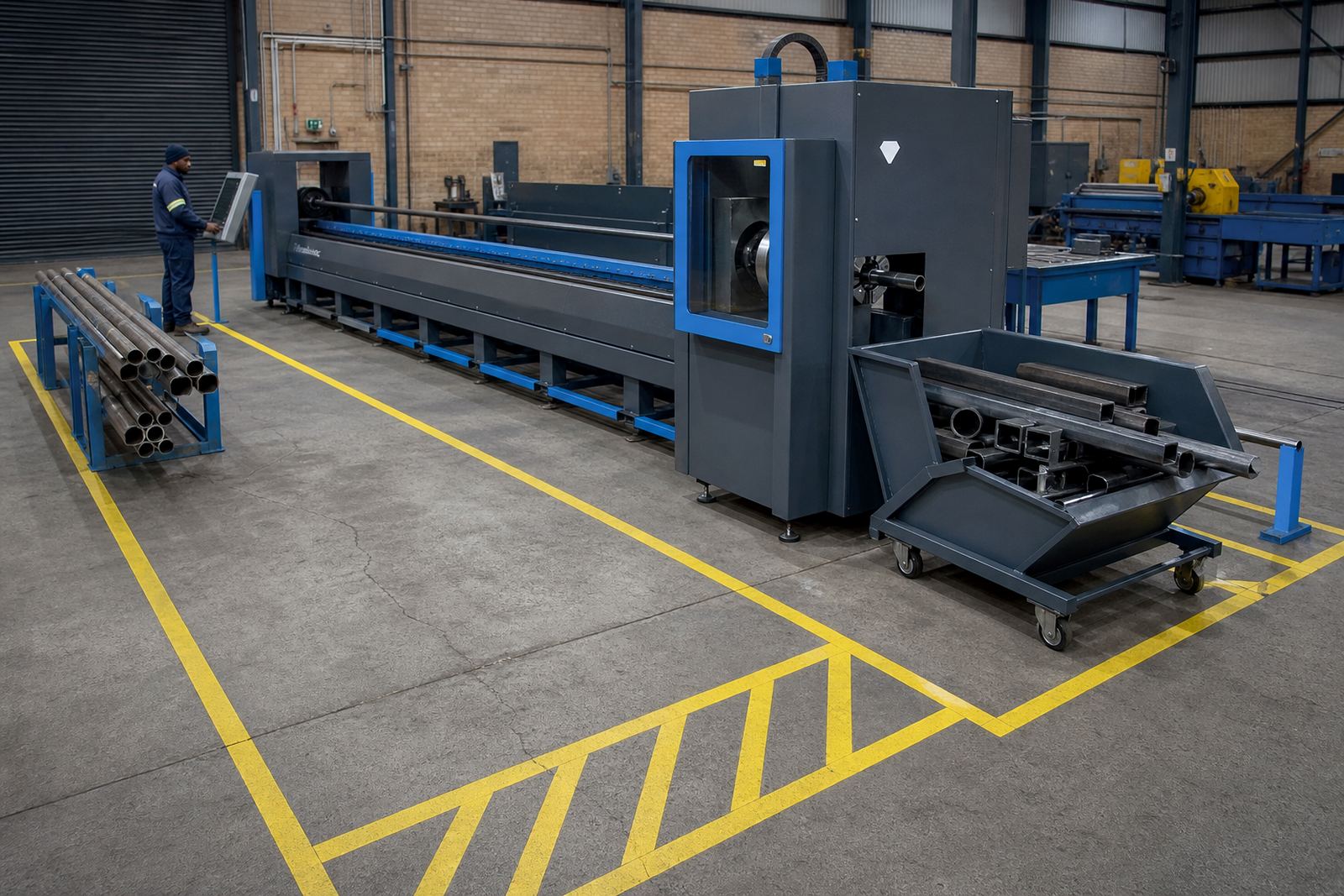
A fabrication shop in Wadeville making mild steel tube frames for a Durban customer may choose a different gas mix from a Cape Town plant cutting stainless handrail sections for a coastal site. Coastal humidity can affect compressed air quality if the drying system is not properly managed, while inland workshops may focus more on gas pressure stability and storage planning. The point is not that one gas is best for everyone. The point is that each site has its own constraints.
That is where site assessment, assist gas setup and preventive maintenance earn their place. A machine that is soundly installed, with aligned chucks, correct nozzle setup and proper gas delivery, will give more predictable work than one that is running on guesswork. For tube and profile cutting, the gas choice should sit inside the full production picture: material grade, edge finish, operator skill and the next step after cutting.
A workable rule set for choosing the gas
There is no single answer for every fabrication floor, but there is a practical way to narrow it down. Begin by checking the material first, then the finish the part needs. If the part is stainless or aluminium and the edge will stay visible, nitrogen is usually the cleaner route. If the job is carbon steel and the edge will be welded or dressed later, oxygen can make sense. If the work is mixed and cost control matters most, air may be the starting point.
On a real production week, the best result often comes from matching the gas to the part family rather than forcing one setting across all jobs. That approach keeps nesting efficient, reduces waste and gives the operator a clearer process to follow. In tube and profile cutting, assist gas directly affects cut quality, output rate and final fit-up.