Where installation teams are sent
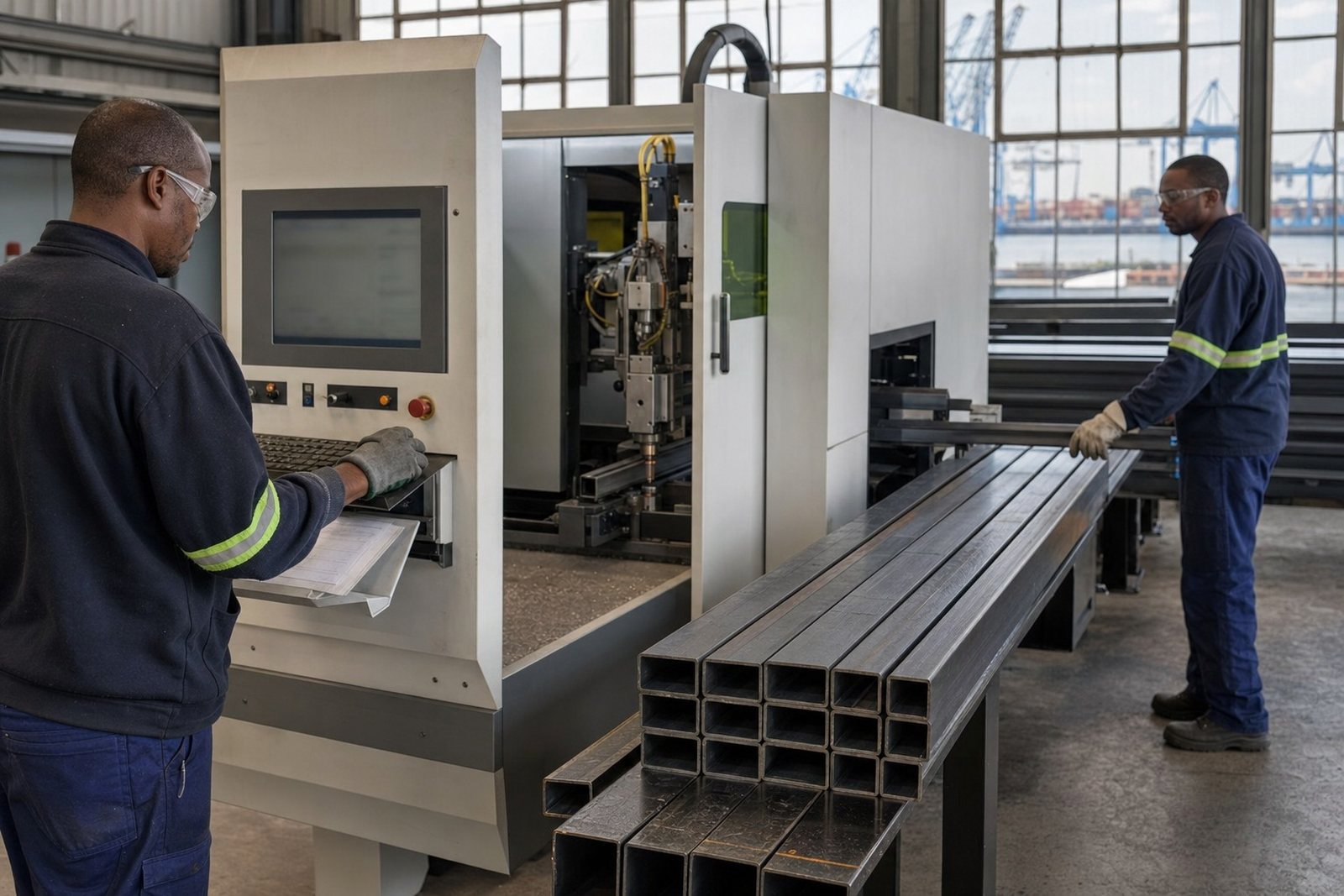
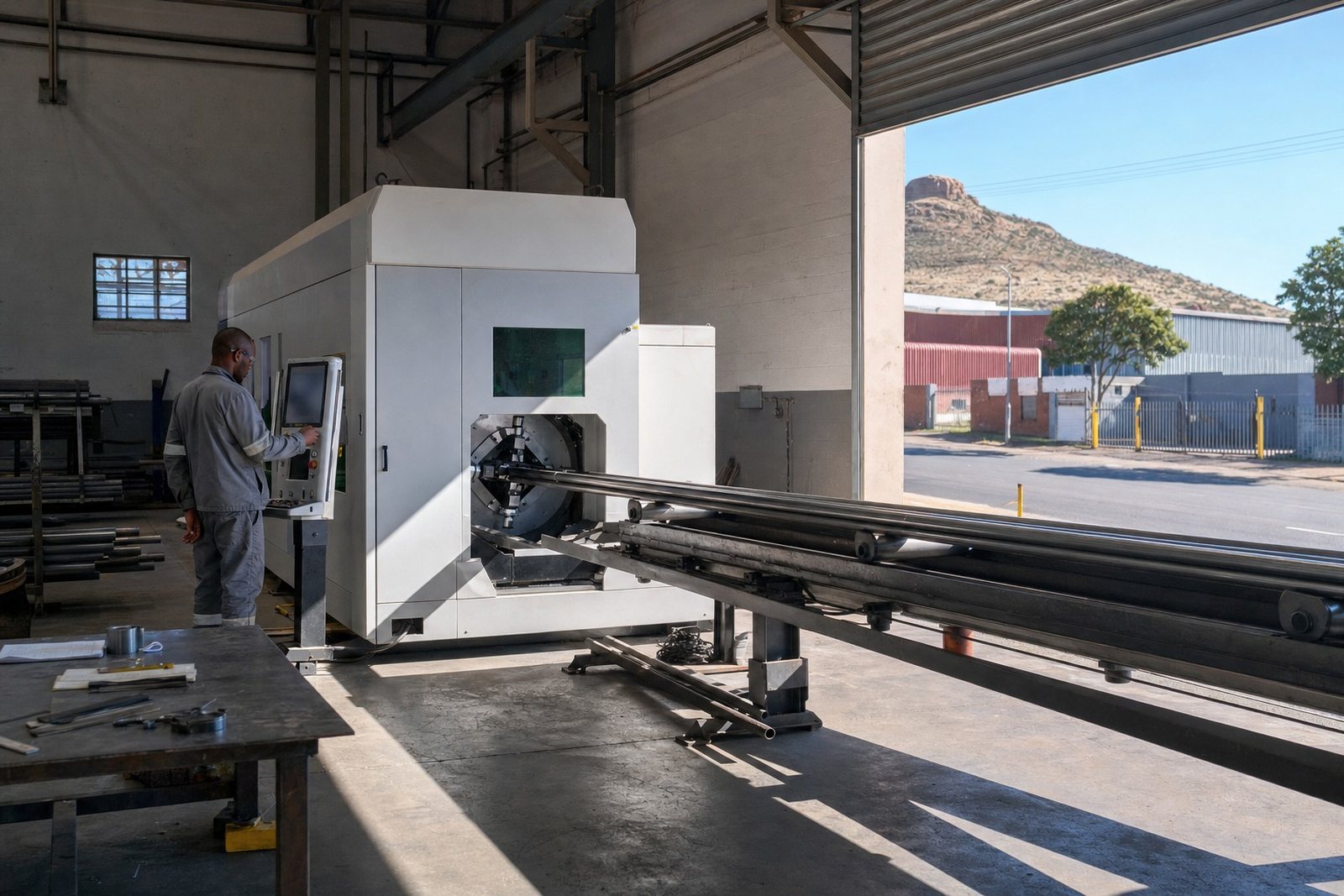
Installations are arranged for shops that cut round, square and rectangular tube, plus angle and channel in mixed fabrication work. The same plant may need a compact machine for jobbing work or a longer bed for production runs, so the area and access at site matter just as much as the cut list.
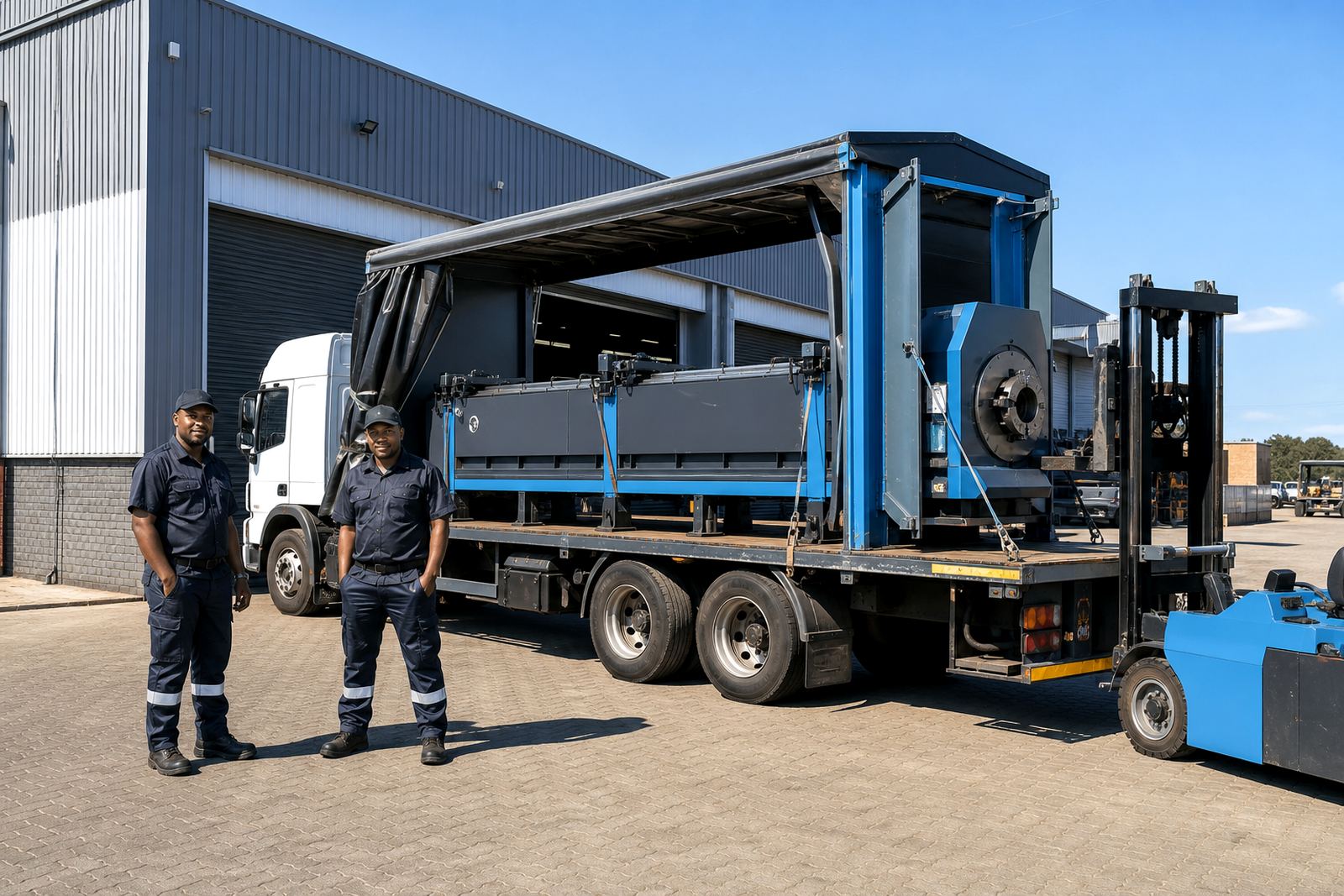
Wadeville is the base, but the work reaches across Gauteng, the coast and inland towns where steel fabrication keeps moving. We look at aisle width, floor condition, lifting access and where the finished machine will sit before rigging starts.
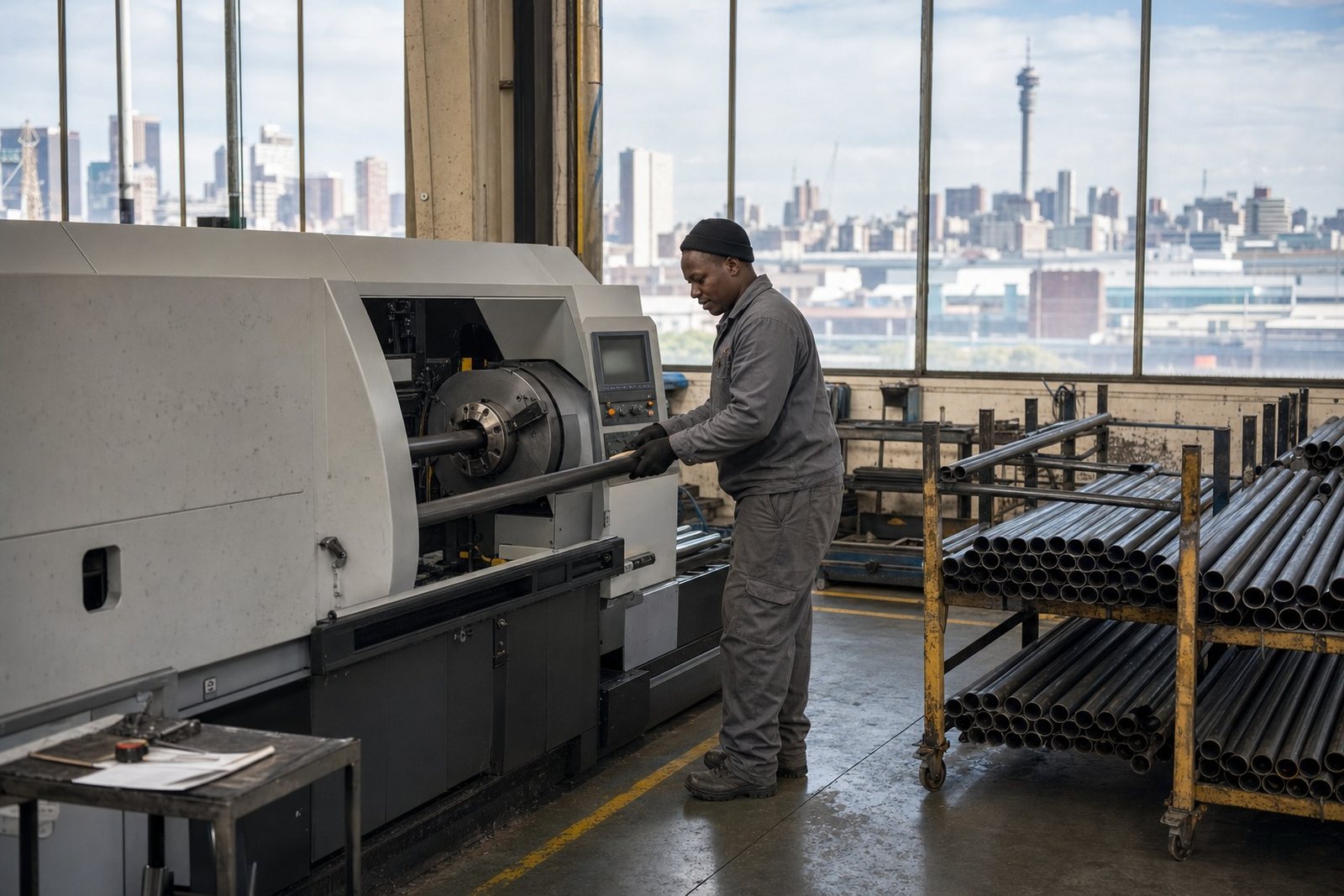
- Johannesburg and Germiston industrial areas
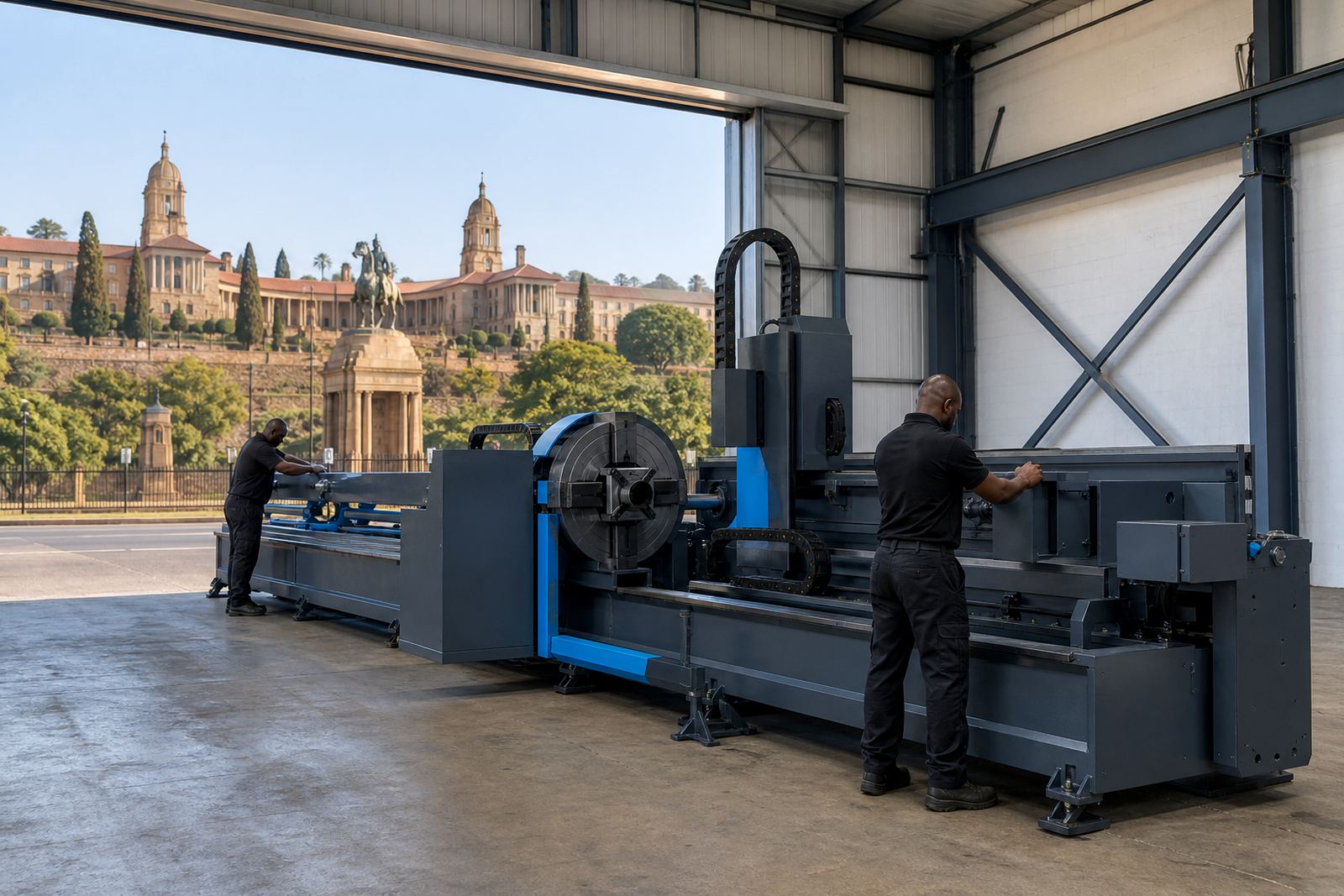
- Pretoria and surrounding fabrication parks
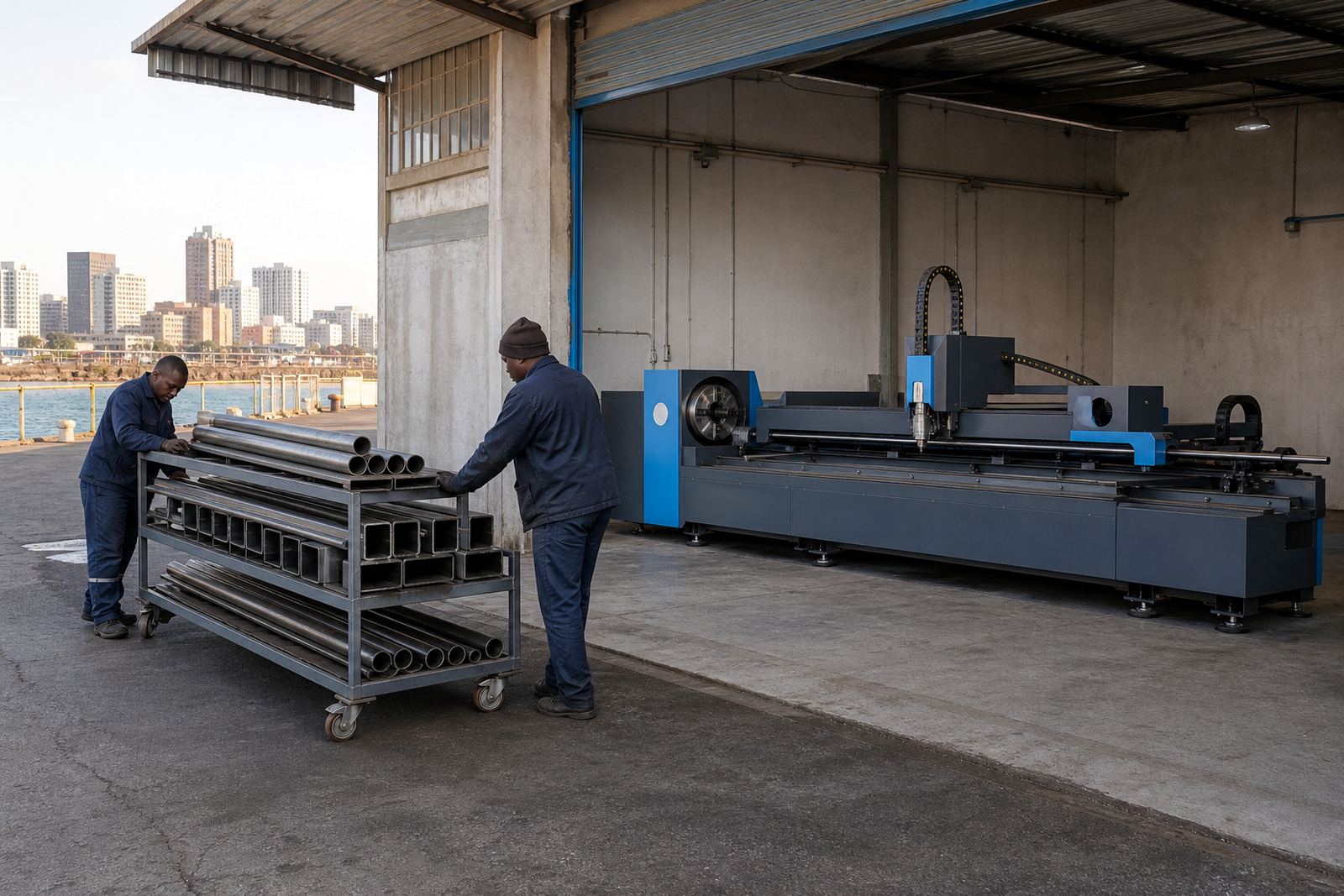
- Durban and coastal workshops with humid conditions
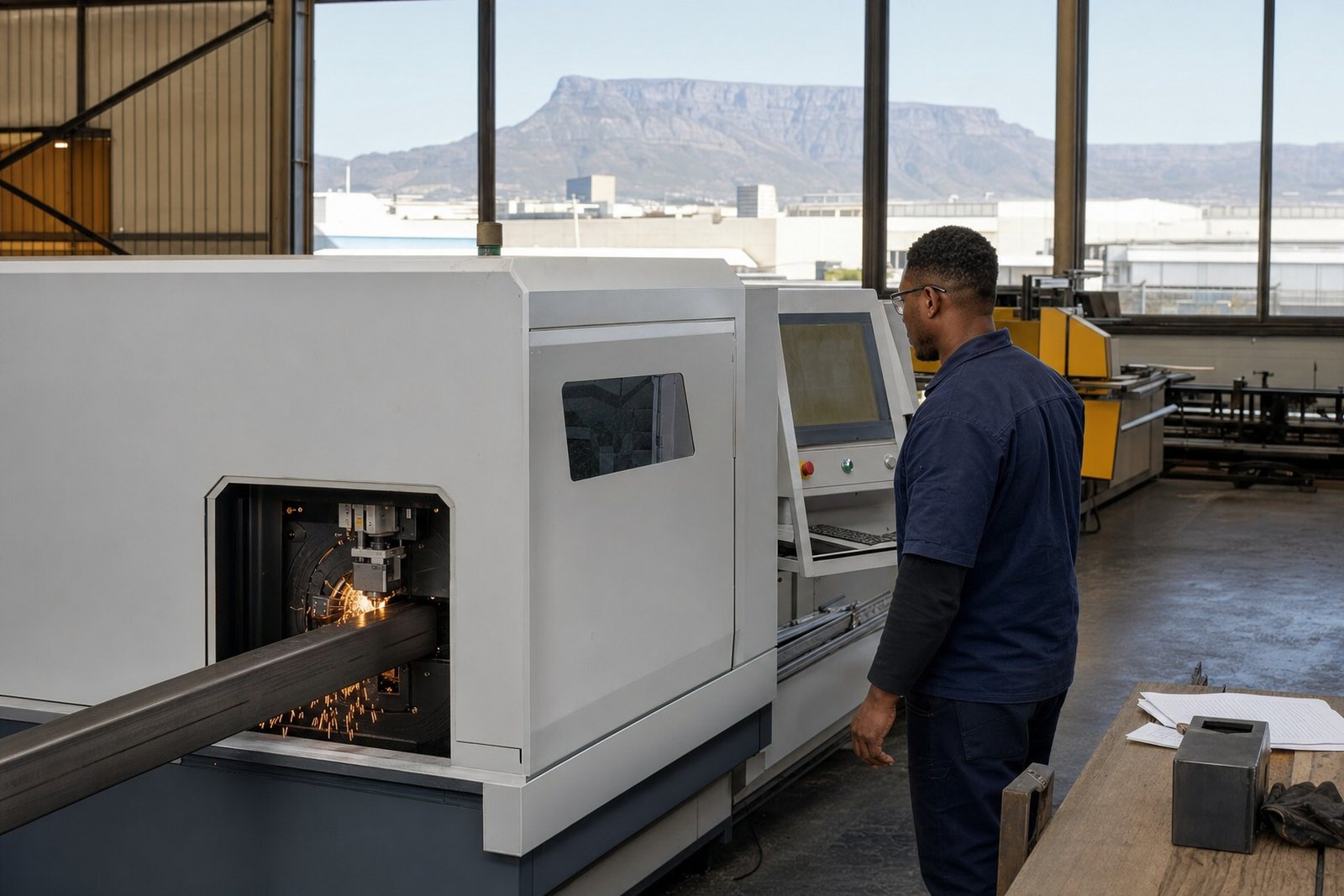
- Cape Town, Gqeberha and nearby production sites
- Bloemfontein, Nelspruit and other inland centres
The machine mix that suits each site
Not every workshop needs the same cutting table, chuck layout or bevel head. A small repair shop often wants quick changeovers and a compact footprint, while a plant running recurring work may need automatic loading, a stable nesting setup and tighter control over tube alignment.
The right match depends on the tube sizes, wall thicknesses and material mix on the floor. Some sites focus on light structural work, others move into heavier profile cutting with bevels, notches and prepared weld edges.
- Tube diameter range and profile sizes
- Need for bevel cutting on prepared joints
- Daily volume and shift pattern
- Material handling and offload space
- Level of operator experience on site
Training that fits the people using the machine
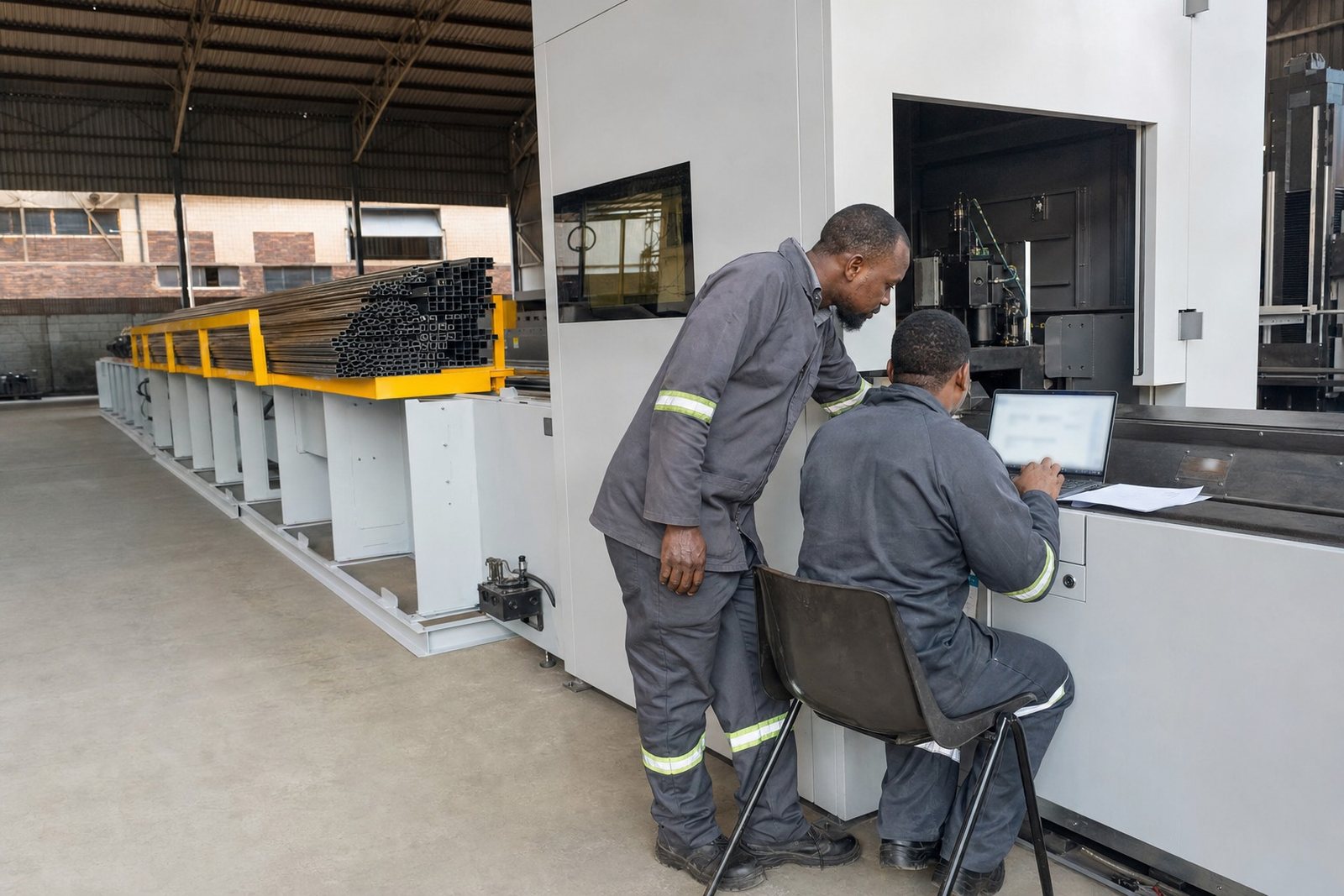
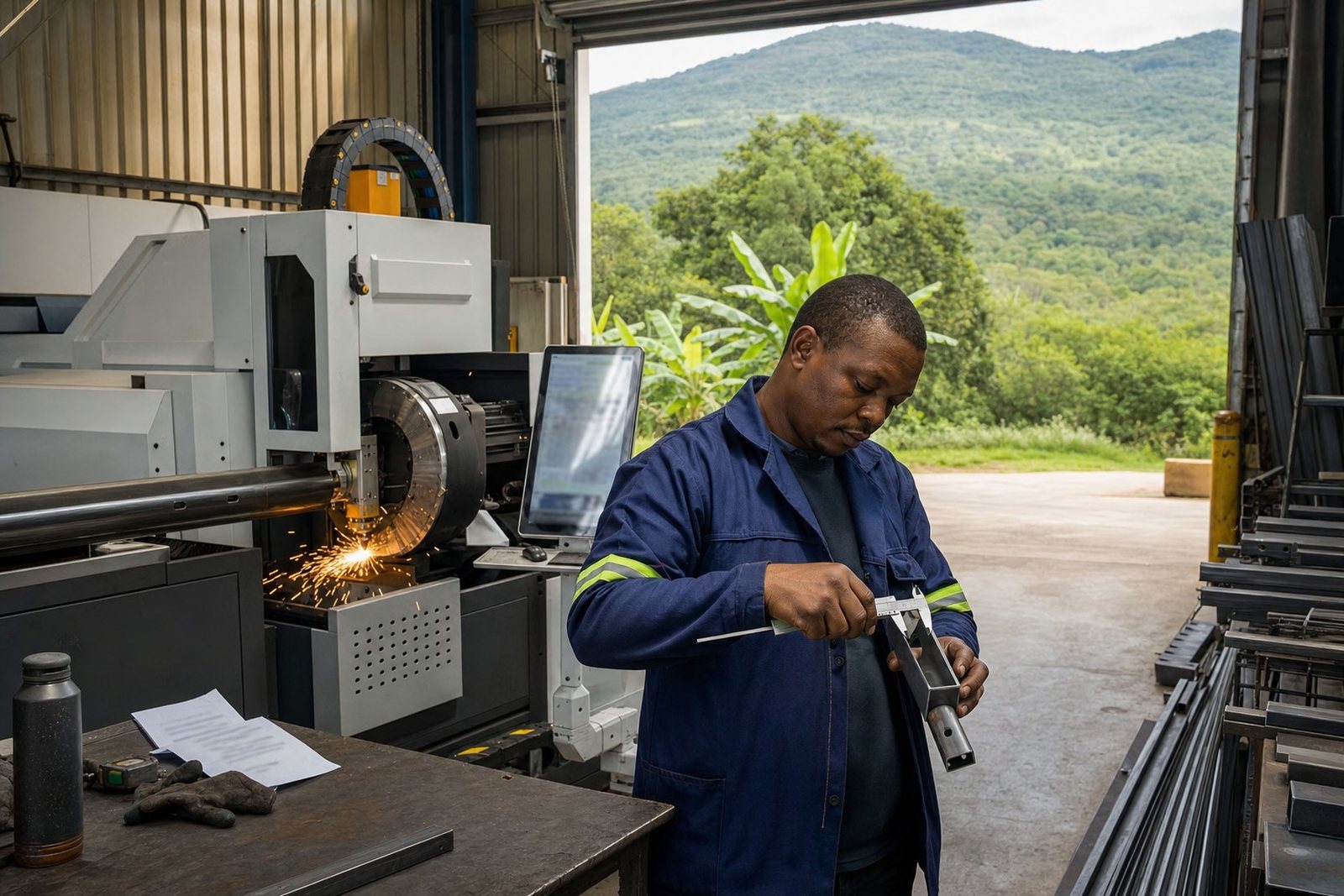
Operator training is part of the install because a fibre laser tube machine only performs well when the team understands setup, nesting, gas choice and cutting sequence. The first sessions normally cover machine controls, safe loading, chuck care and how to spot poor cut quality before a batch is wasted.
Nesting training matters when the workshop handles many short lengths or mixed profiles in one day. When people know how to place parts efficiently, the machine spends less time cutting scrap and more time doing work that gets sent out.
Support for sites that run every week
After installation, the machine still needs checking. Chuck alignment, bevel calibration, assist gas setup and preventive maintenance all affect edge quality and repeatability, especially where material moves through the shop in steady batches.
Remote diagnostics can help with fault finding, but some issues need a technician on site. That includes mechanical wear, alignment drift, gas flow problems and the kind of fault that only shows up under load.
- Routine checks on chucks and clamping points
- Gas pressure and nozzle setup for clean cutting
- Head calibration after heavy use or a move
- Maintenance planning around production gaps
- Breakdown response when the machine stops mid job
What site conditions affect the install
Fabrication sites differ more than people expect. A neat indoor plant in Pretoria can call for another setup than a coastal workshop in Durban, where salty, damp air means careful storage and frequent cleaning. In some places the challenge is access, in others it is floor level, dust or the route for rigging equipment.
We also look at safety controls around the cutting area, gas storage and the operator zone. A good install leaves the machine usable without crowding the space or making daily work awkward.
Planning an installation by region
Installation support reaches fabricators across South Africa, and the work each site needs depends on the floor, the stock lengths and how far the team is from Wadeville.
It is useful for fabricators planning a first fibre laser tube machine, and for plants adding a second unit into an existing line. If the site is in Wadeville, Johannesburg, Pretoria, Durban, Cape Town, Gqeberha, Bloemfontein or Nelspruit, the same core checks still apply, but the travel, rigging and training plan shifts with the location.