

Choosing a Tube Cutter for Real Workshop Work
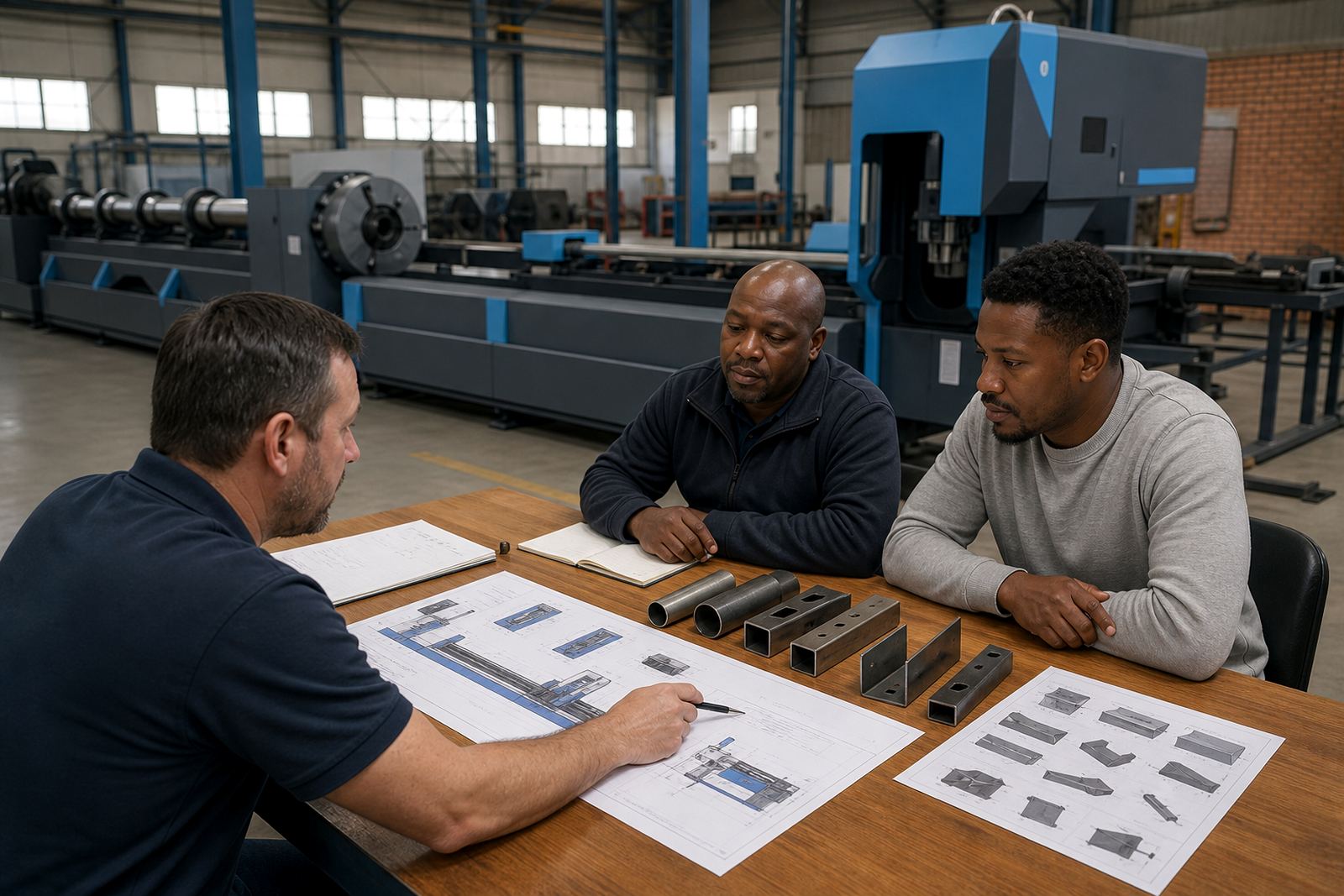
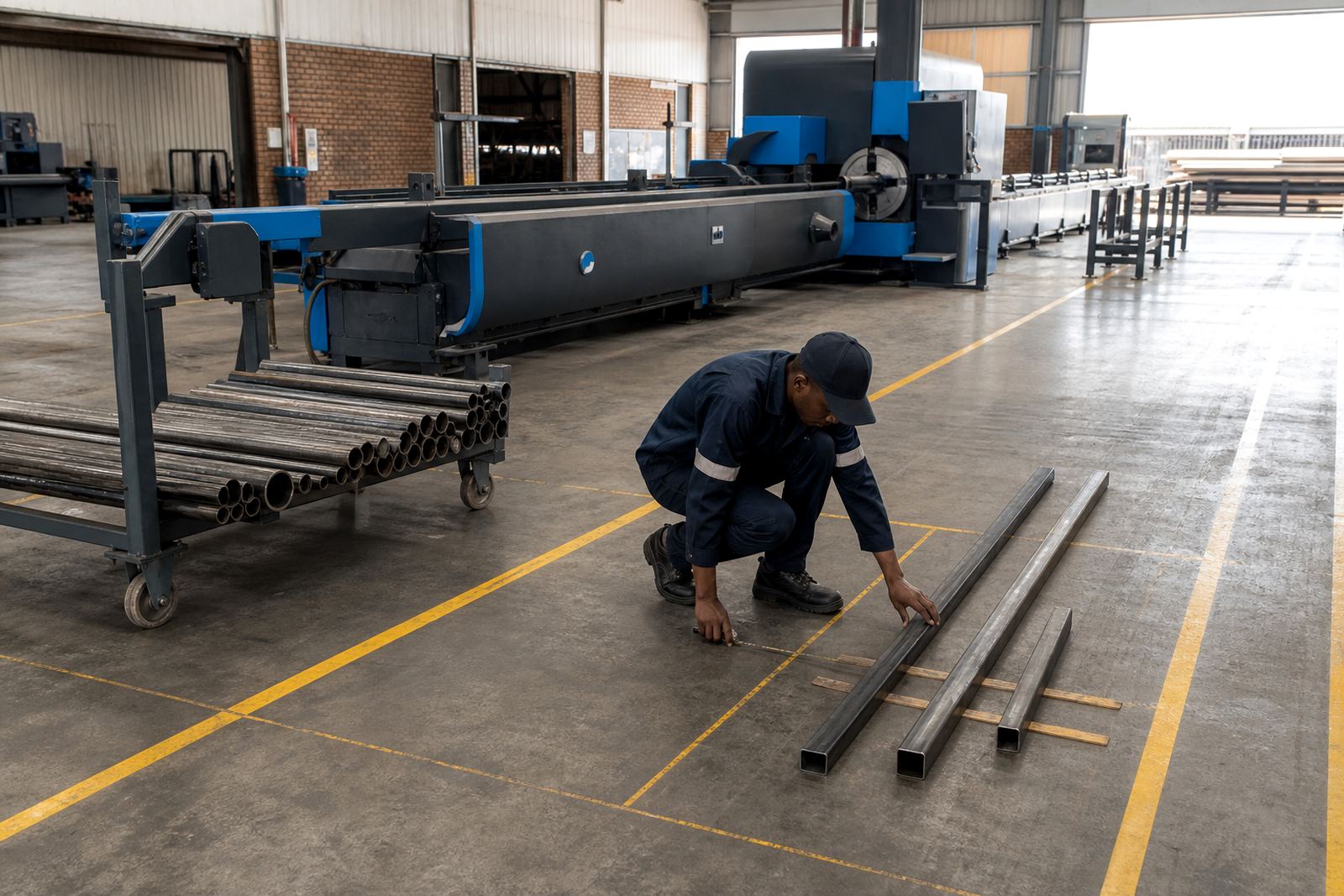
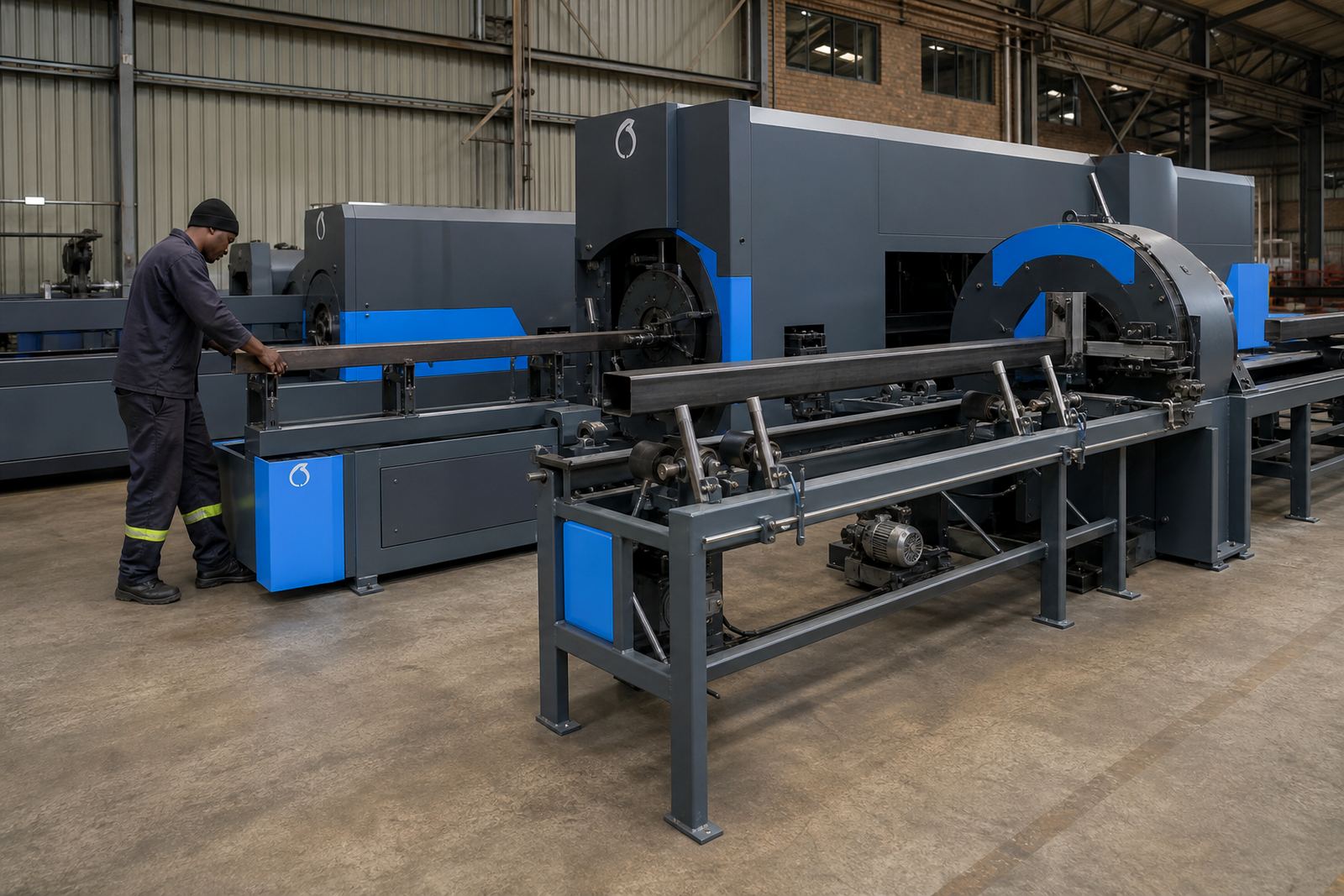
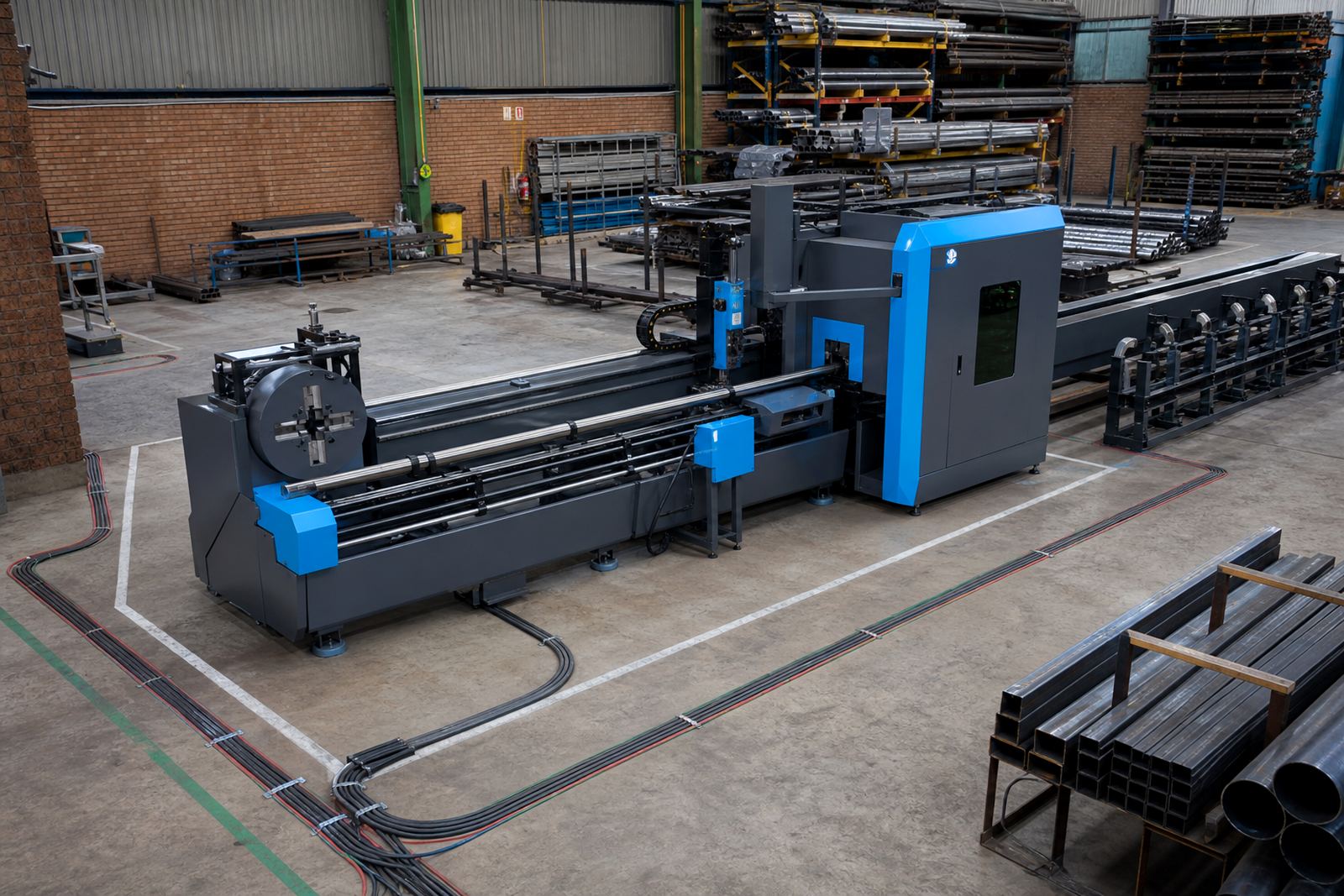
Not every tube machine suits the same production mix. A small job shop in Wadeville may need quick changeovers and simple clamping, while a plant cutting longer runs of round, square and rectangular tube may lean toward higher throughput, automatic loading and tighter control of repeat lengths. The right machine depends on the material mix, profile range and the way parts move through the workshop.
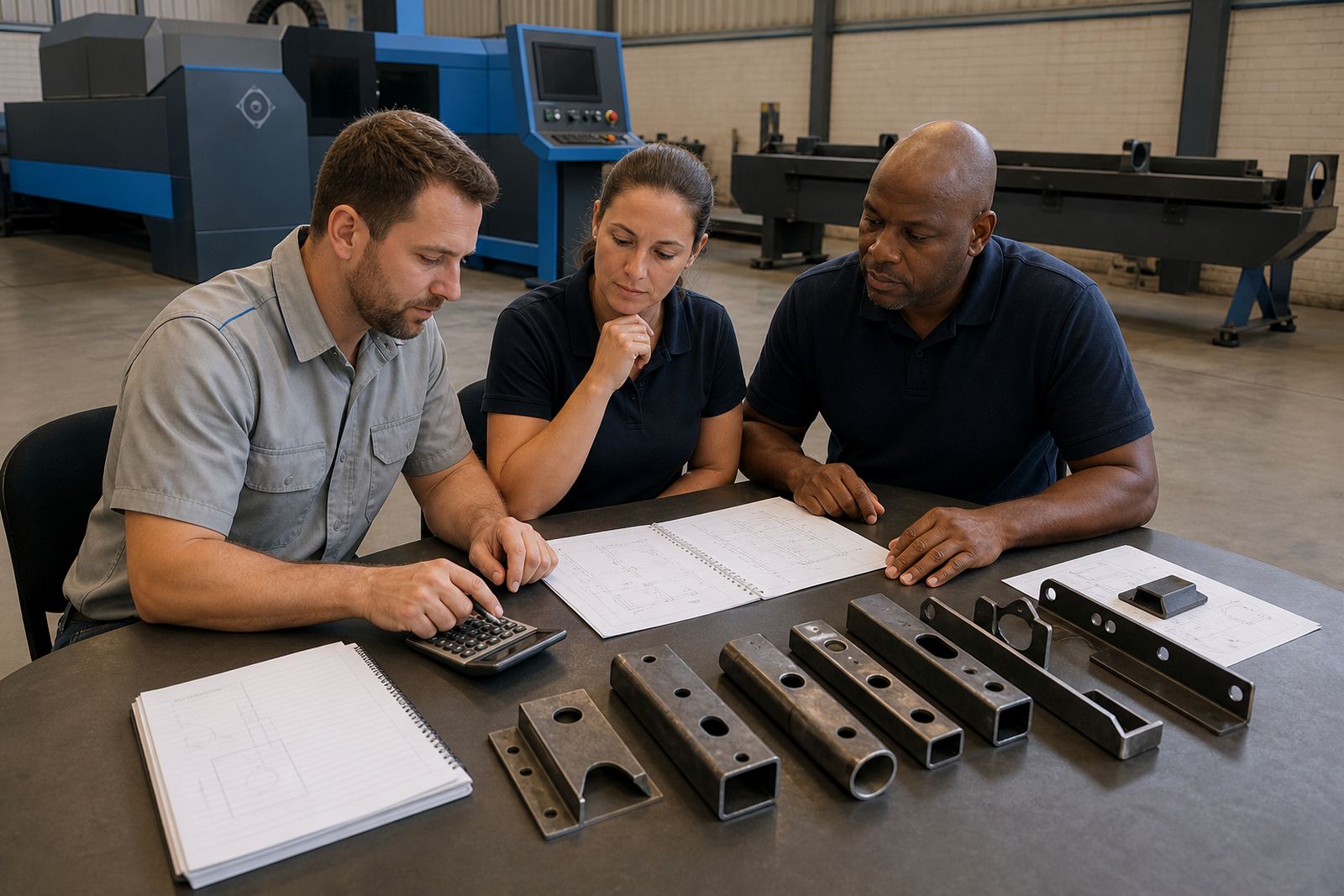
The features that matter most in day to day production are chuck arrangement, cutting length, bevel options, nesting software and the handling of angle, channel and open sections, so let the work shape the choice rather than guesswork.
Tube, Profile and Section Shapes Covered
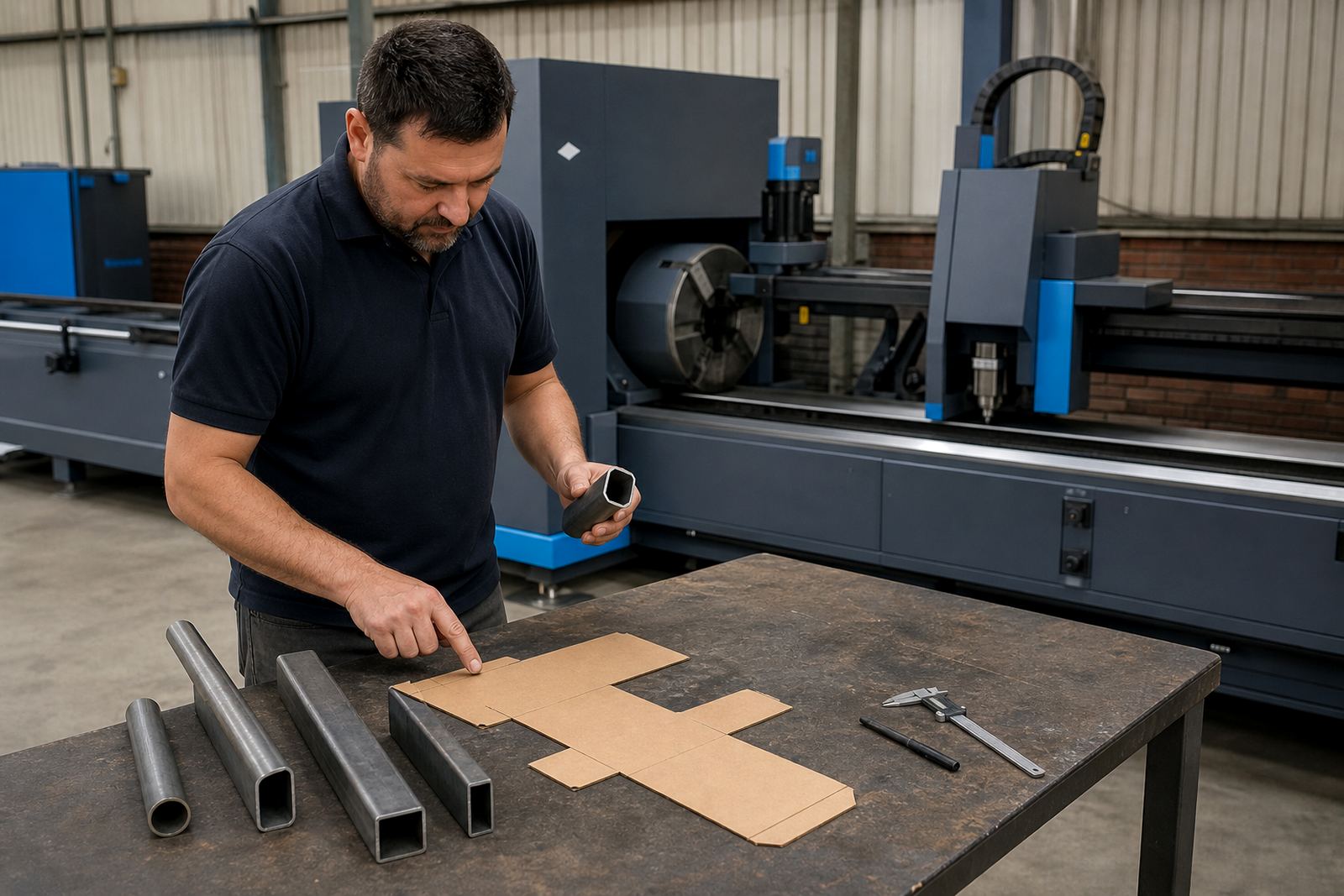
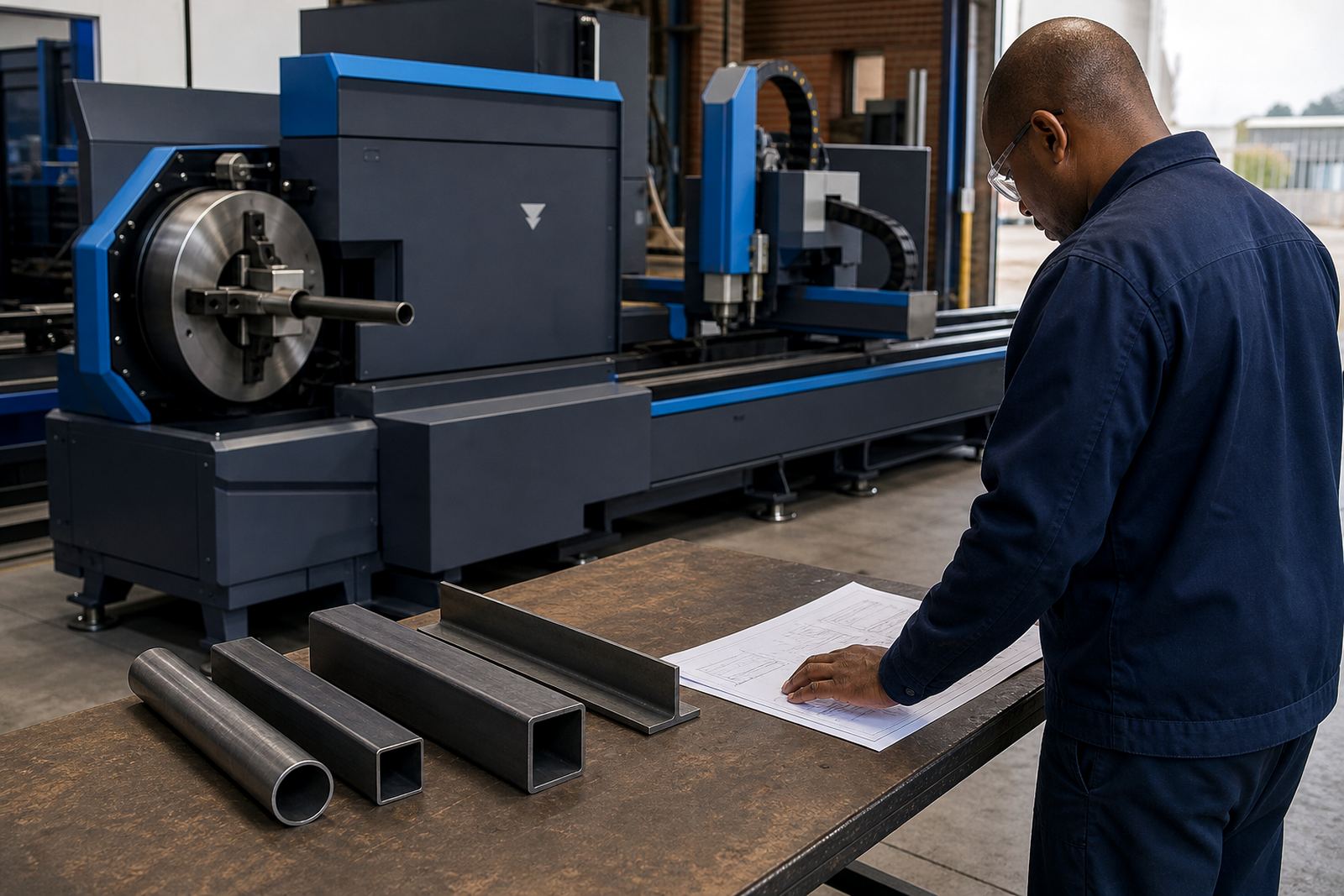
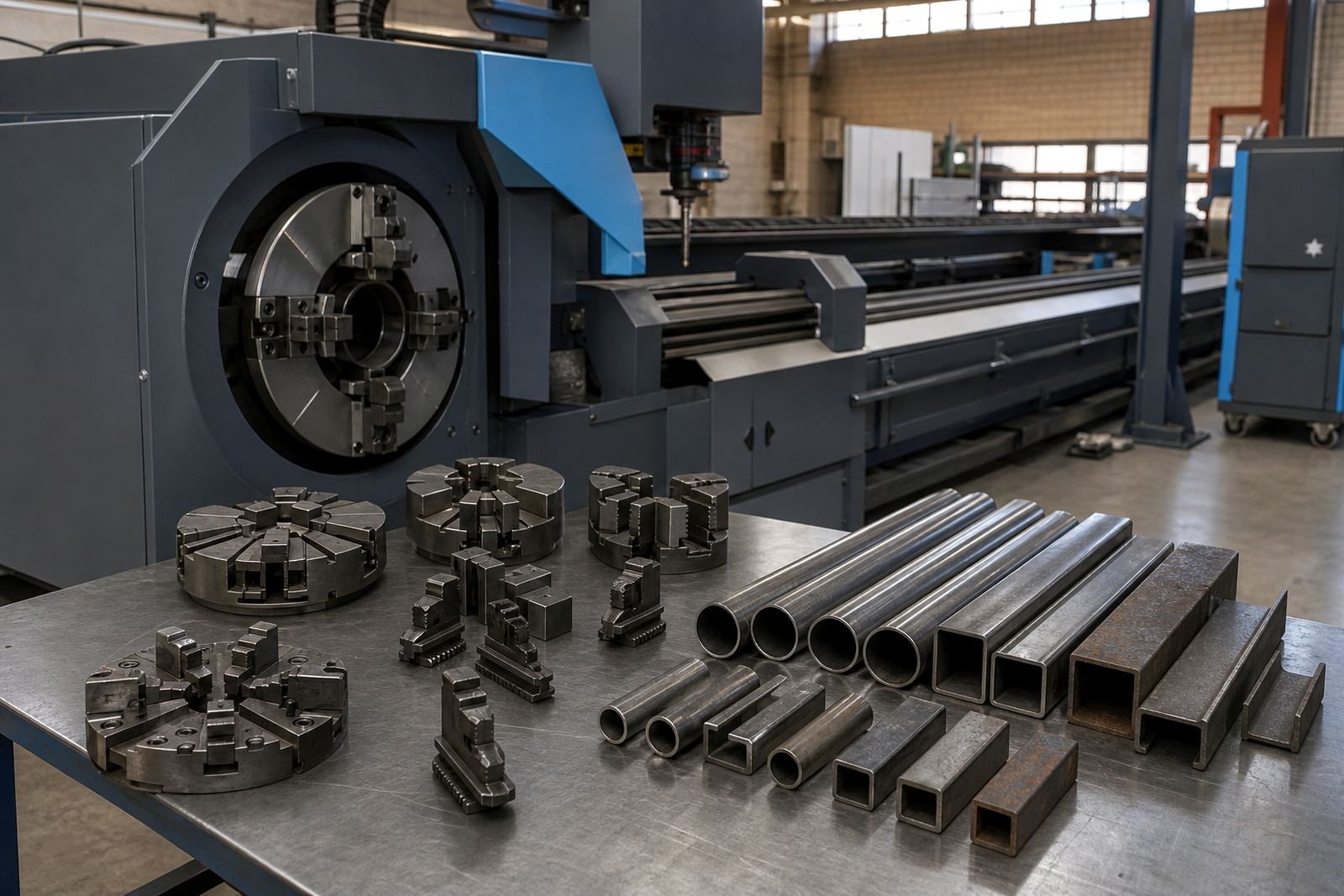
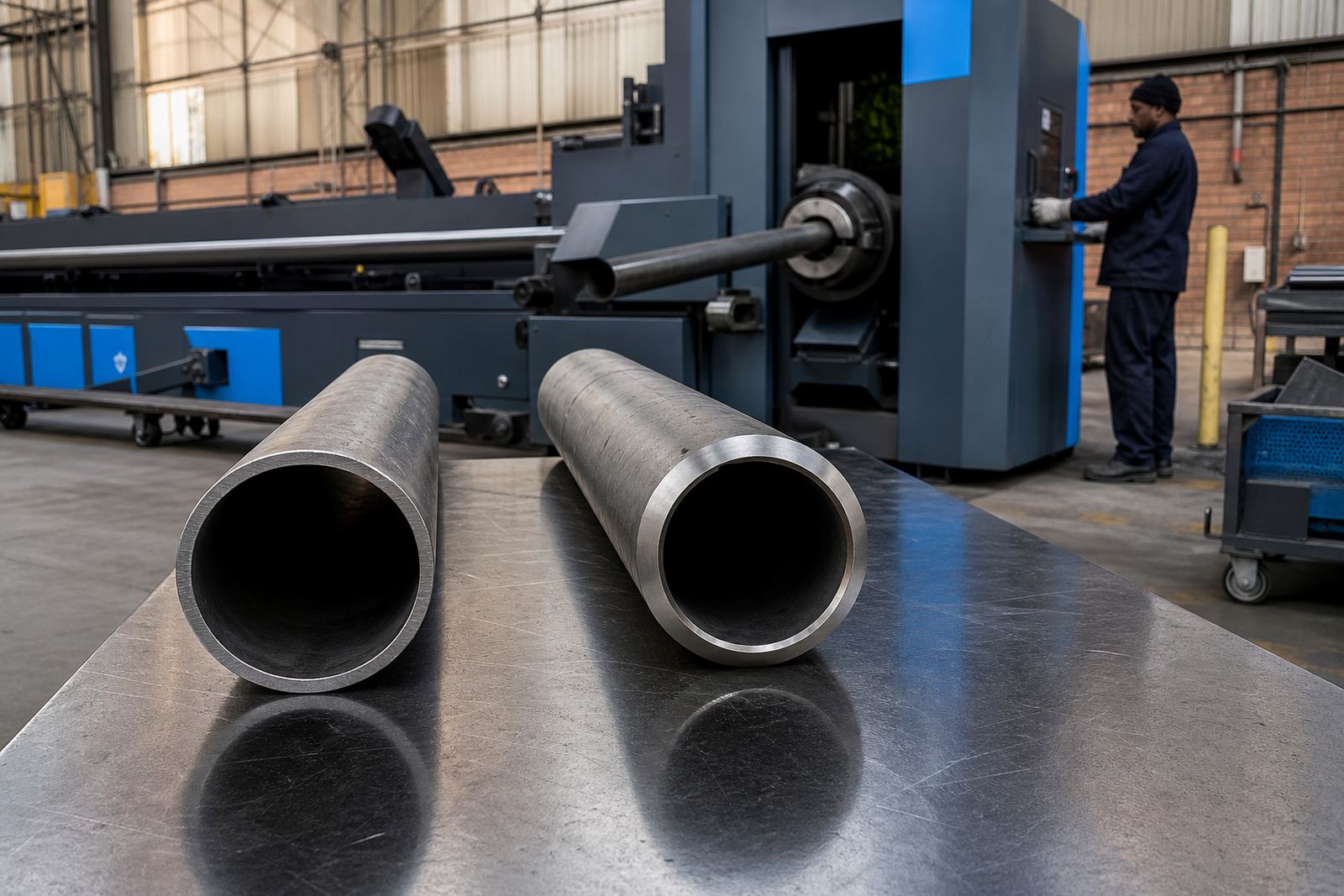
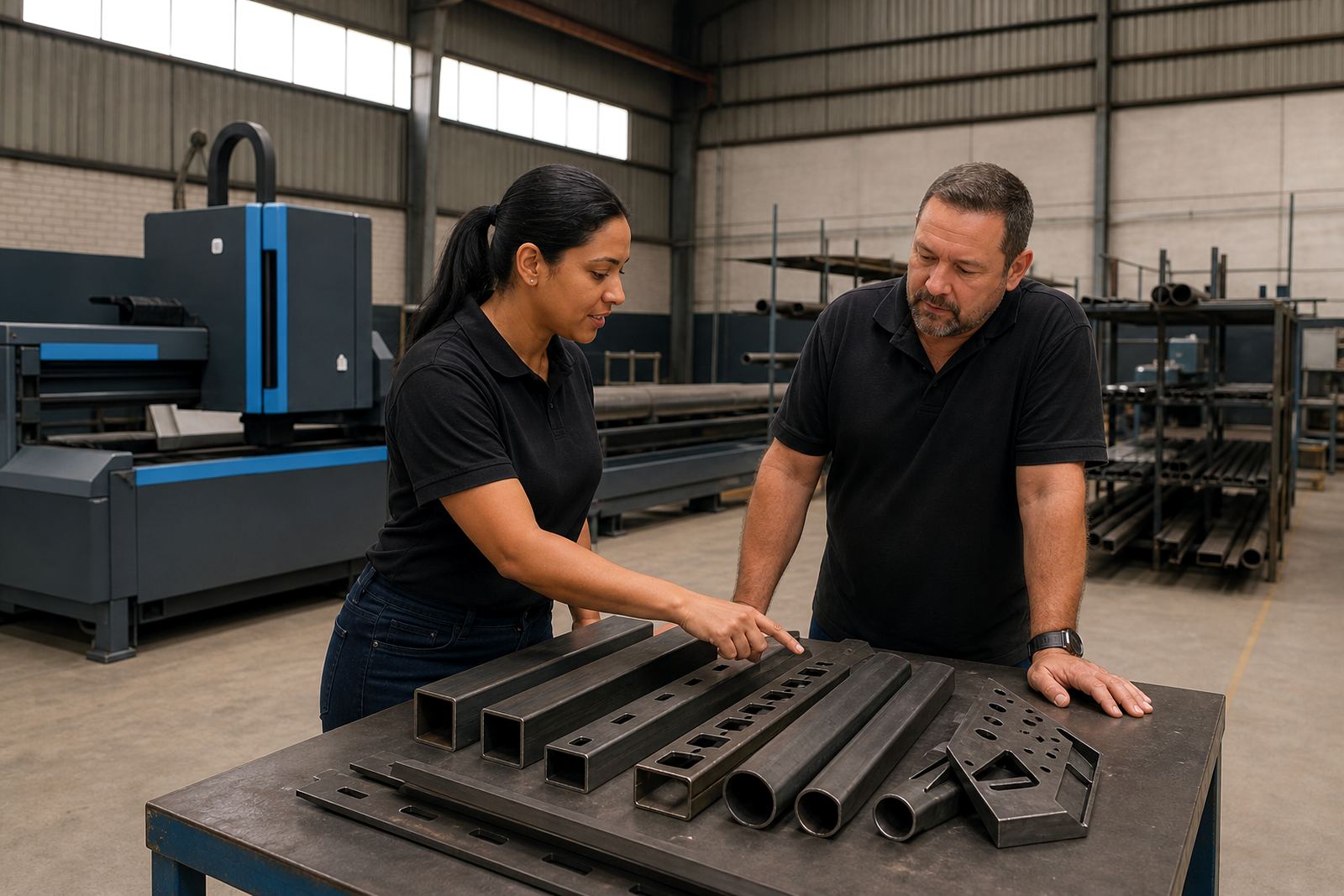
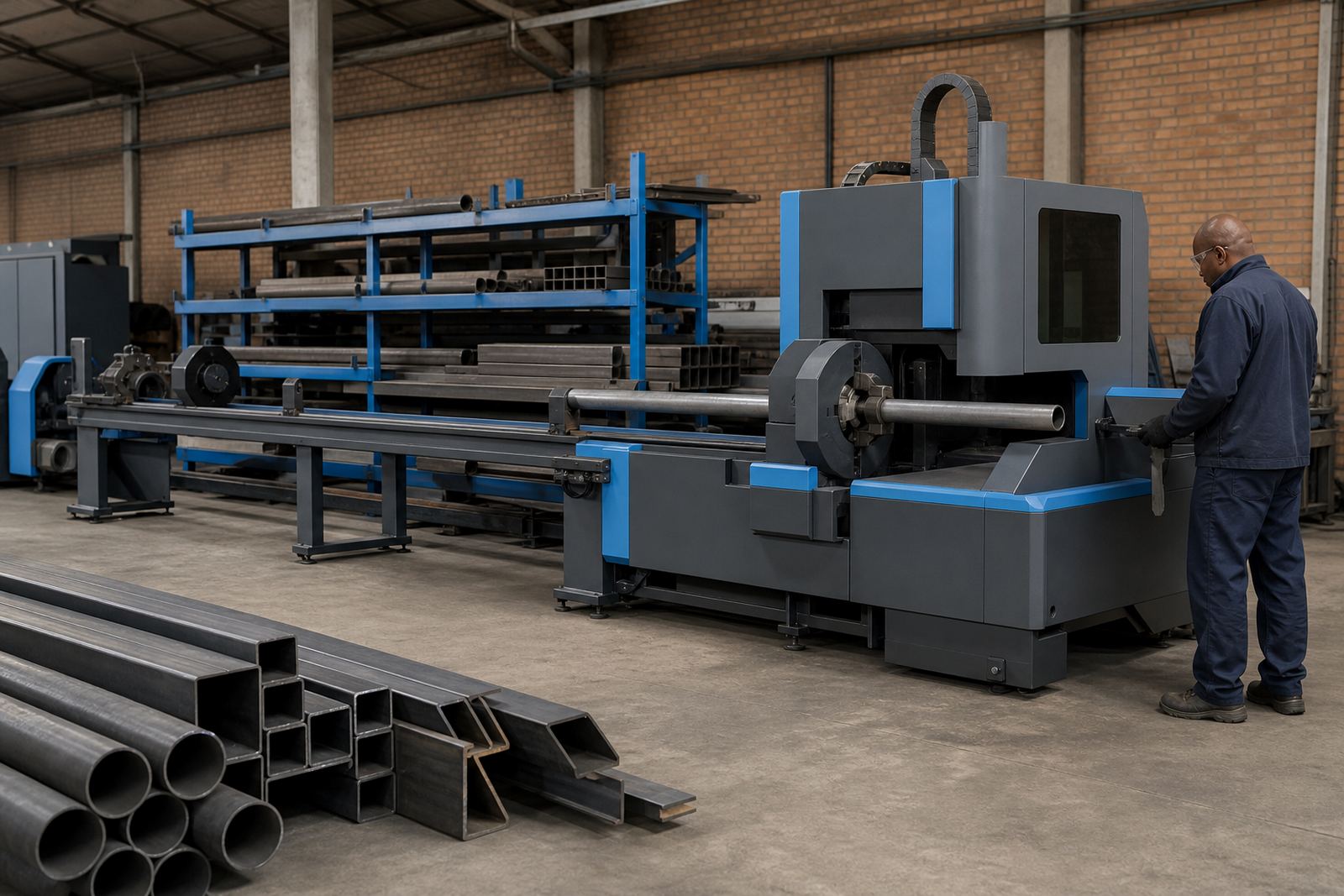
Fibre laser tube cutting is used across a wide mix of shapes. Round tube is common in furniture frames and handrails, square and rectangular tube appear in structural work, while angle and channel show up in brackets, frames and support members. Each section feeds, clamps and cuts through a laser head with stable motion and clean edge control.
- Round tube for rails, frames and support structures
- Square and rectangular tube for fabrication and equipment frames
- Angle and channel for brackets, supports and light structural work
- Open section handling where the machine layout allows it
Chucks, Clamping and the Cuts They Hold
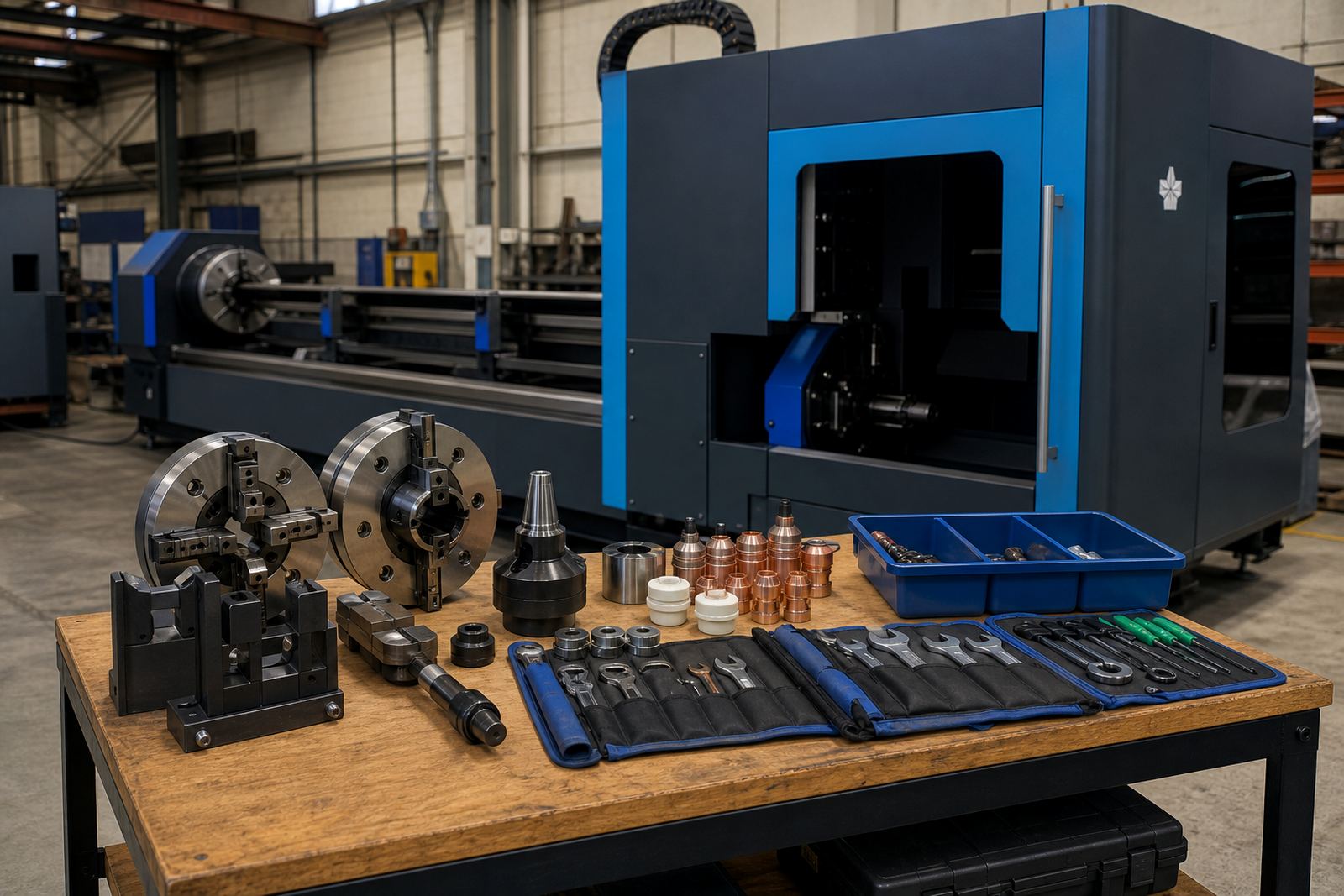
Chuck design affects how securely a tube sits during rotation and cutting. A good setup keeps the section central, limits slip and supports repeatable holes, slots and mitres. For mixed production, the front and rear clamping arrangement affects short remnants, tube length and the speed of loading between jobs. In some shops the difference is not flashy, just practical and very real.
Manual and automated alignment differ too, as does the support needed for longer or thinner sections. That matters when wall thickness varies or when the same machine must handle light tube one shift and heavier profile work the next.
Bevel Heads and Edge Prep Choices
Where joint preparation matters, a bevel head can save separate grinding or milling steps. Angle control shapes weld prep, fit-up and part consistency. That is useful on fabrication jobs where cut edges need to meet cleanly, and not every component is a straight 90 degree joint.
- Single bevel and multi angle cutting for weld preparation
- Edge quality for parts that move straight to fabrication
- Calibration points that influence part fit and repeatability
- When bevel work is useful and when it adds unnecessary complexity
Software, Nesting and Material Use
Nesting software shapes how parts are arranged on tube lengths and profiles before cutting starts. Good layouts reduce offcuts, manage lead-in positions and keep the cut sequence sensible for the material on hand. That is helpful where scrap value, tube stock and job mix all matter to the bottom line.
Part importing, basic drawing checks and the way operators follow nesting plans on the machine all matter as well. A tidy layout can save time, but it still needs a person who understands the drawing and the job spec.
Installation, Safety and the Work After the Purchase
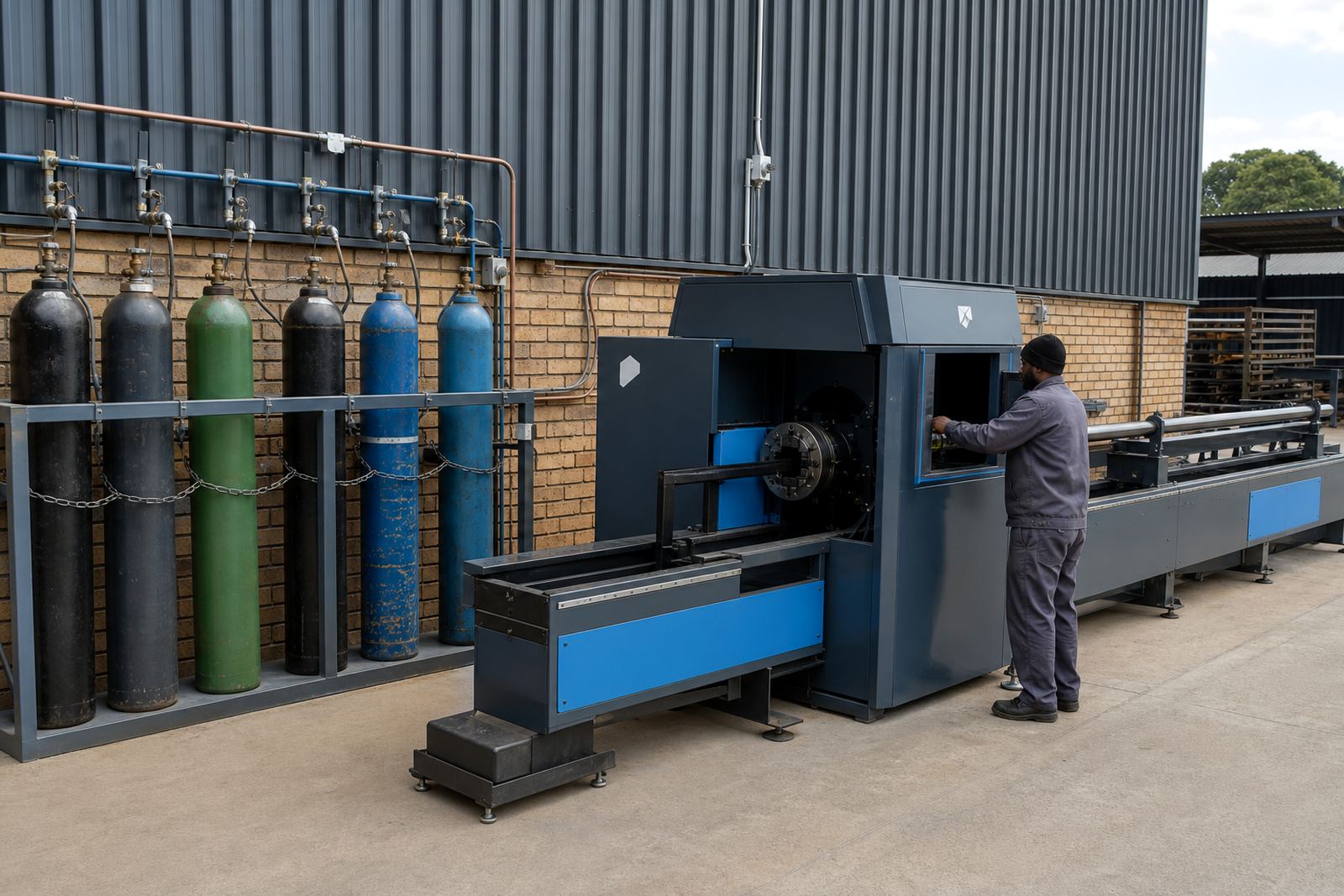
Ownership does not end with delivery. Plan site assessment, rigging, machine installation, commissioning, operator training, nesting training and preventive maintenance so buyers can plan the full setup around the workshop floor. Assist gas setup, chuck alignment, bevel calibration and remote diagnostics are also part of normal service planning for many South African fabricators.
Safety receives proper attention too, because laser cutting brings high energy, moving parts and gas handling into one work area. Check guarding, access control, extraction, eye protection and housekeeping around the cutting cell, which should be checked against the real room layout and the crew that uses it.