Tube and profile cutting that fits South African fabrication work
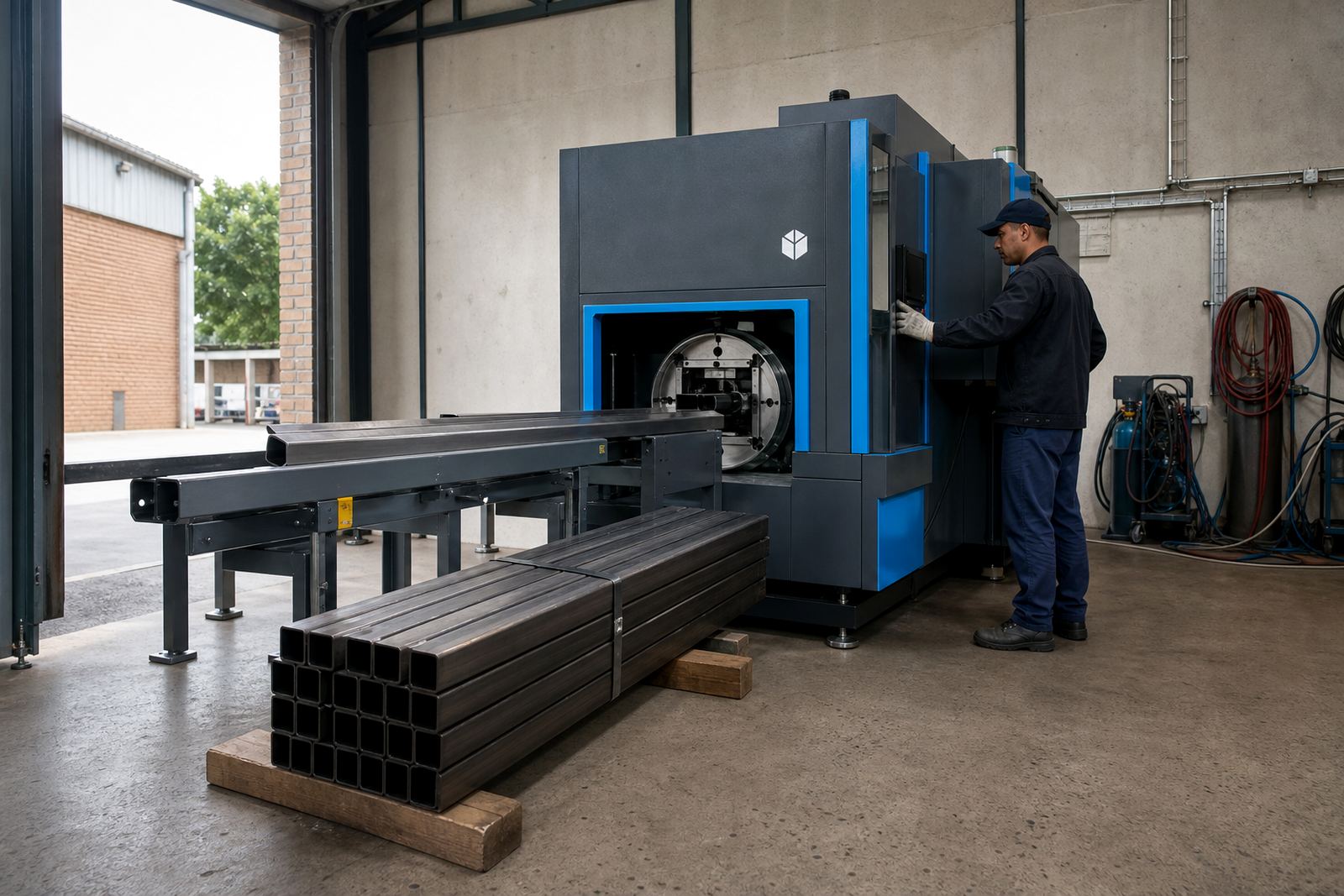
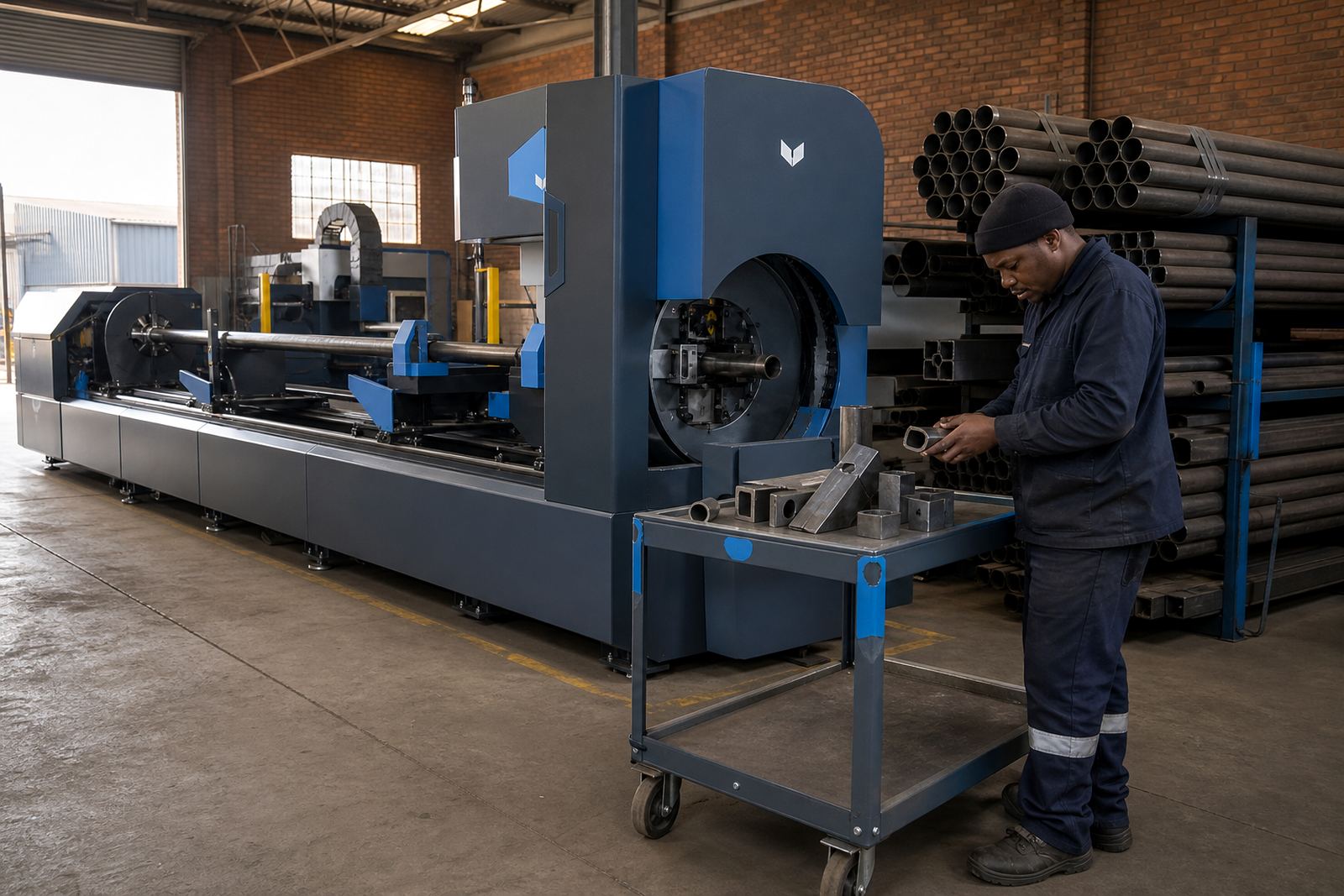
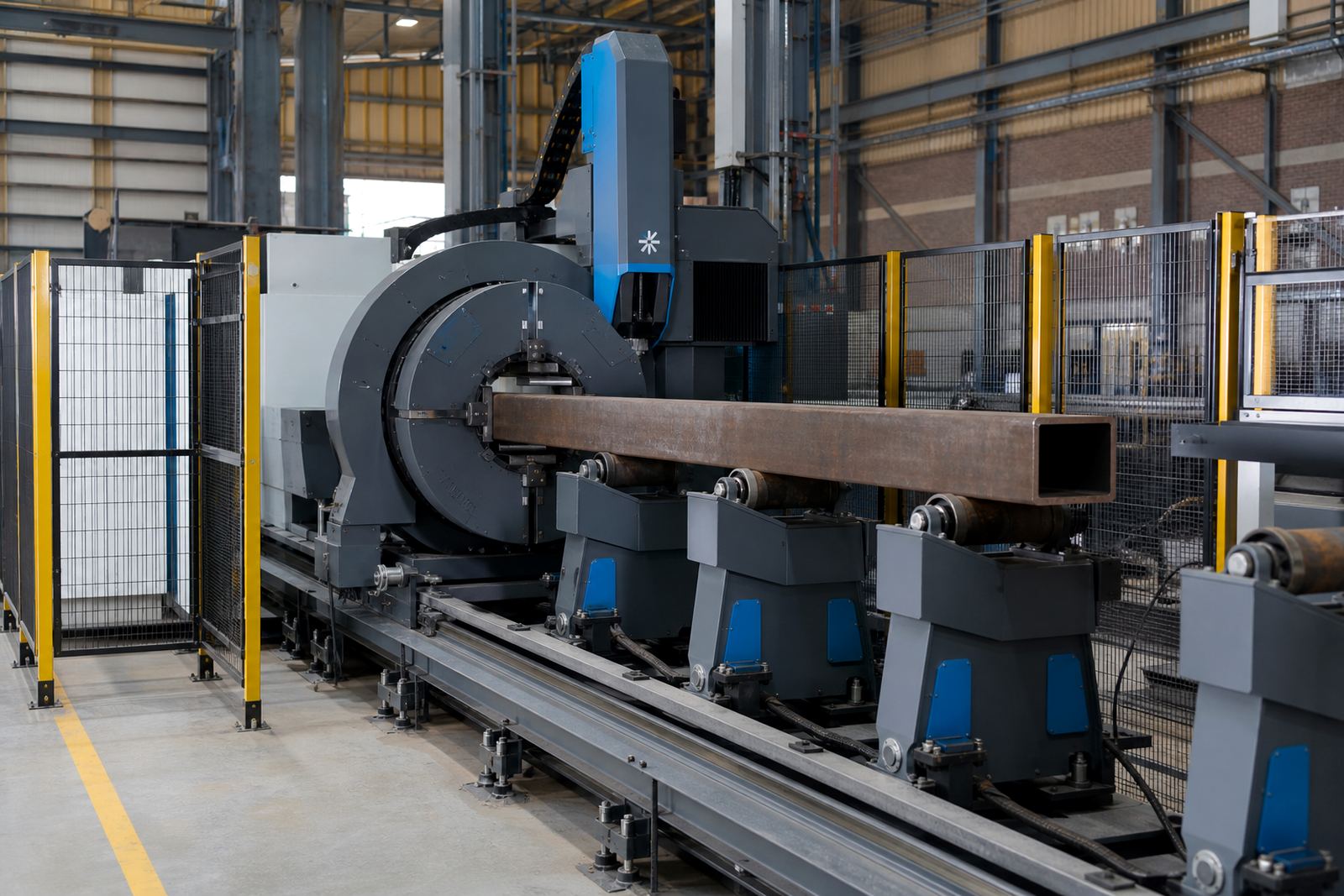
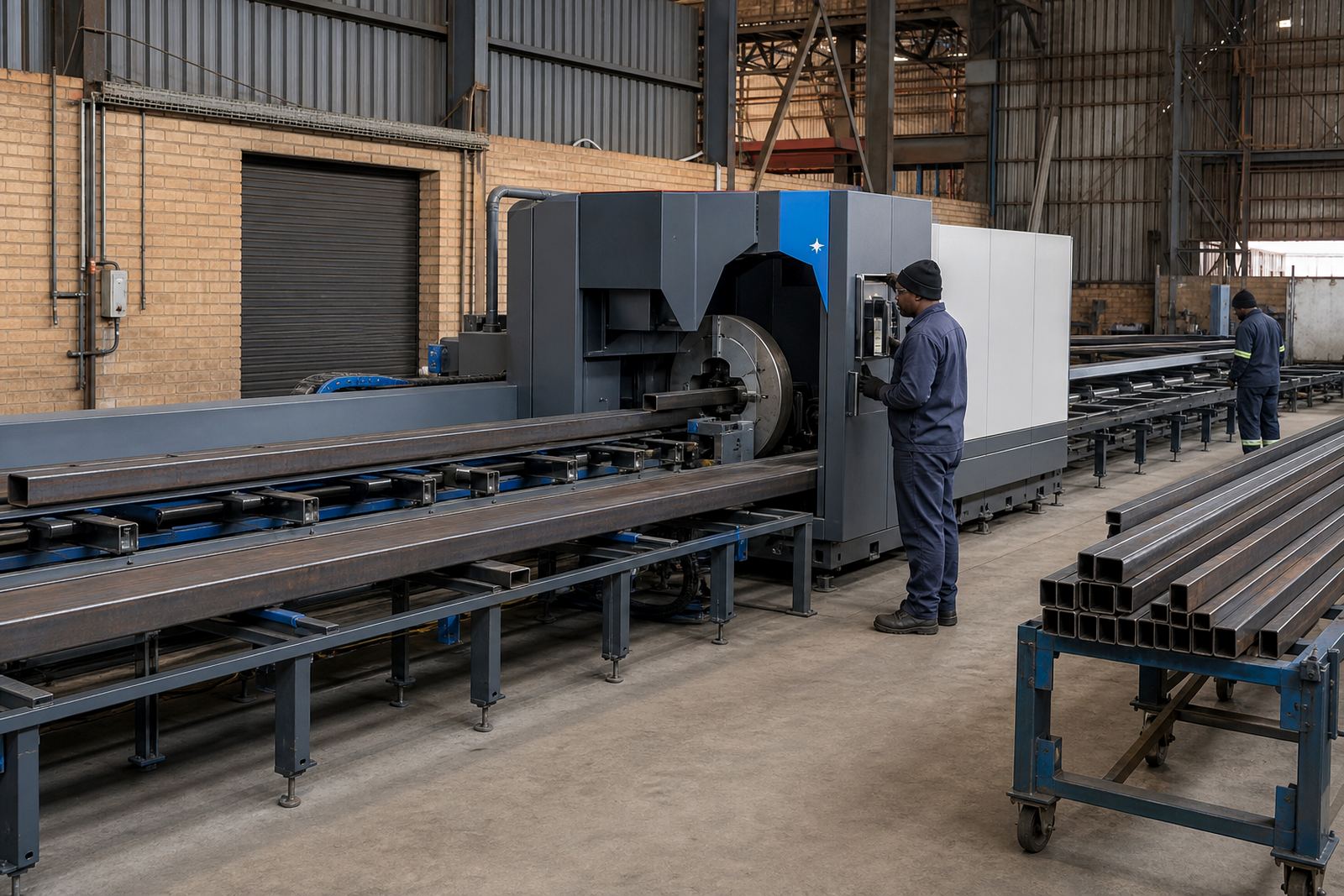
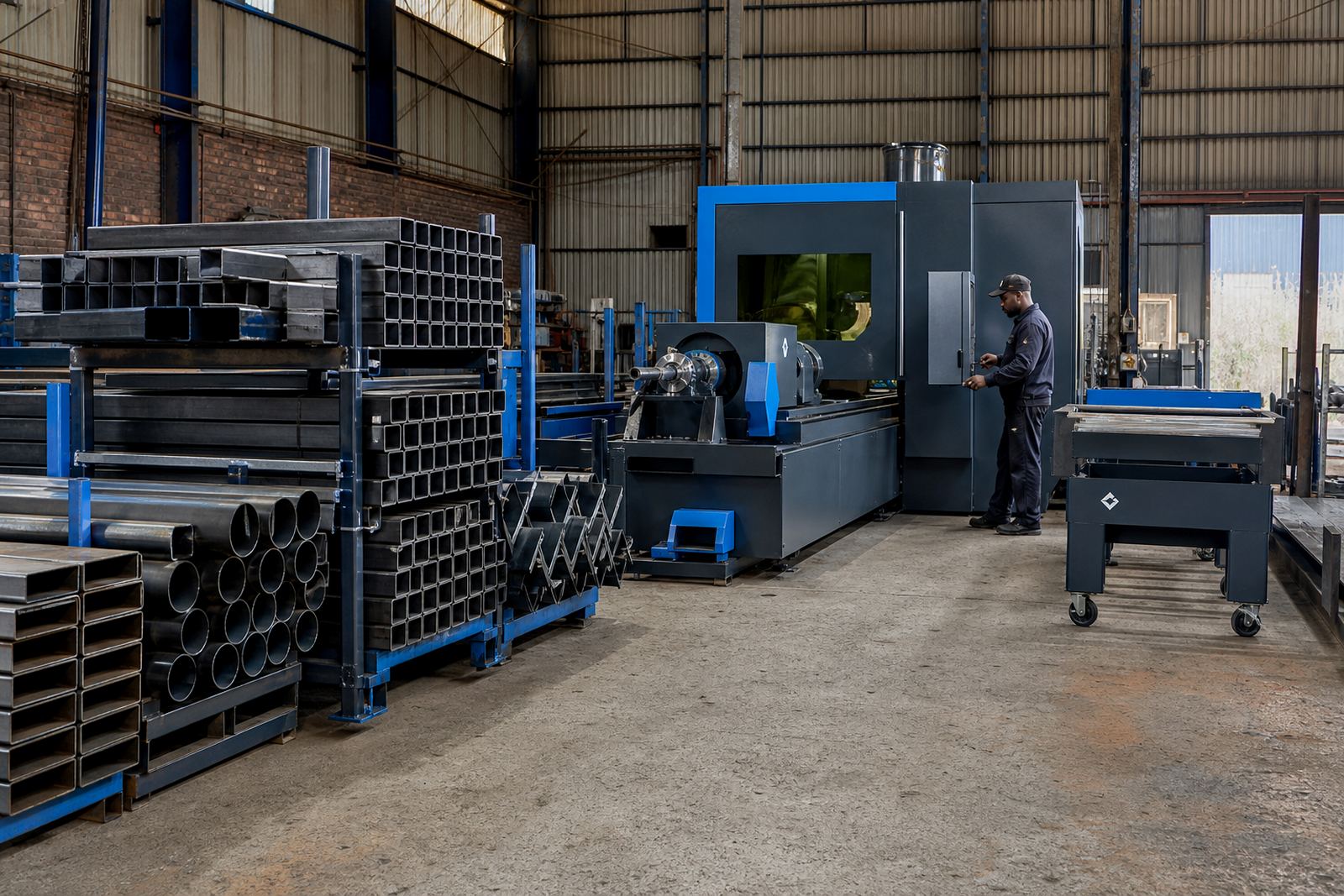
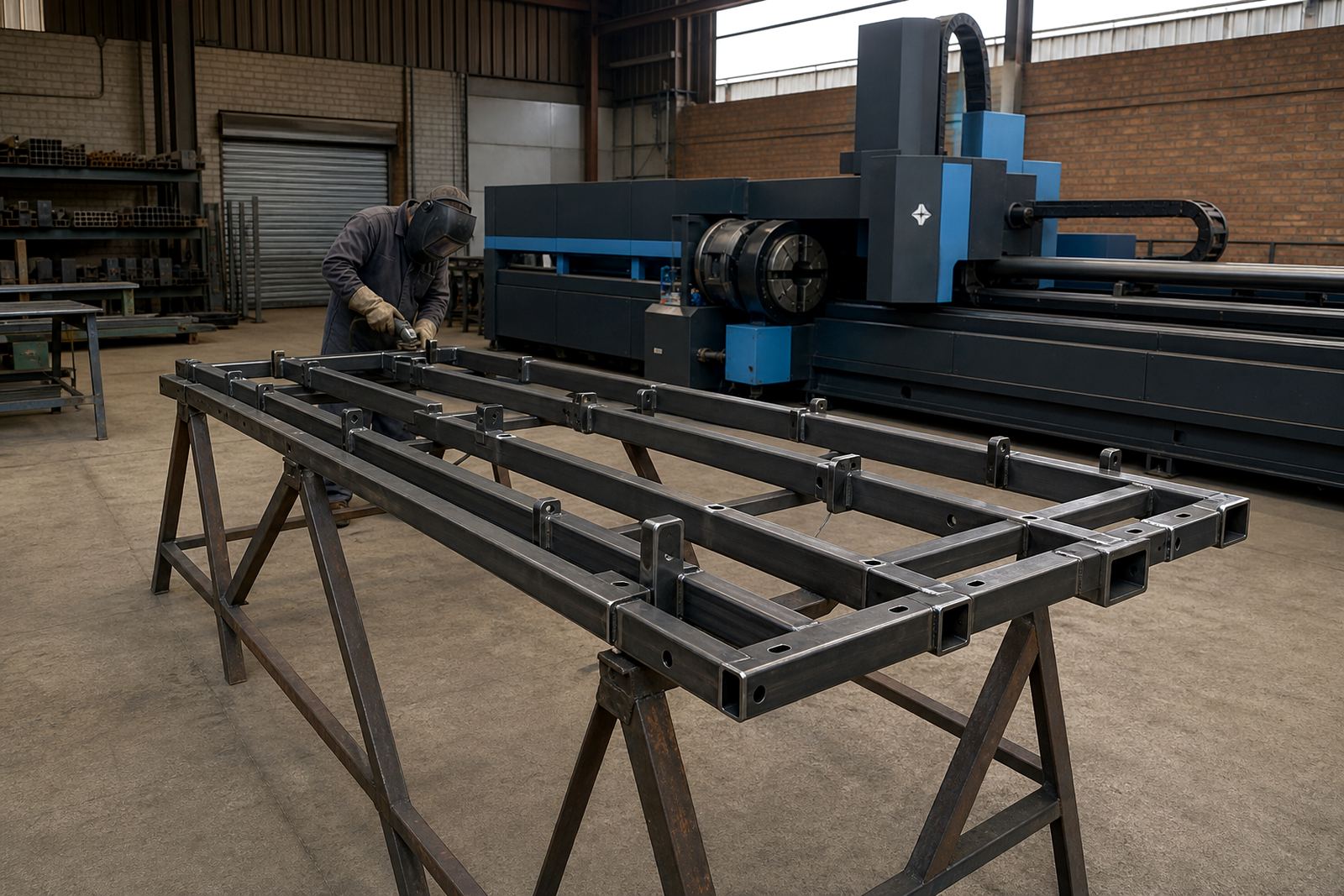
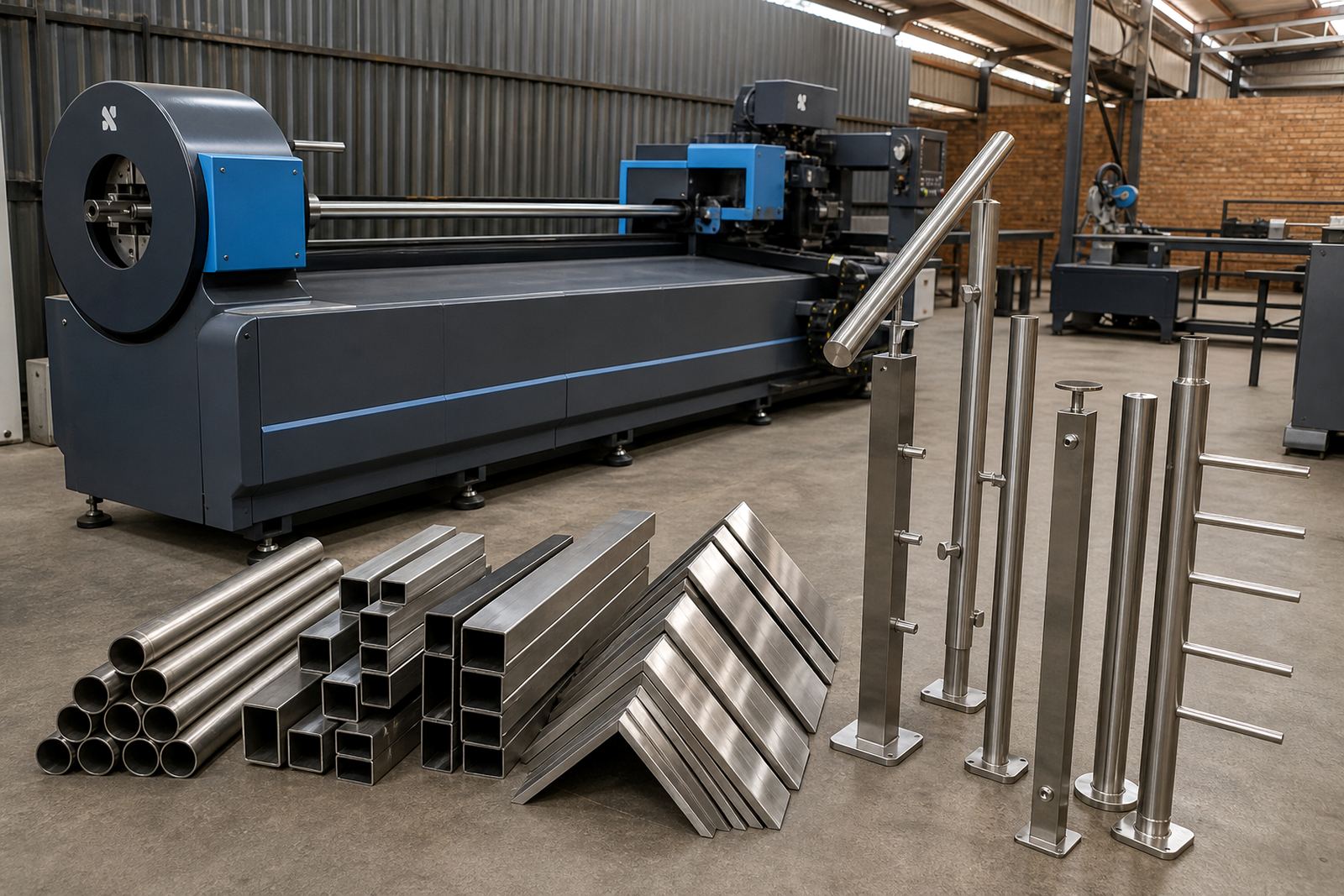
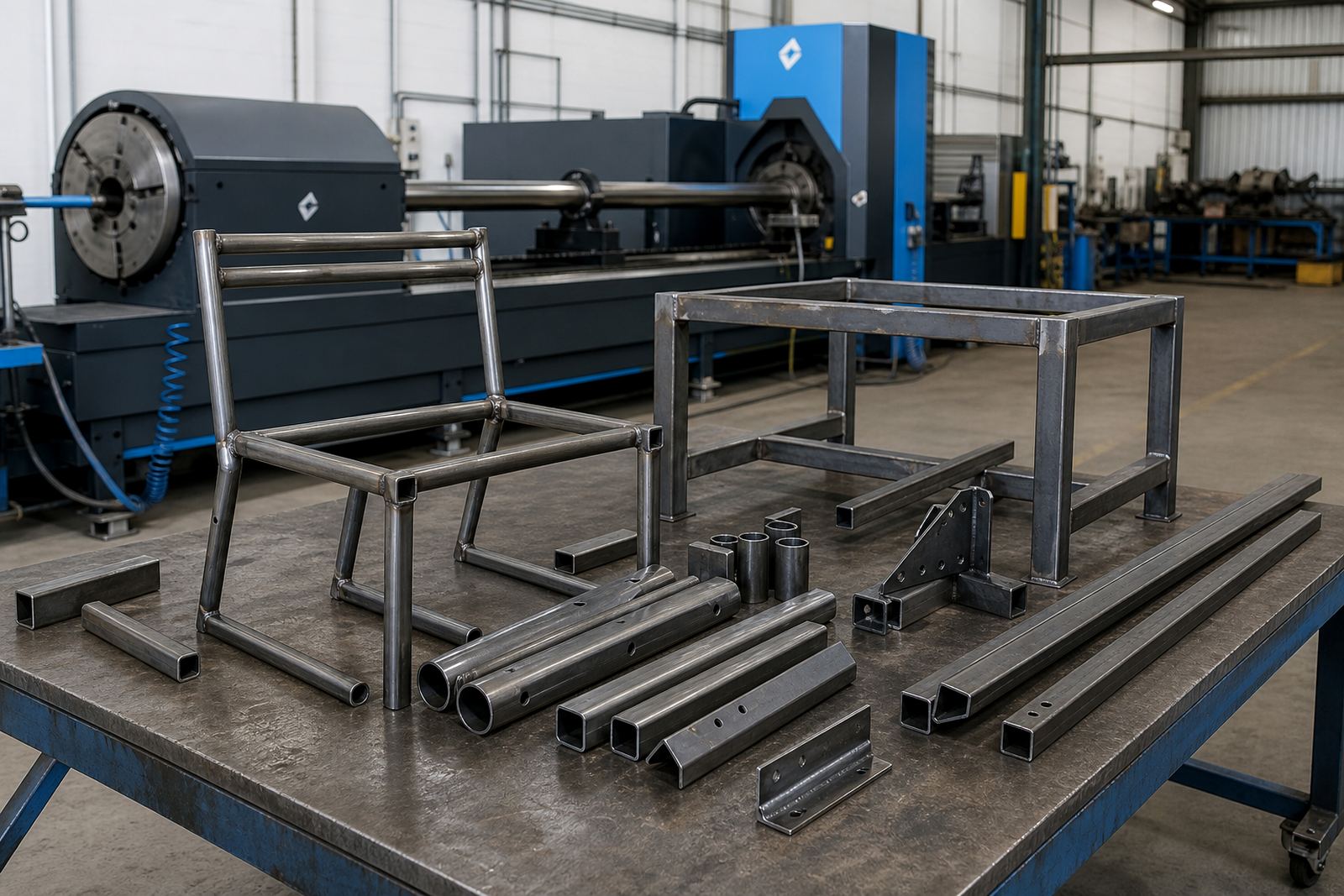
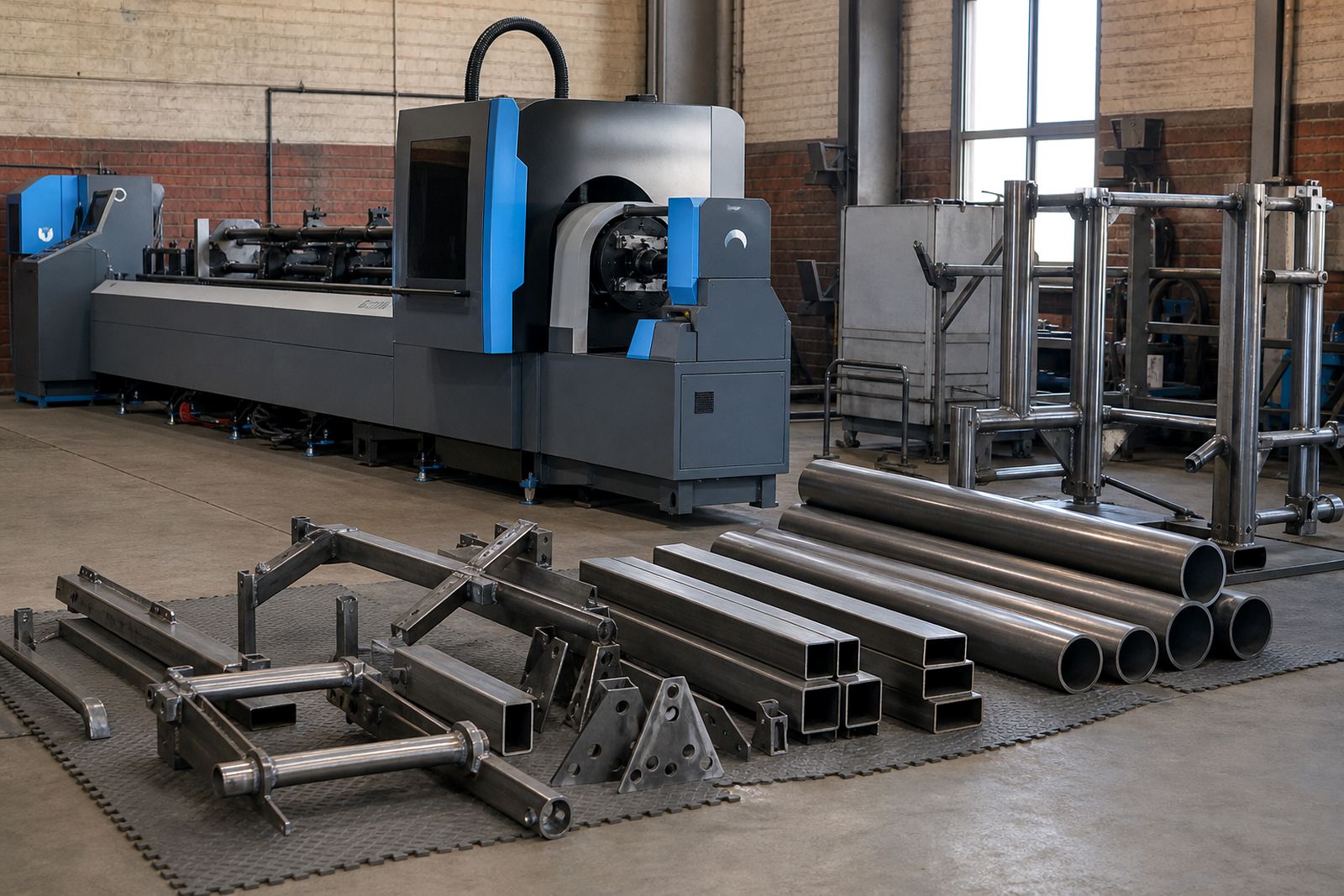
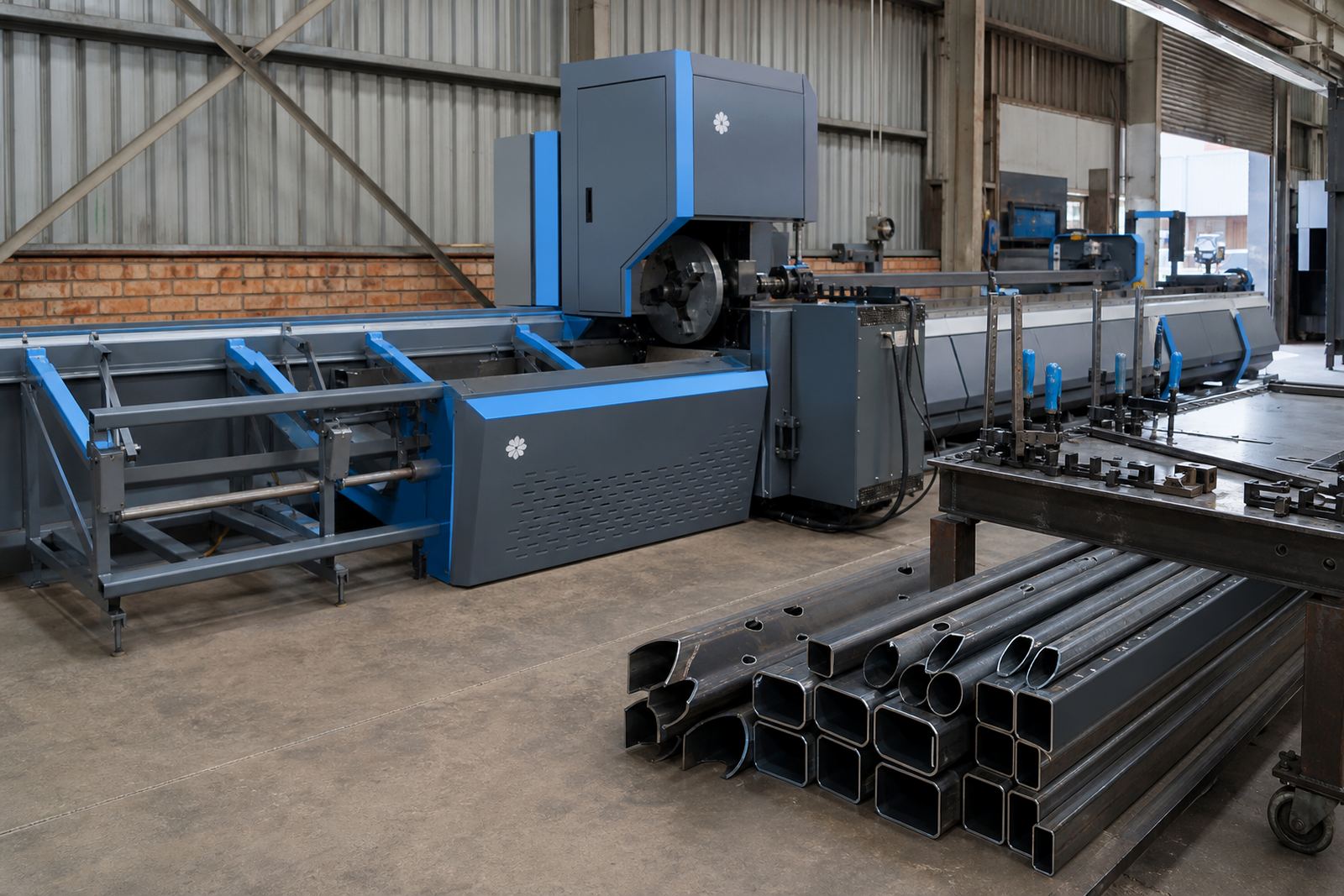
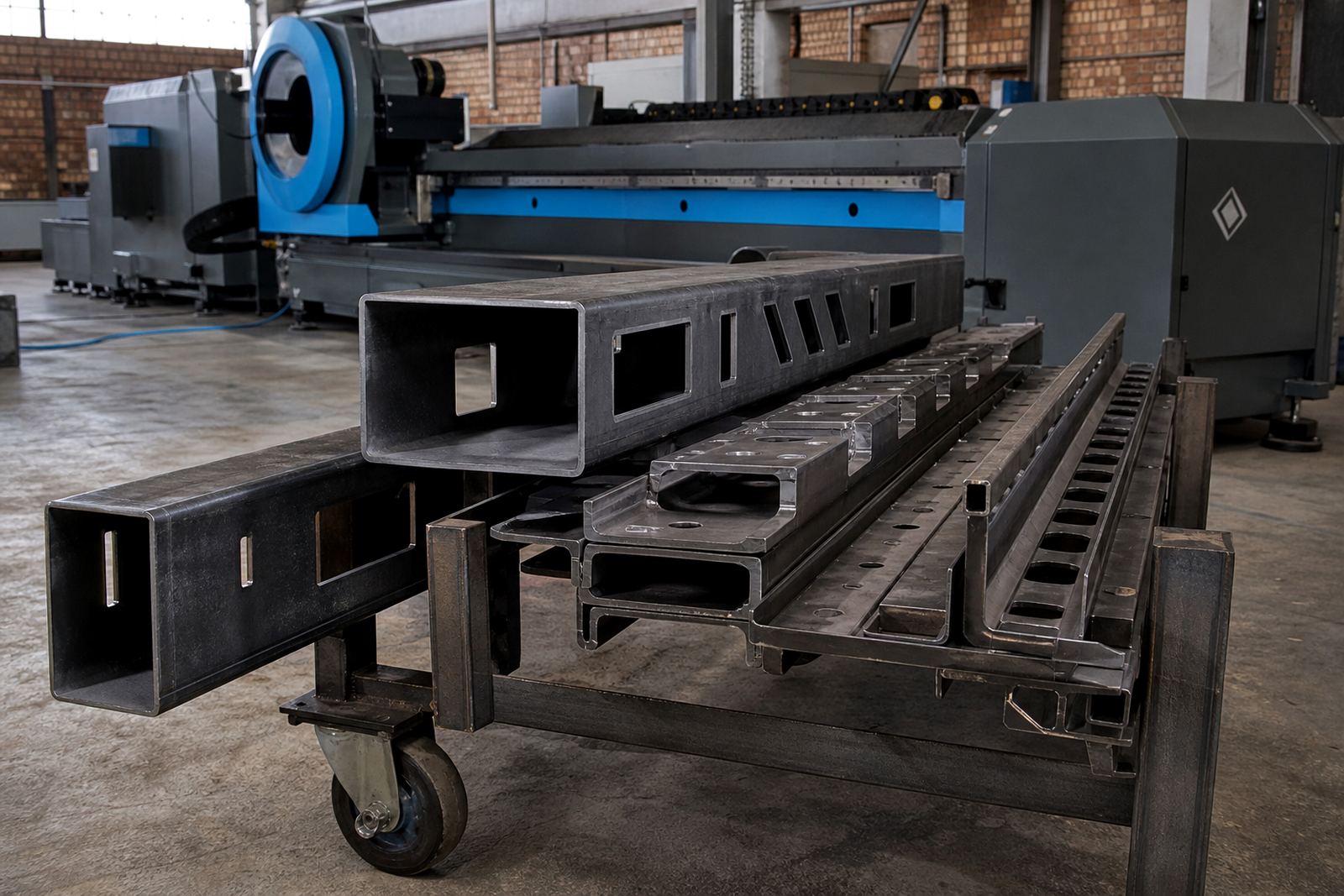
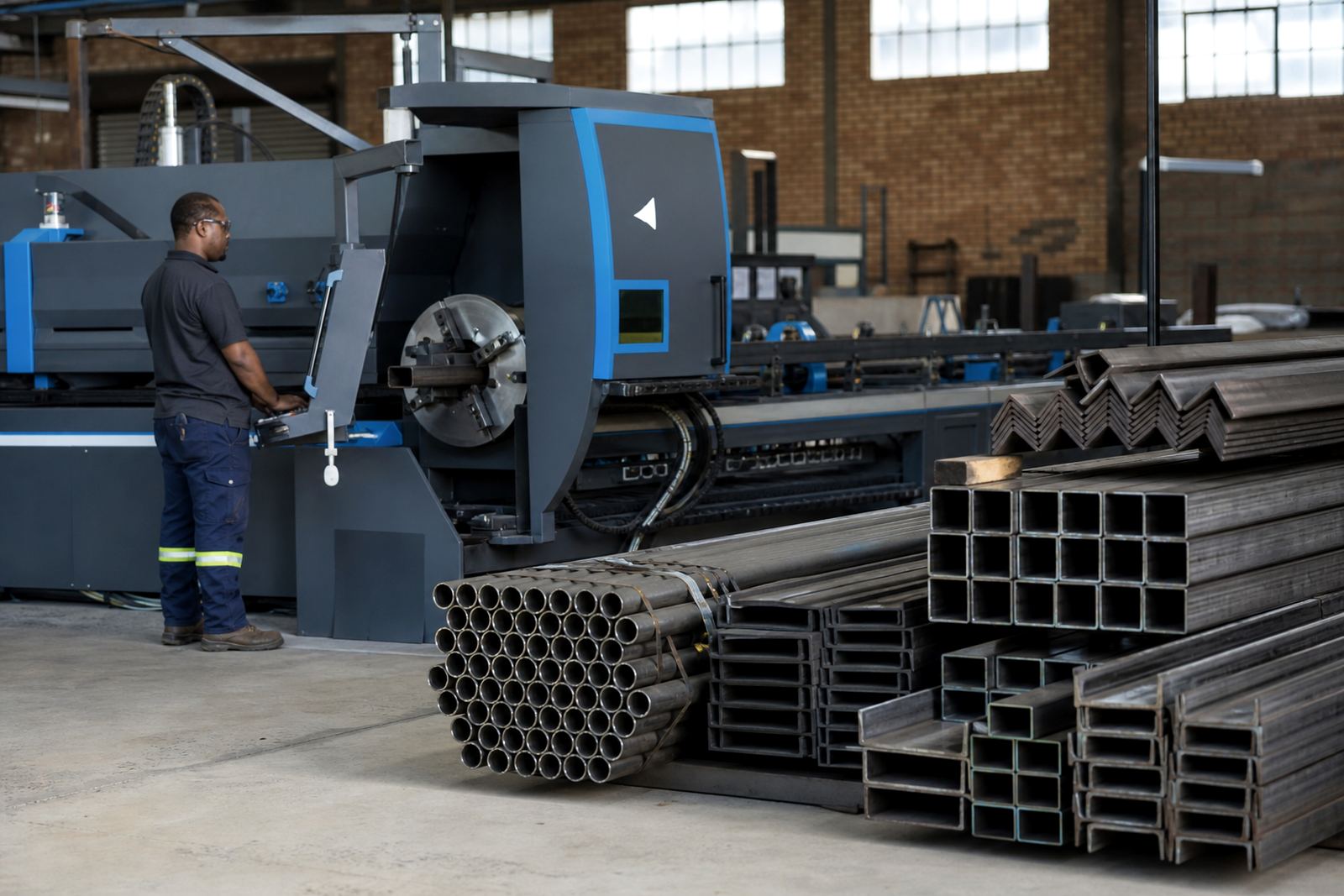
LaserTube supplies fibre laser tube and profile cutting machines for round, square and rectangular tube, plus angle iron and channel. The work ranges from light fabrication and furniture frames to structural parts, trailer components, racking, agricultural equipment and general steelwork. Machines are selected for the cut sizes, wall thicknesses and output levels that matter on a real shop floor.
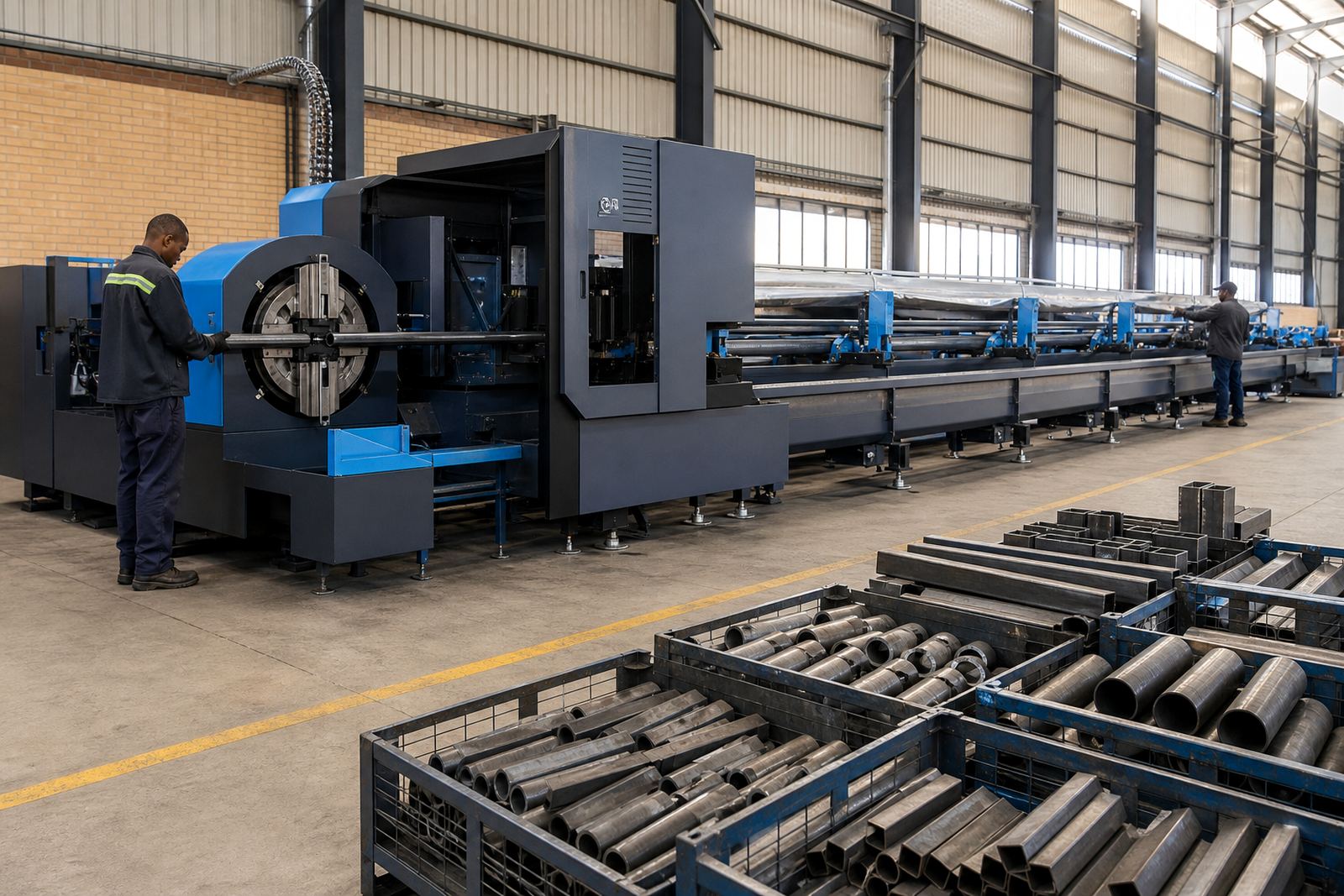
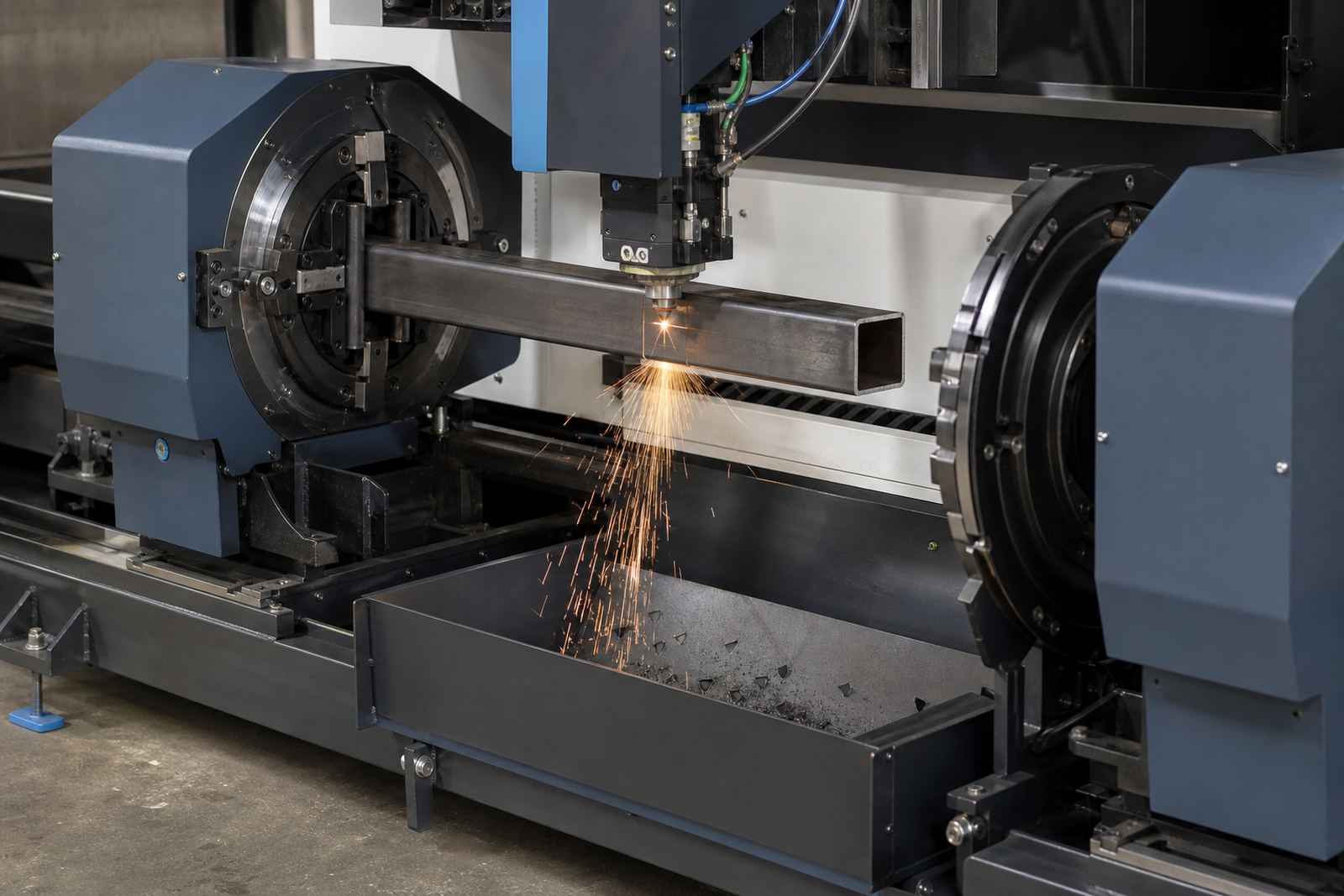
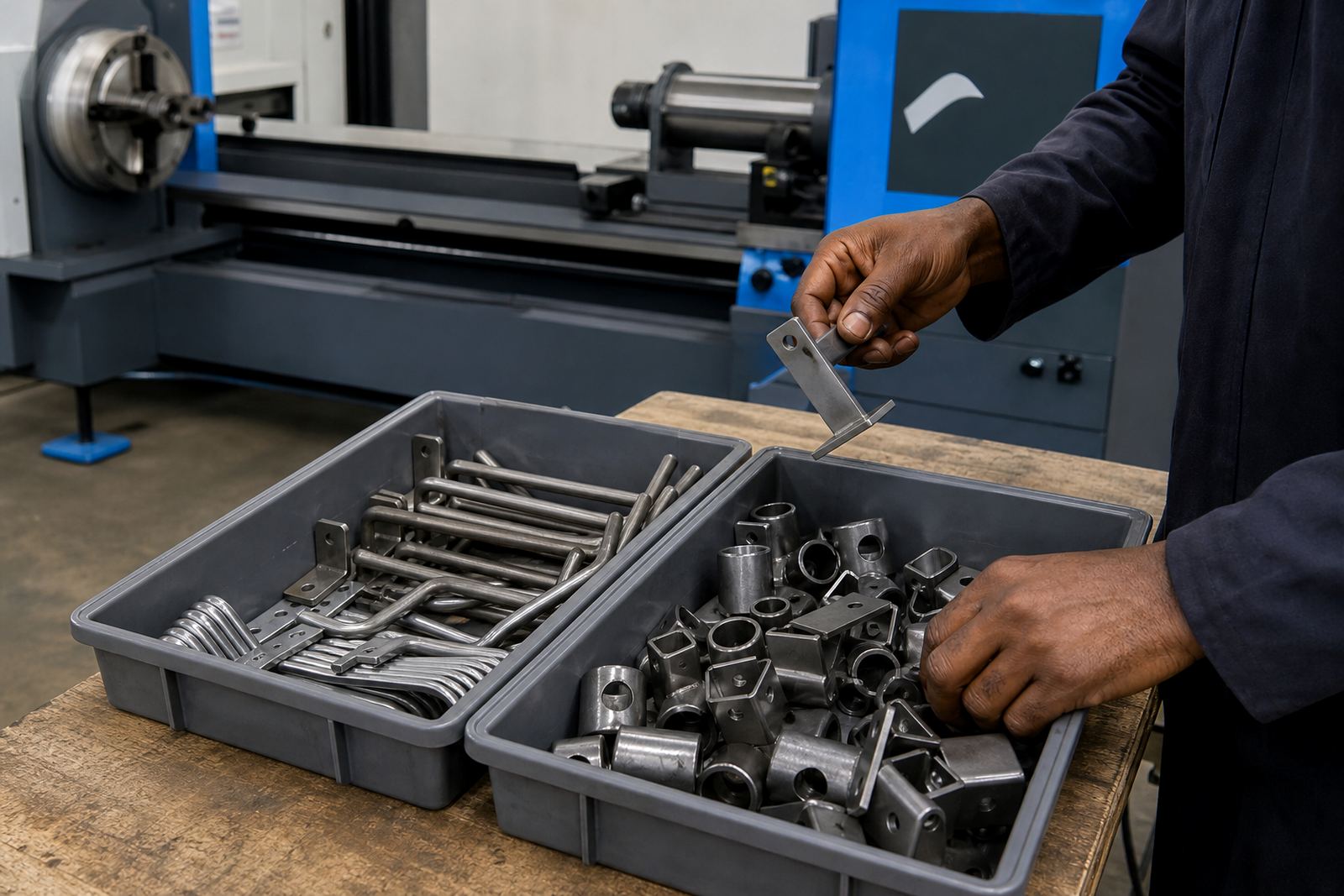
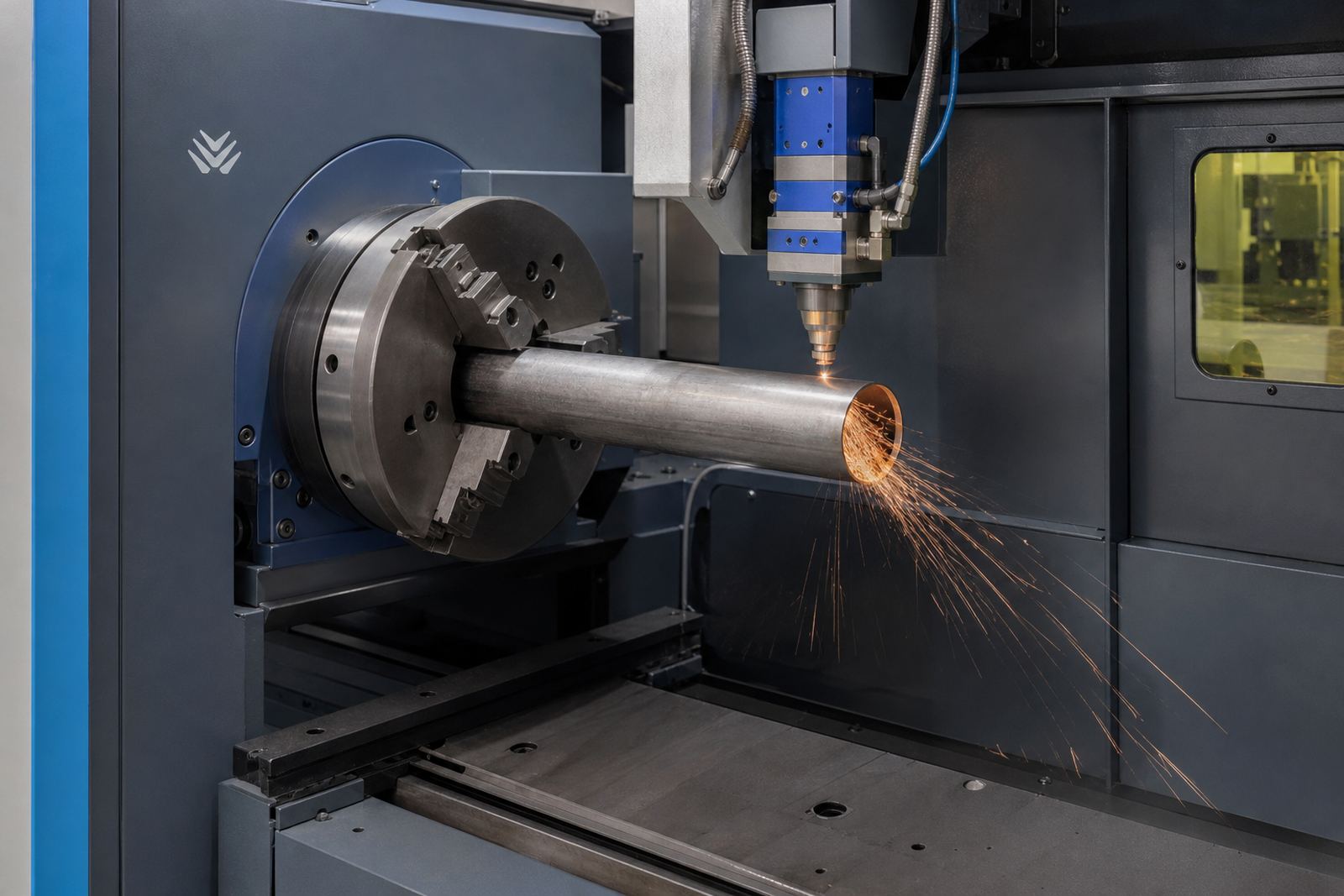
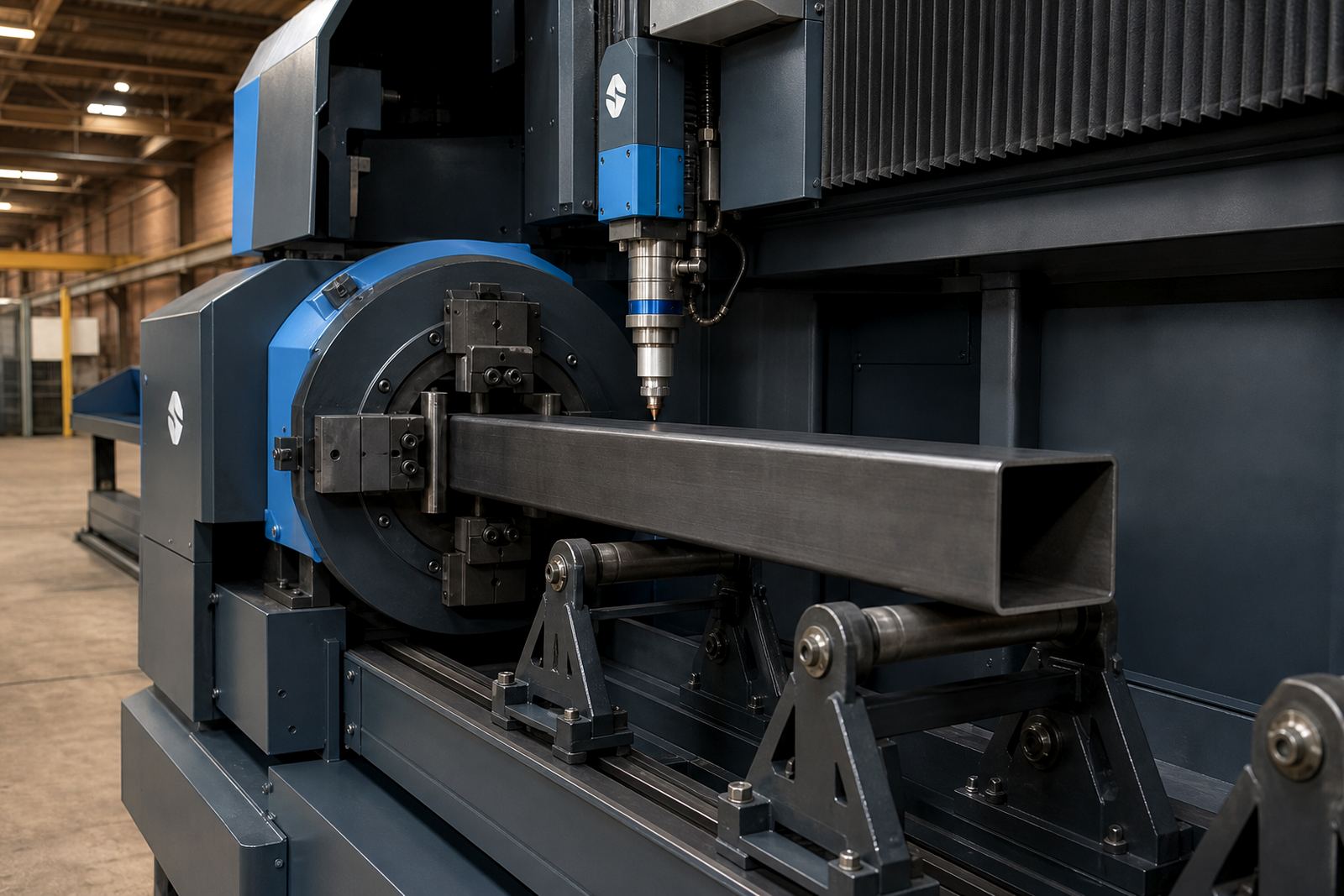
Tube cutting is not only about speed. Clamp control, chuck alignment, part support and cut accuracy all affect the end result, especially where short parts, long lengths and mixed profiles pass through the same machine. Bevel heads are part of the picture where weld prep, fit-up and joint quality need to stay consistent. Nesting software helps the operator place jobs well on the tube length, reduce waste and keep the cut order sensible.
We address assist gases, cut quality and safety practices in the machine setup and daily operation so the process stays stable and the workshop stays safe. That includes the right gas choice for the material, a stable cutting process and guarding that suits the machine layout. Workshop performance relies on correct setup as much as it does on the machine itself.
What we supply for tube and profile shops
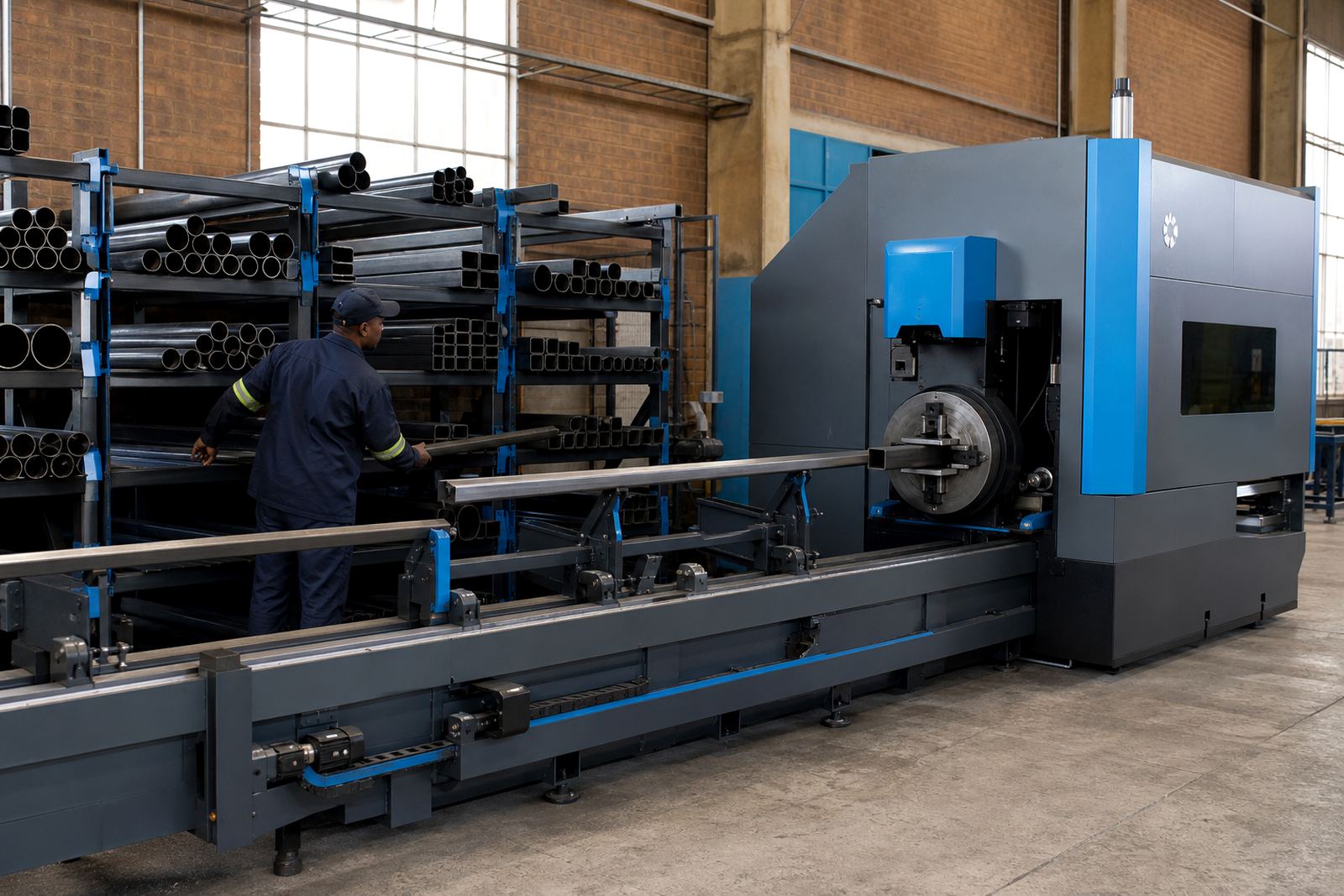
The range covers fibre laser tube cutting machines for smaller operations, as well as heavier-duty systems for plants that run more volume and more shifts. A machine may be set up for mixed tube sizes, bundle loading, bevel cutting or a combination of those needs. The right build depends on the parts being made and the daily flow on the floor.
- Fibre laser tube cutting machines for round, square and rectangular sections
- Profile cutting systems for angle and channel work
- Chuck systems for secure gripping and repeatable feeding
- Bevel heads for weld preparation and angled cuts
- Nesting software for better material use and job planning
- Assist gas setup and cutting process checks
- Operator training, nesting training and machine handover
Not every fabricator needs the same size machine or the same level of automation. Some shops want a compact unit that can handle a steady mix of jobs. Others need longer beds, faster loading, more advanced controls or better support for repeated production runs. That is where the specification work matters. The aim is to match the machine to the parts, the material flow and the people running it.
Hands-on work from first site visit to first cut
Installation starts with a site assessment, because floor space, material handling, access points and part stacking all affect the final layout. Delivery rigging is planned with care so the machine arrives safely and lands where it can be serviced, loaded and operated without awkward movement. Commissioning follows once the machine is in place and ready for setup checks.
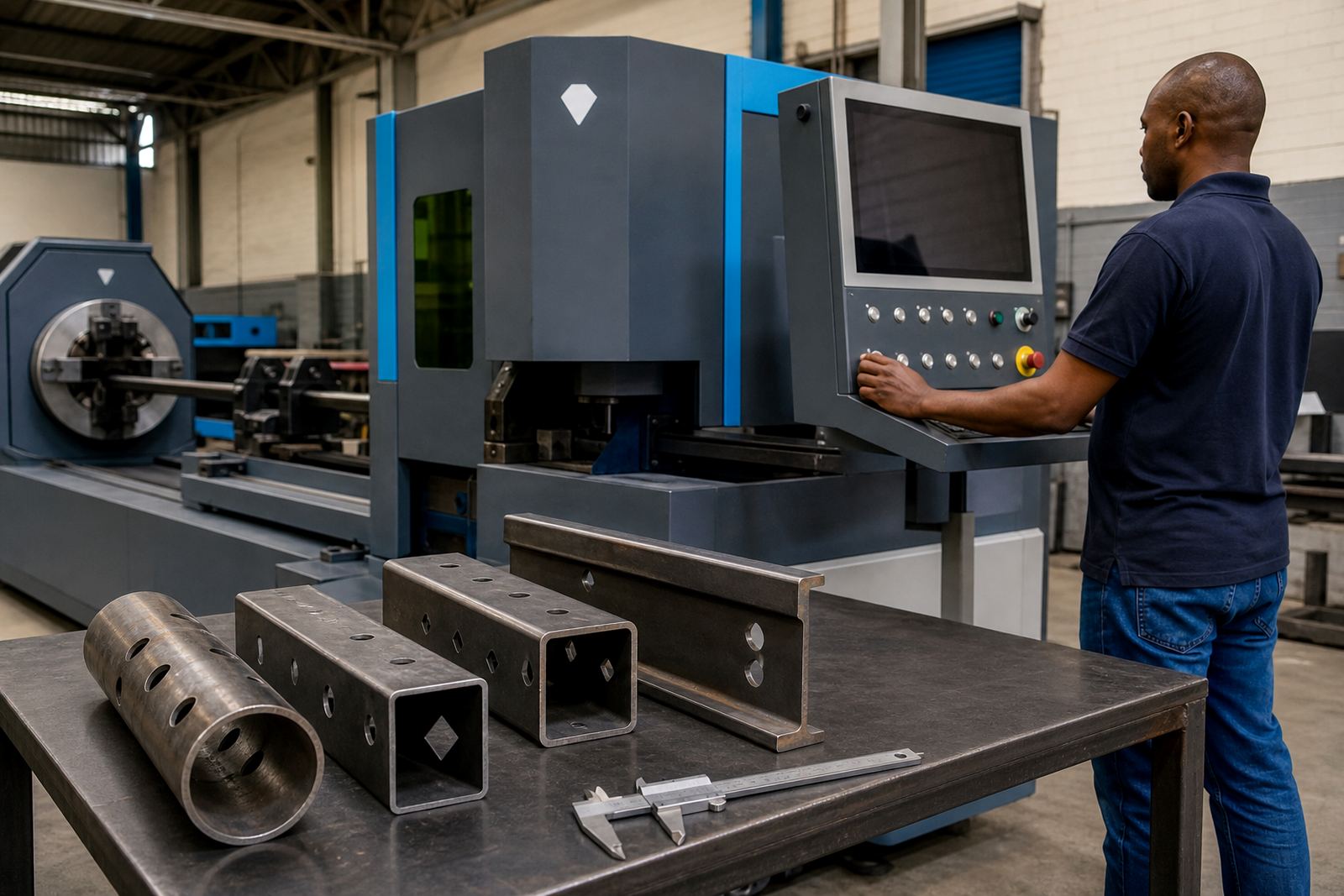
After that, the handover moves into operator training. The team covers machine controls, chuck handling, nesting routines, cut sequence and practical safety points. Where bevel cutting is included, the setup has to be checked carefully so the angles are repeatable and the parts fit the next process without extra grinding. Training is kept close to the work people actually do on the floor, not theory for its own sake.
- Site Assessment for space, access and workflow
- Delivery Rigging and Machine Installation
- Commissioning and initial production setup
- Operator Training and Nesting Training
- Preventive Maintenance for steady running
- Chuck Alignment and Bevel Calibration
- Assist Gas Setup, Remote Diagnostics and Breakdown Response