

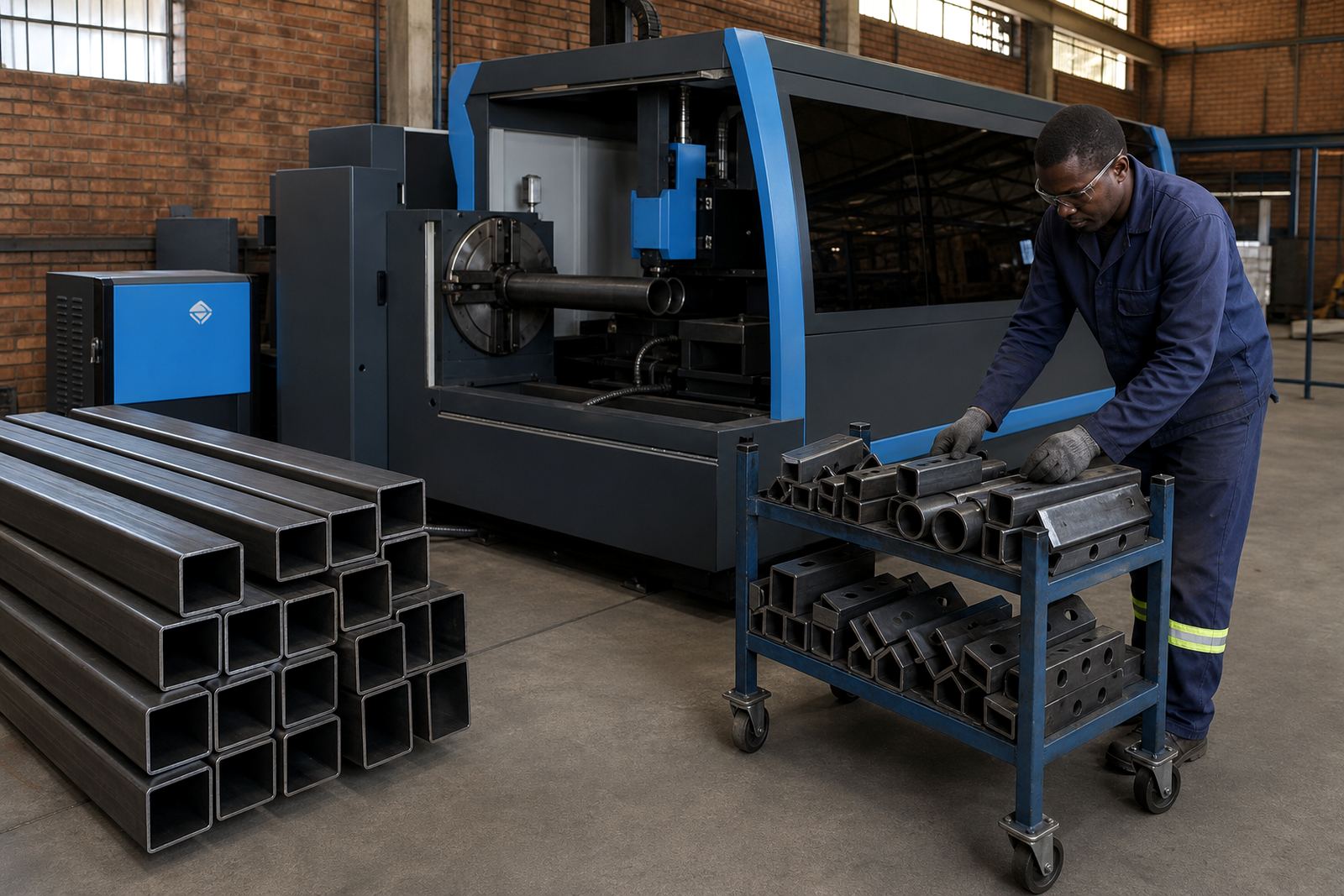
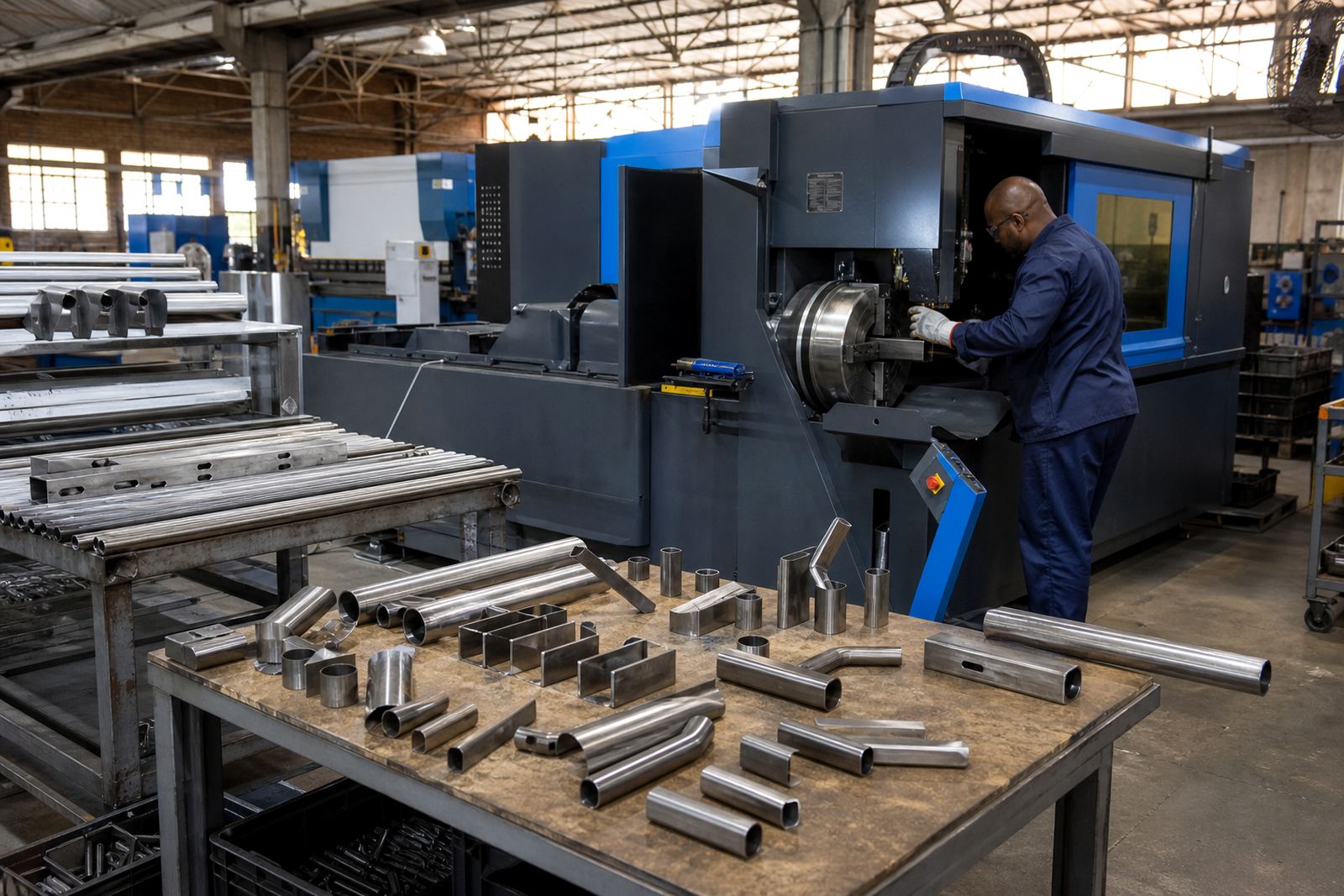
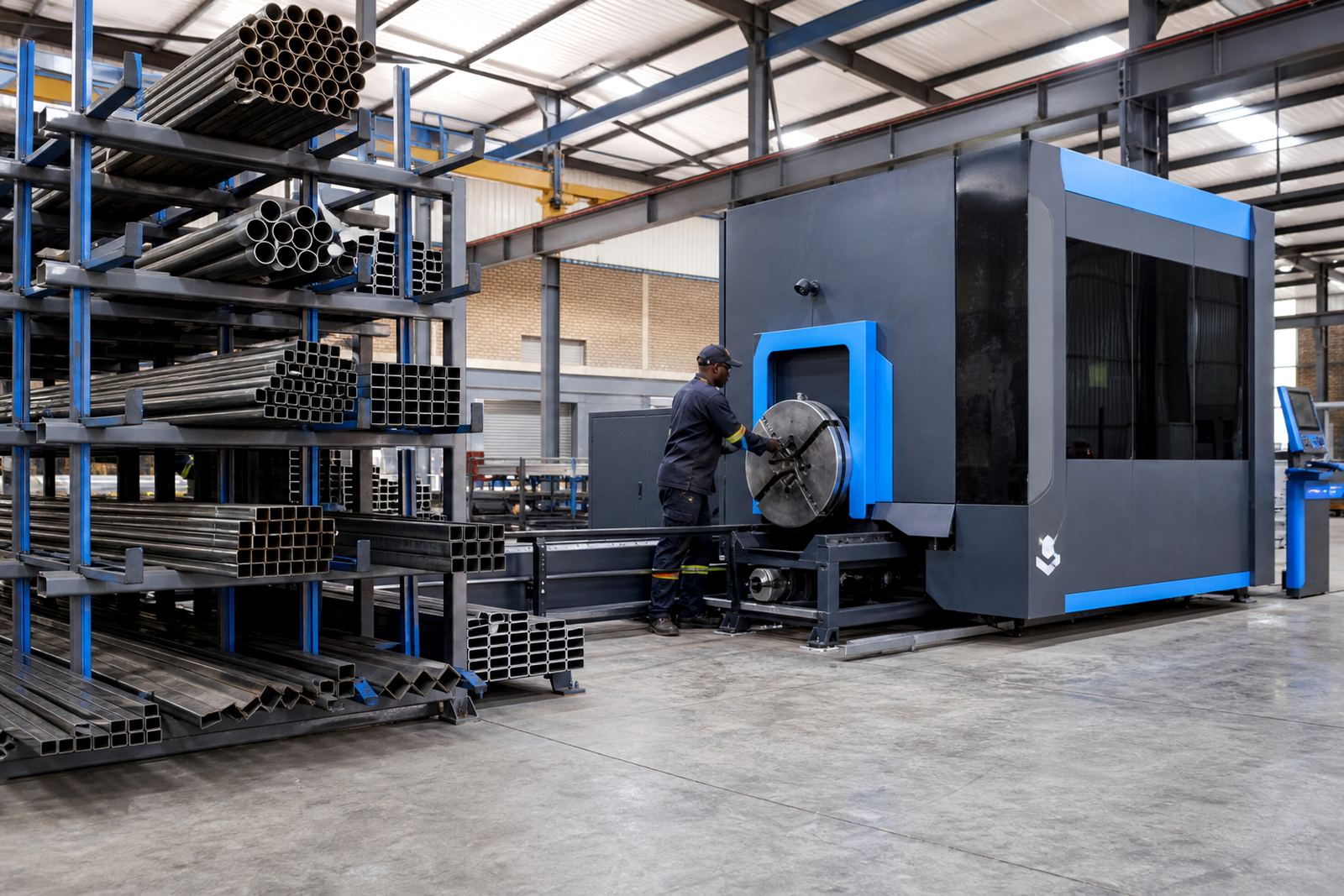
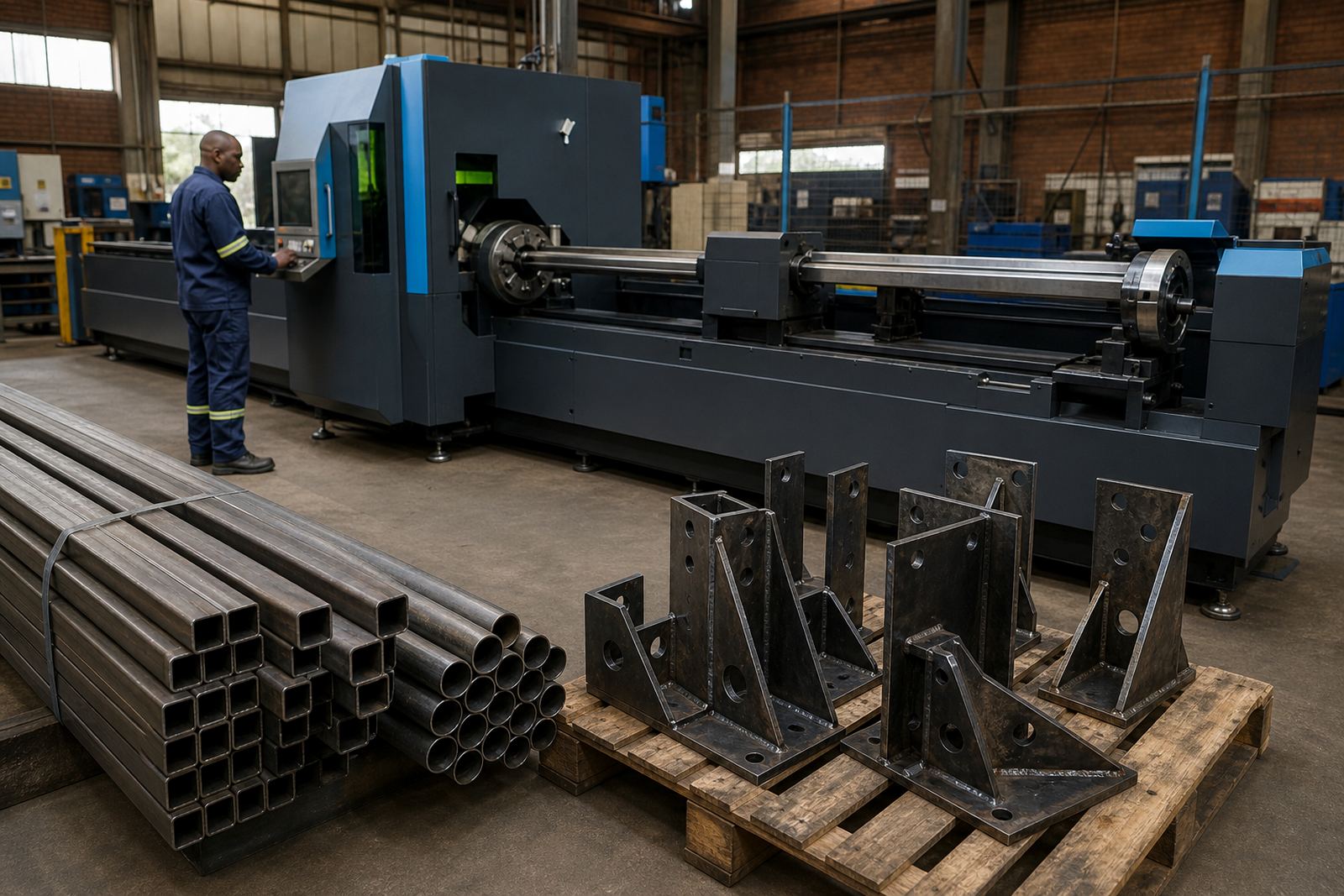
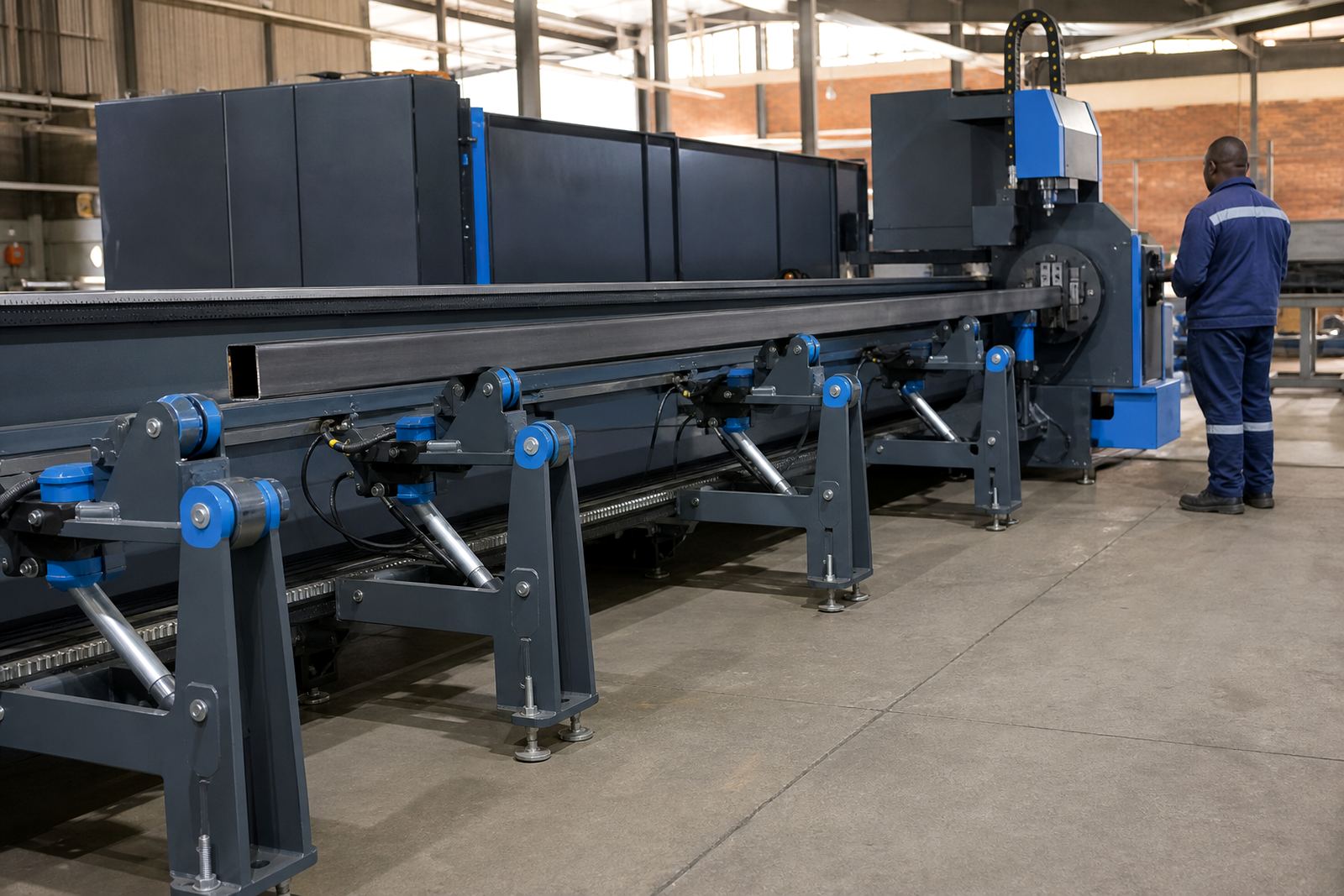
Machines matched to tube, section and throughput
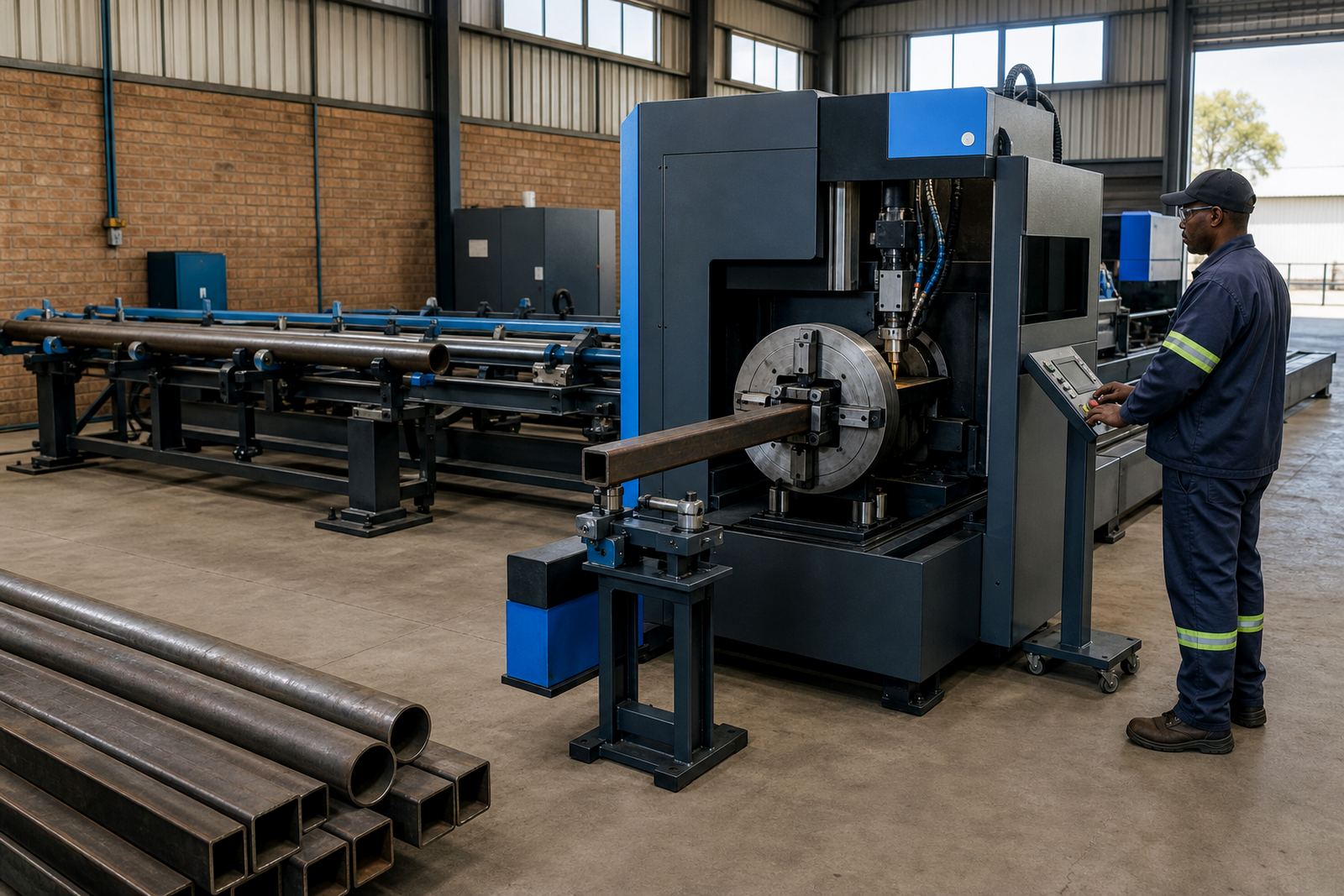
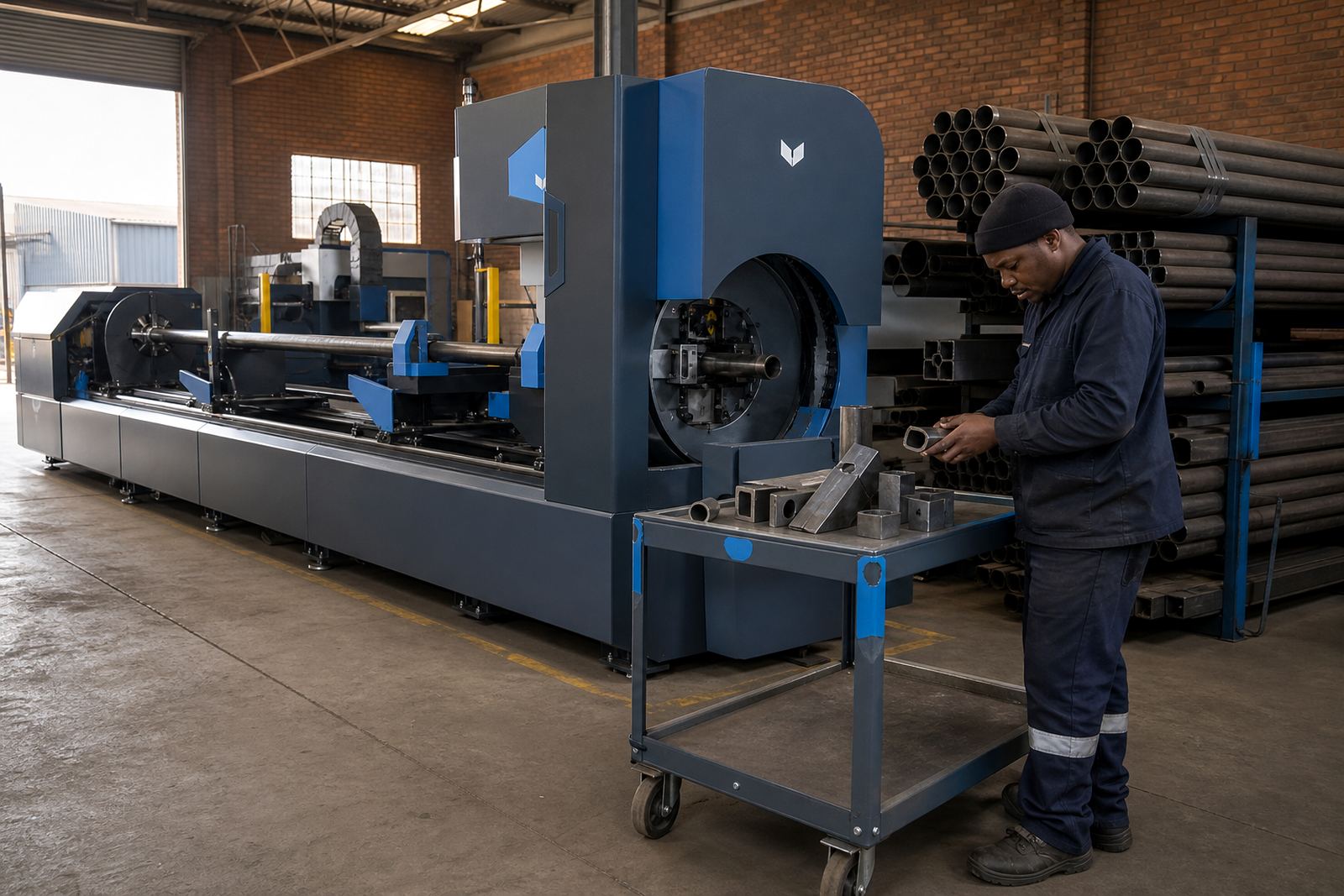
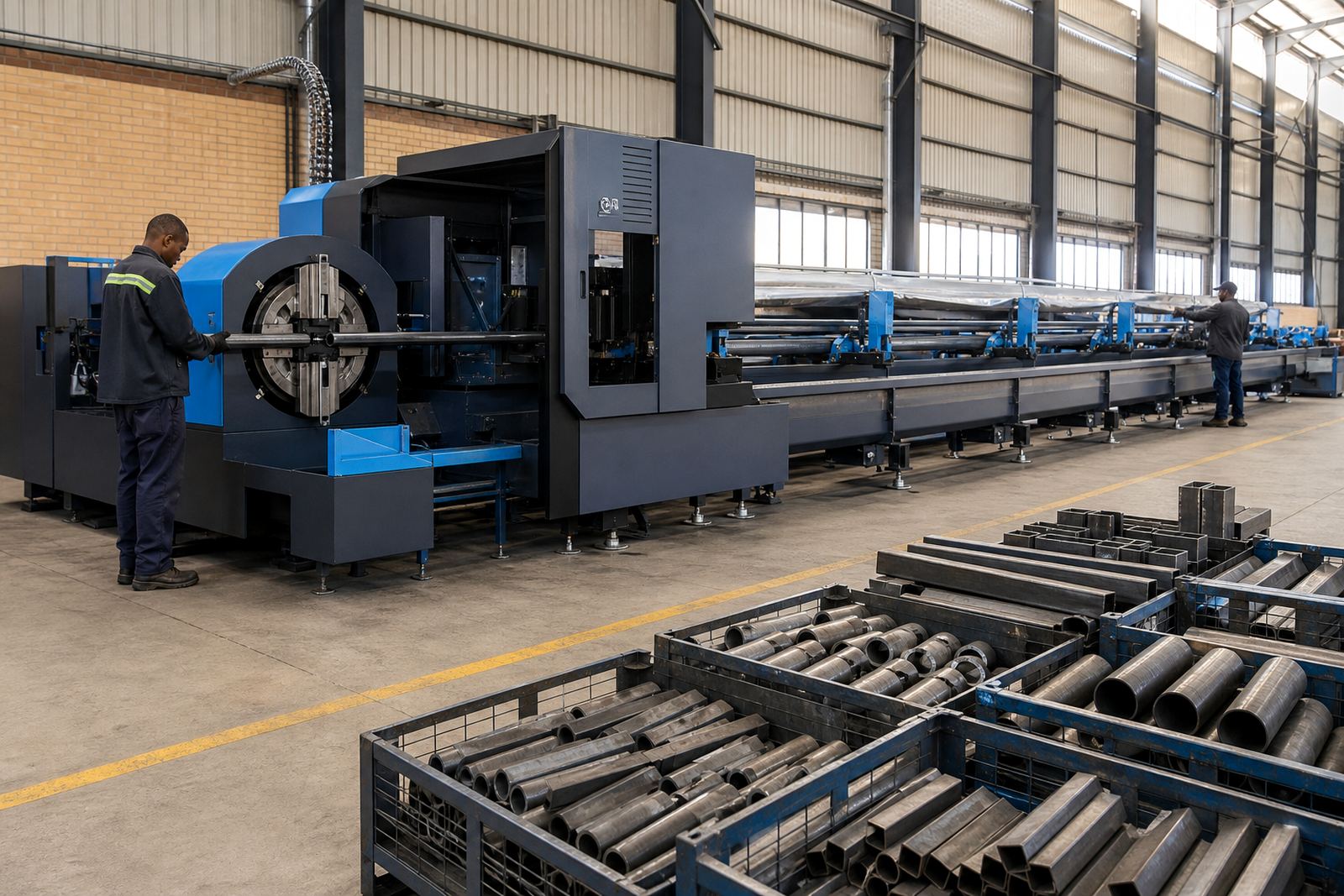
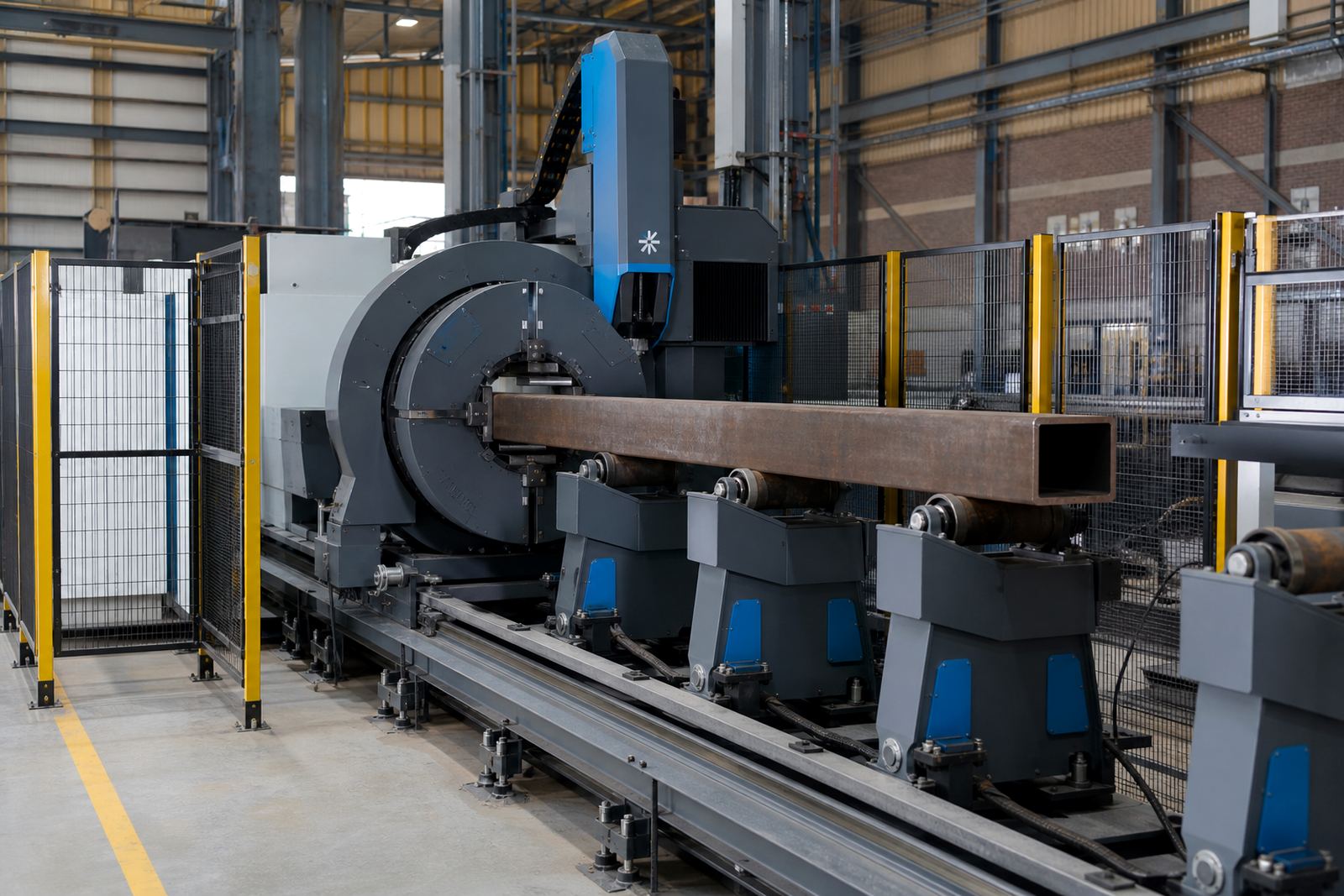
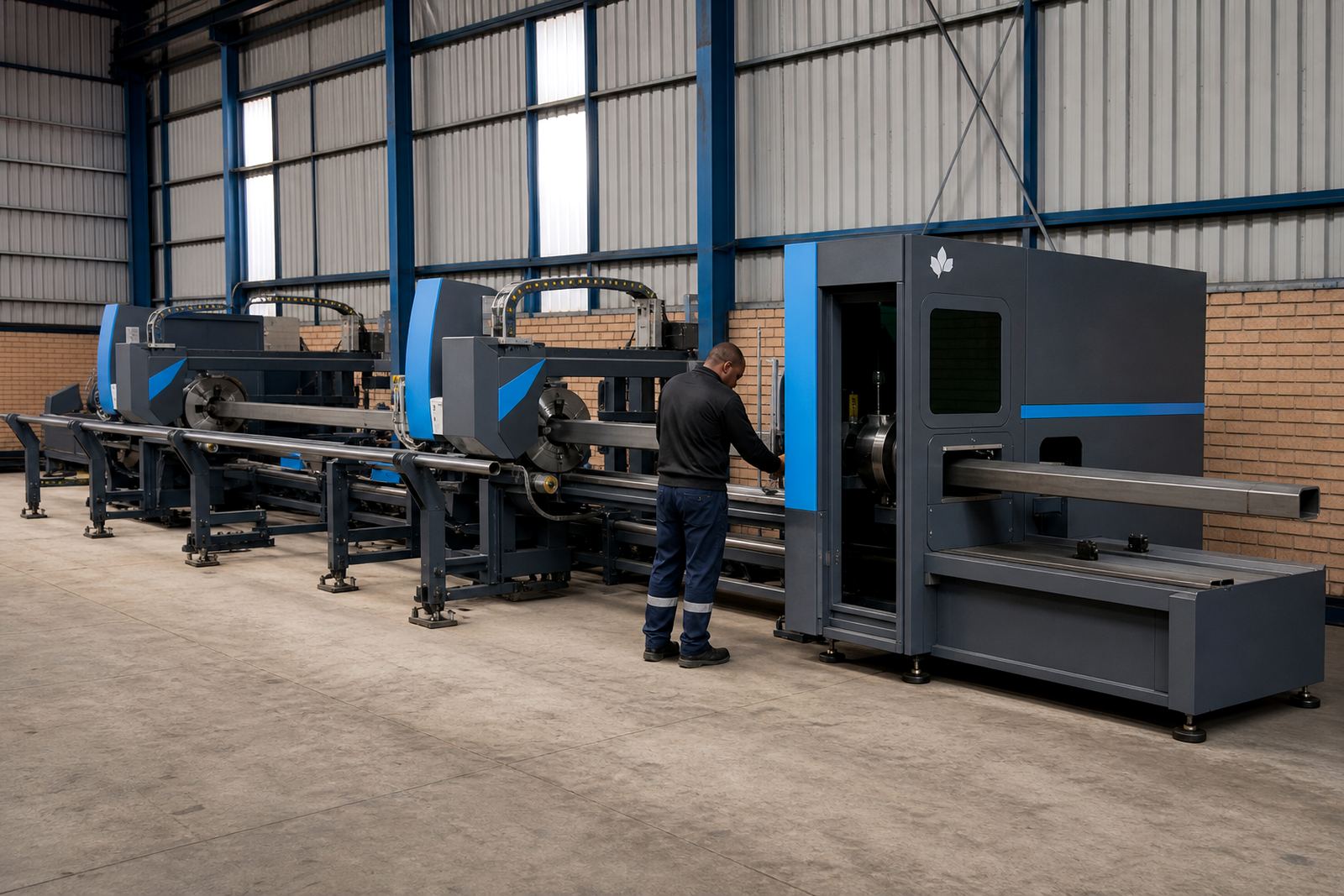
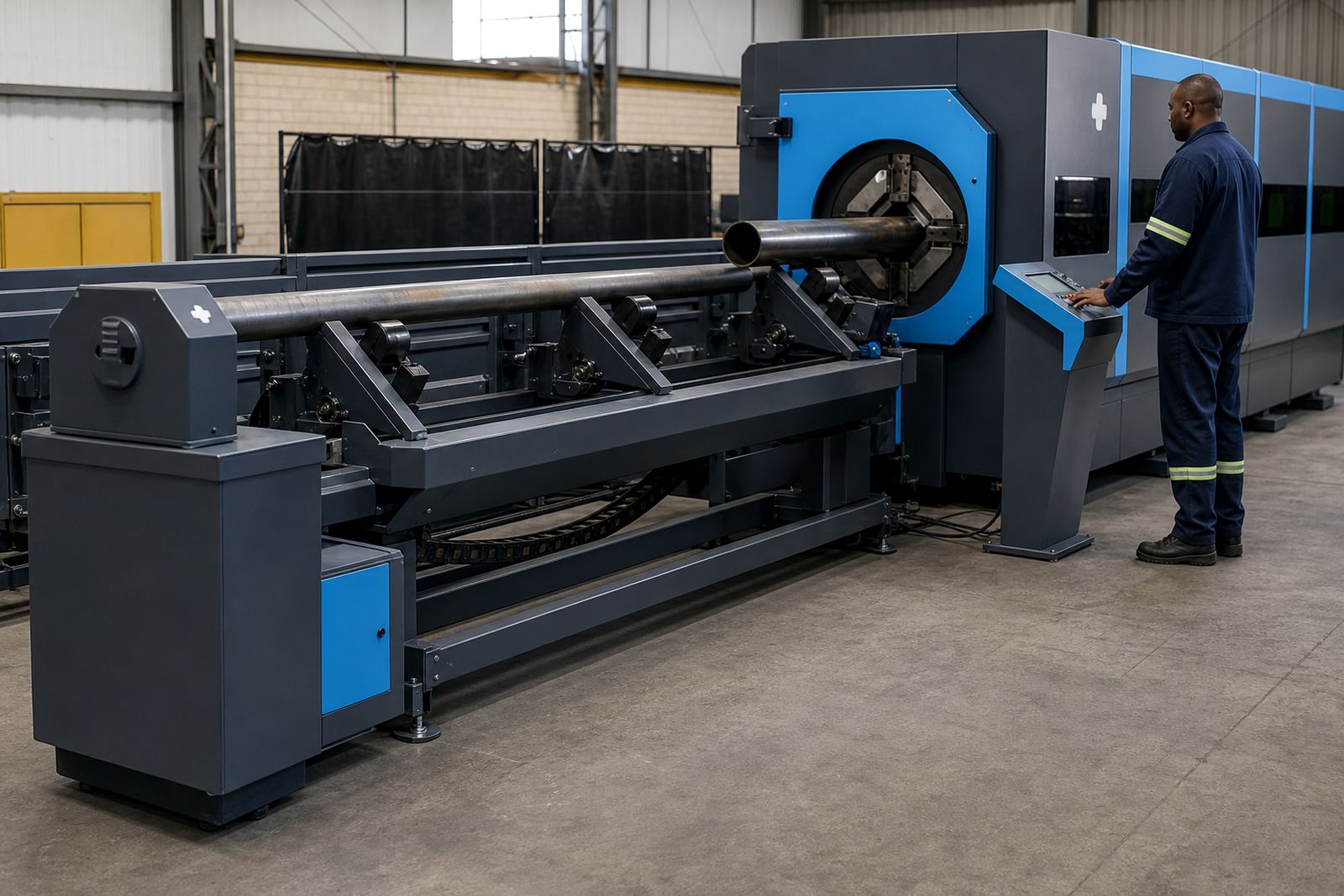
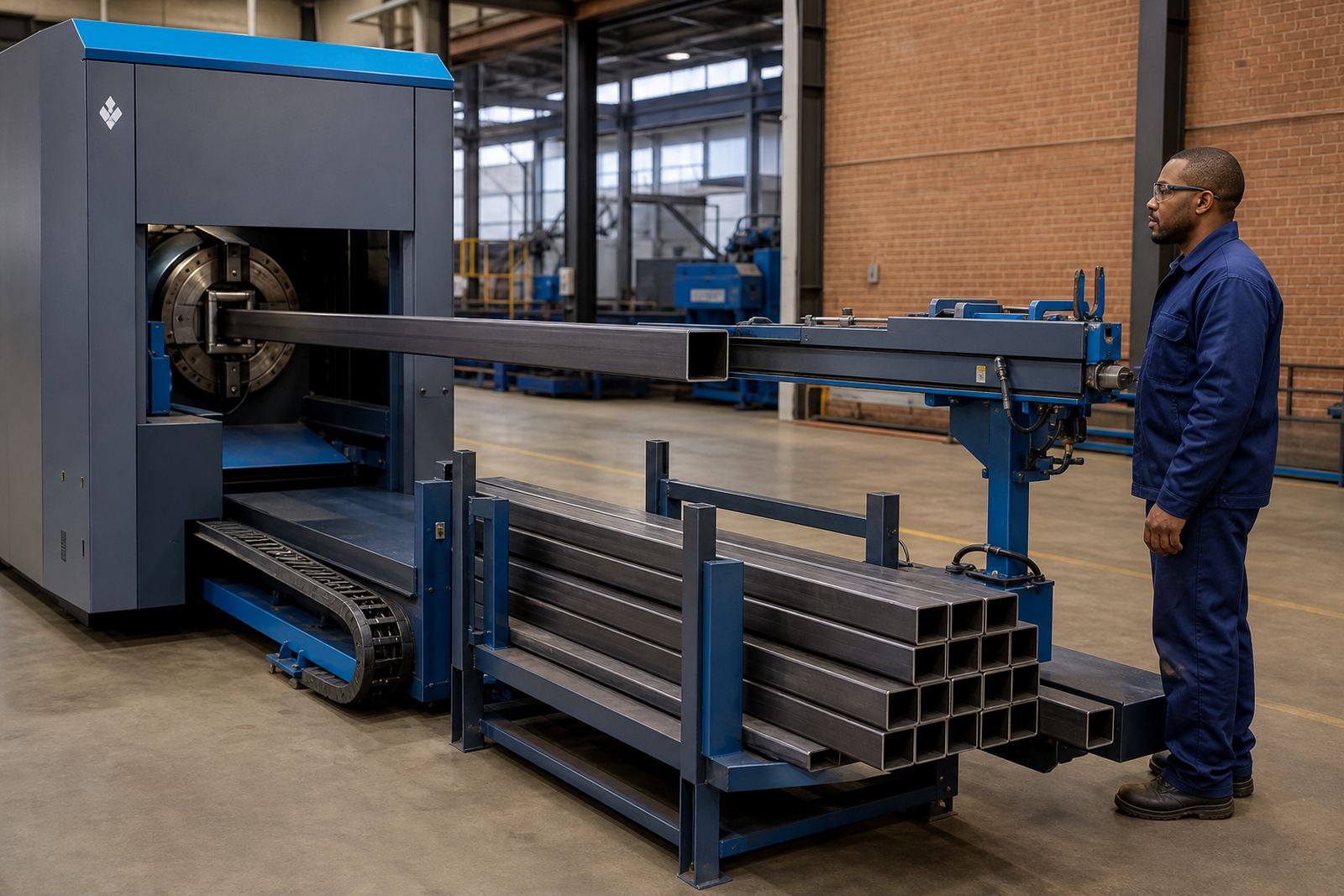
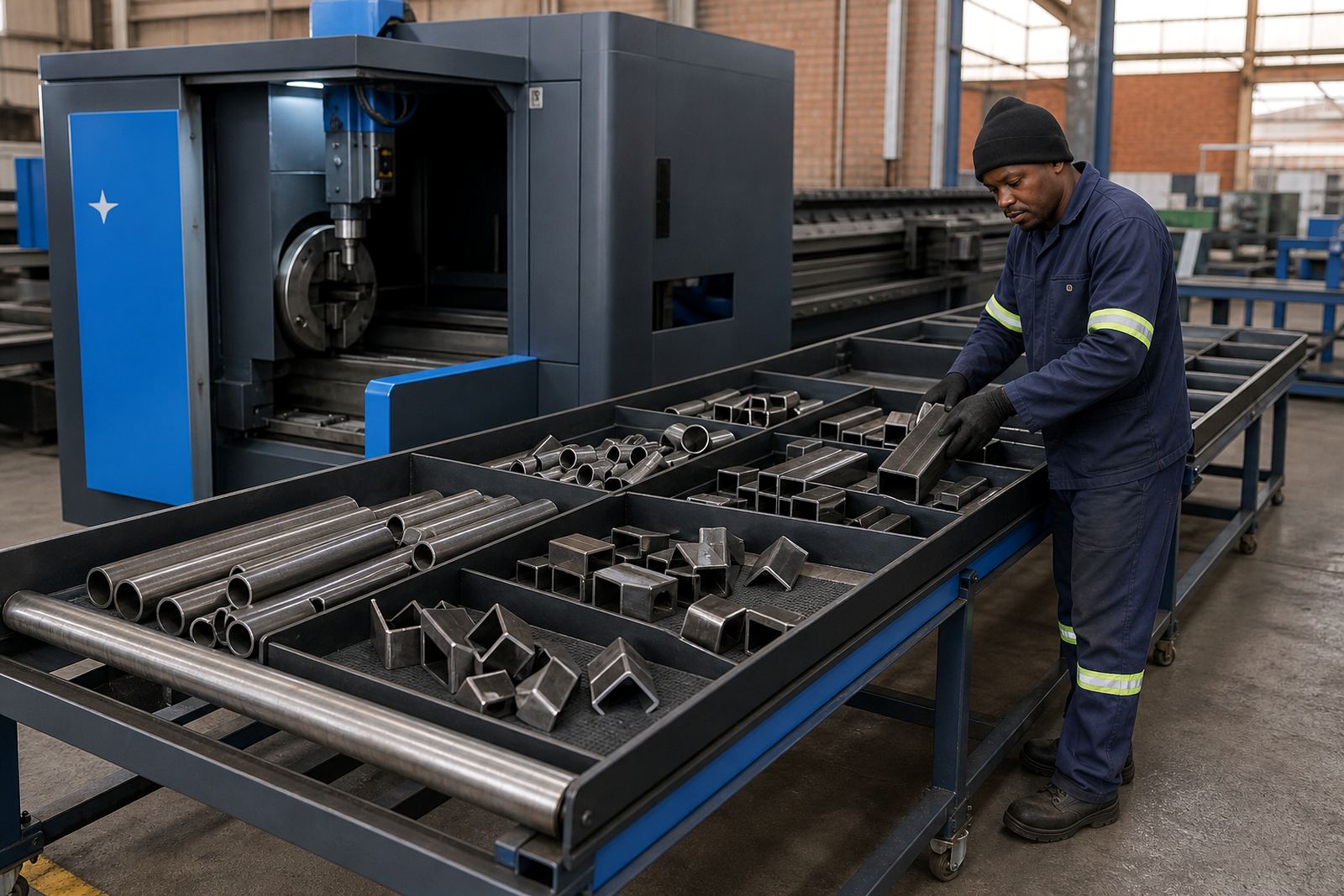
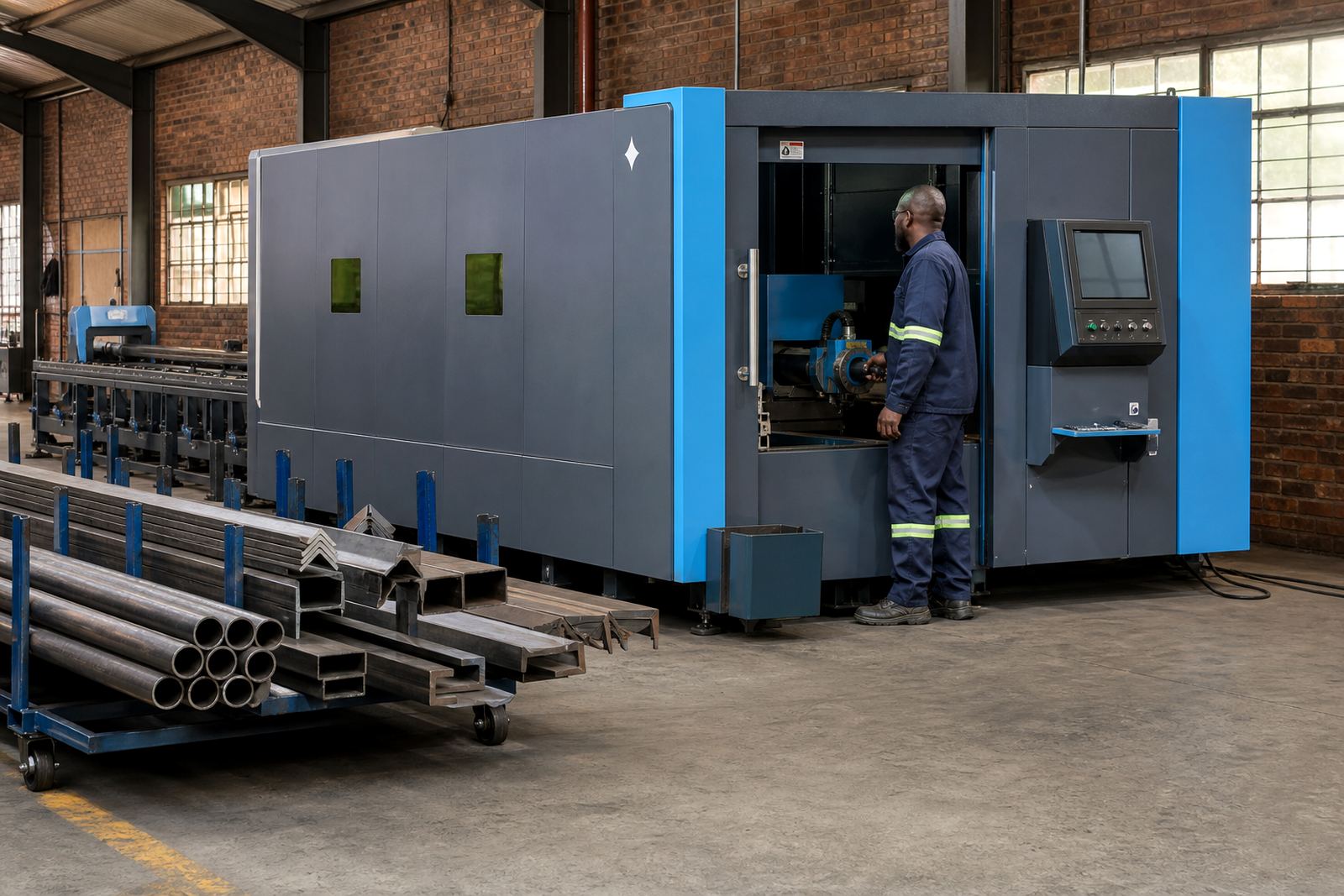
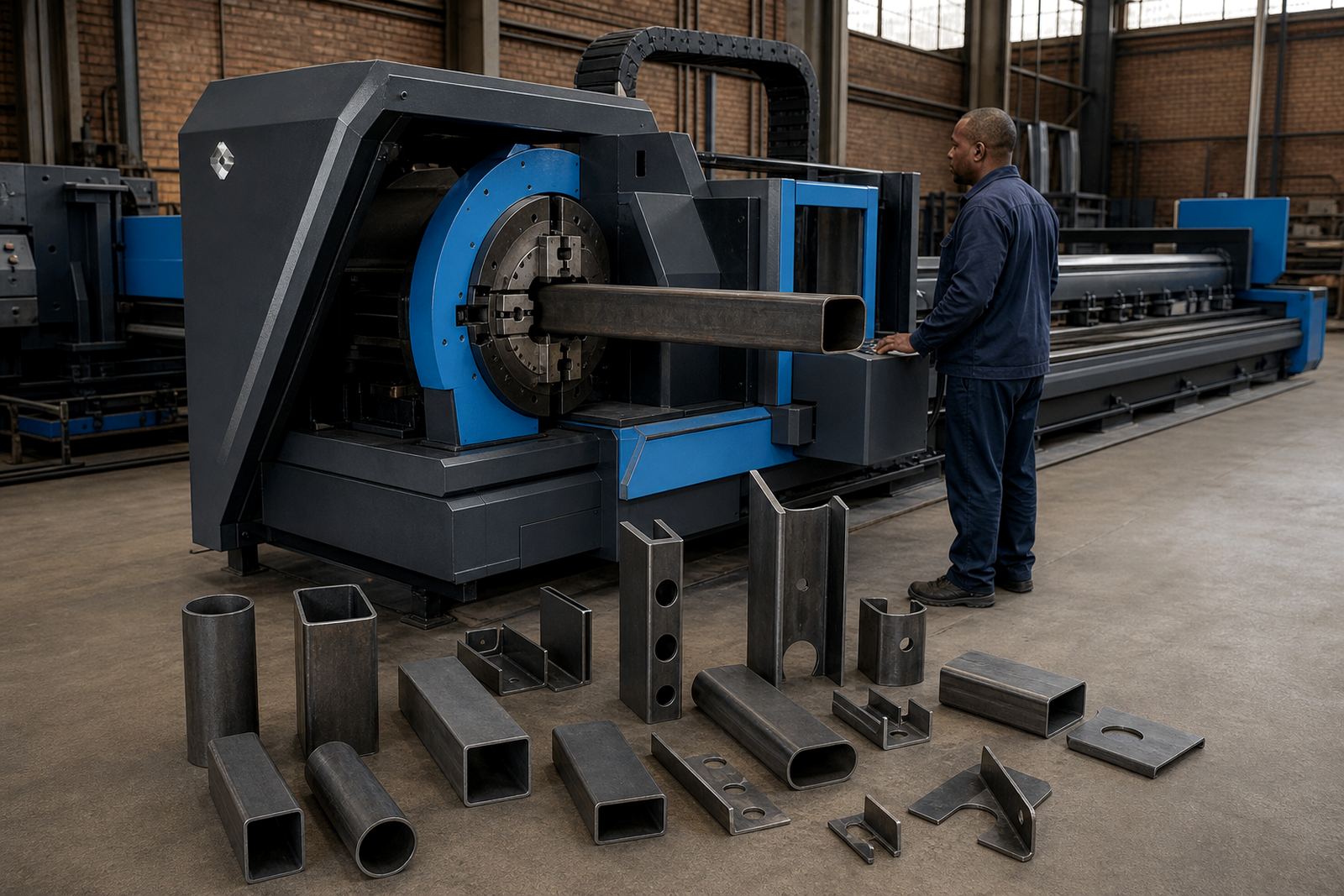
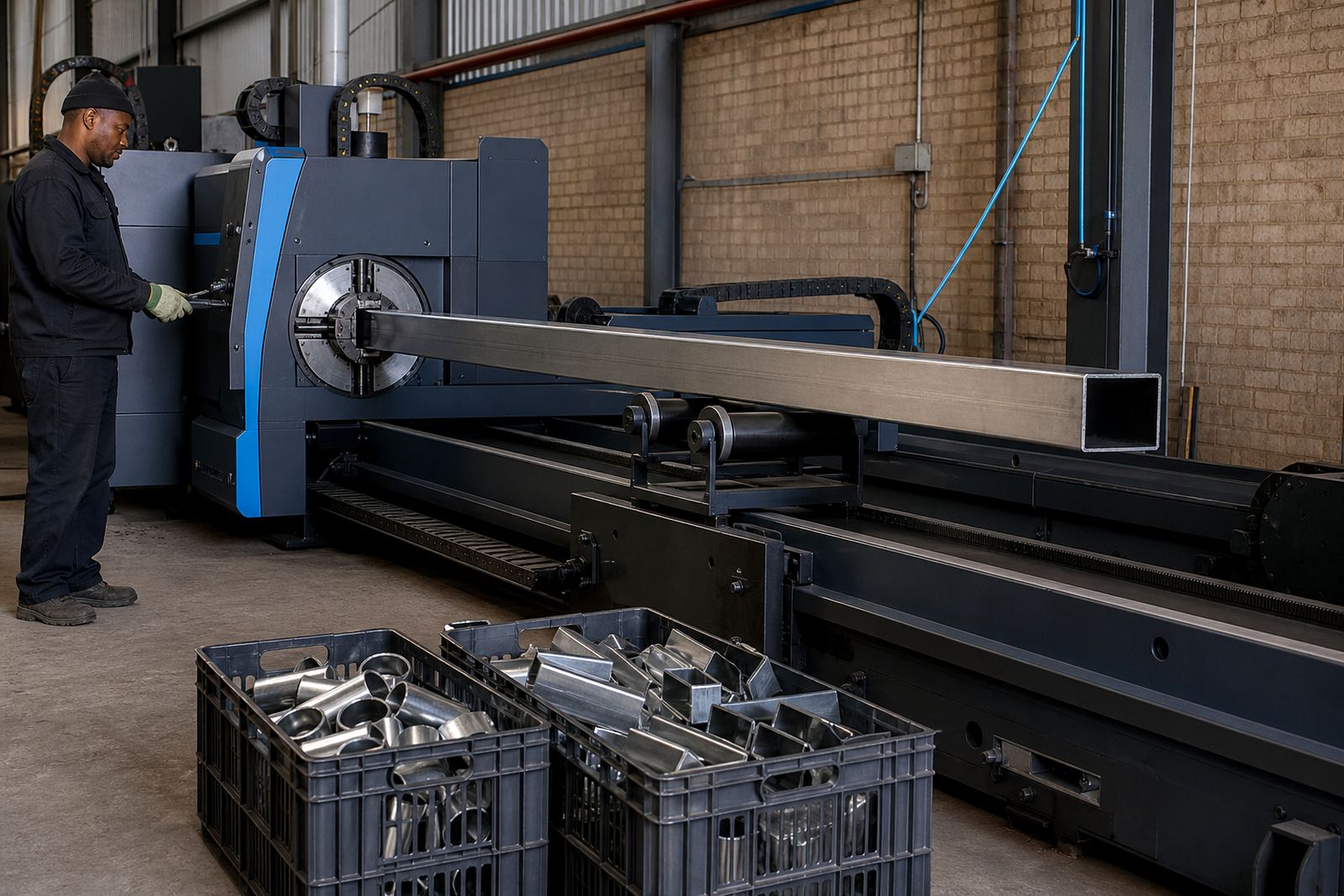
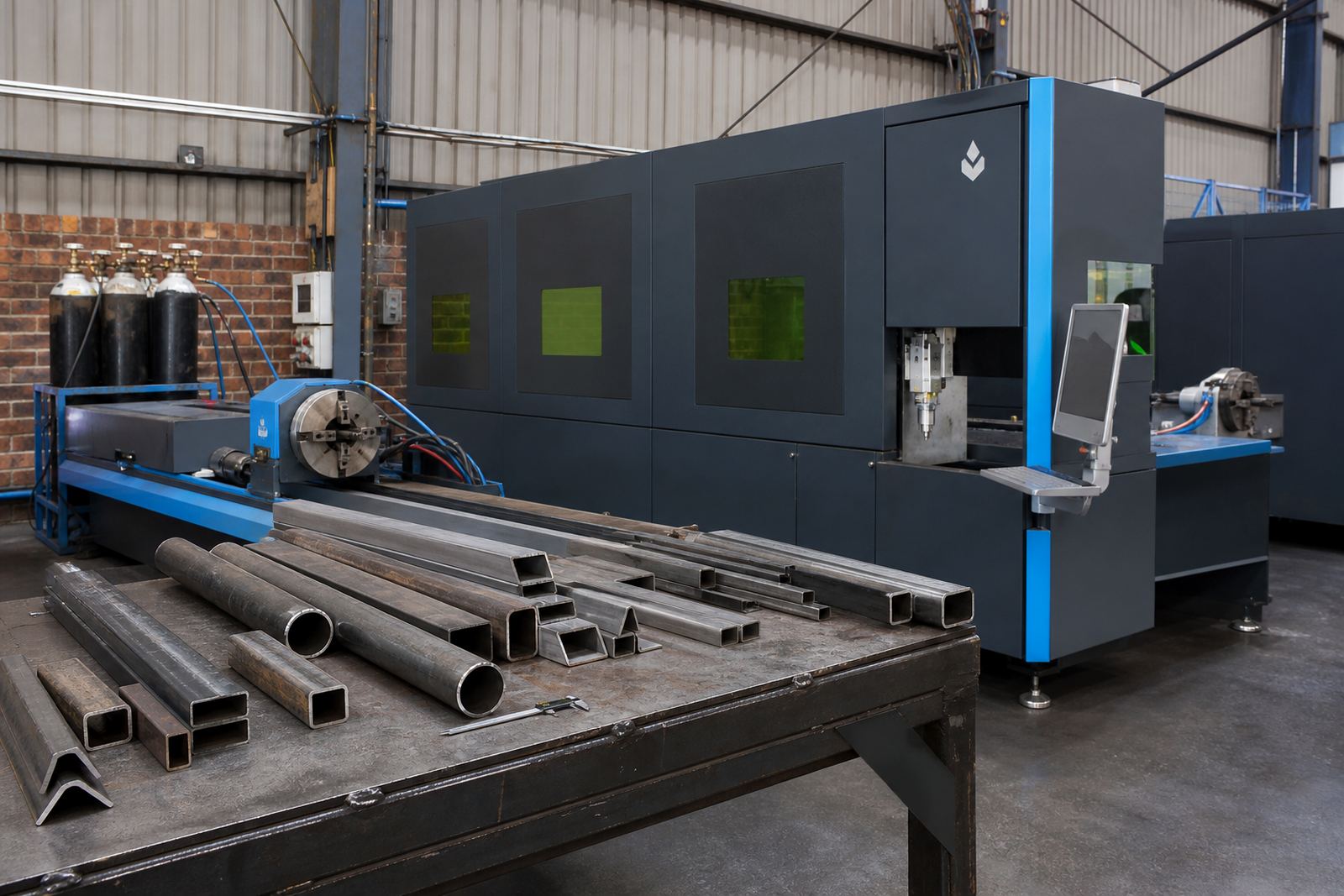
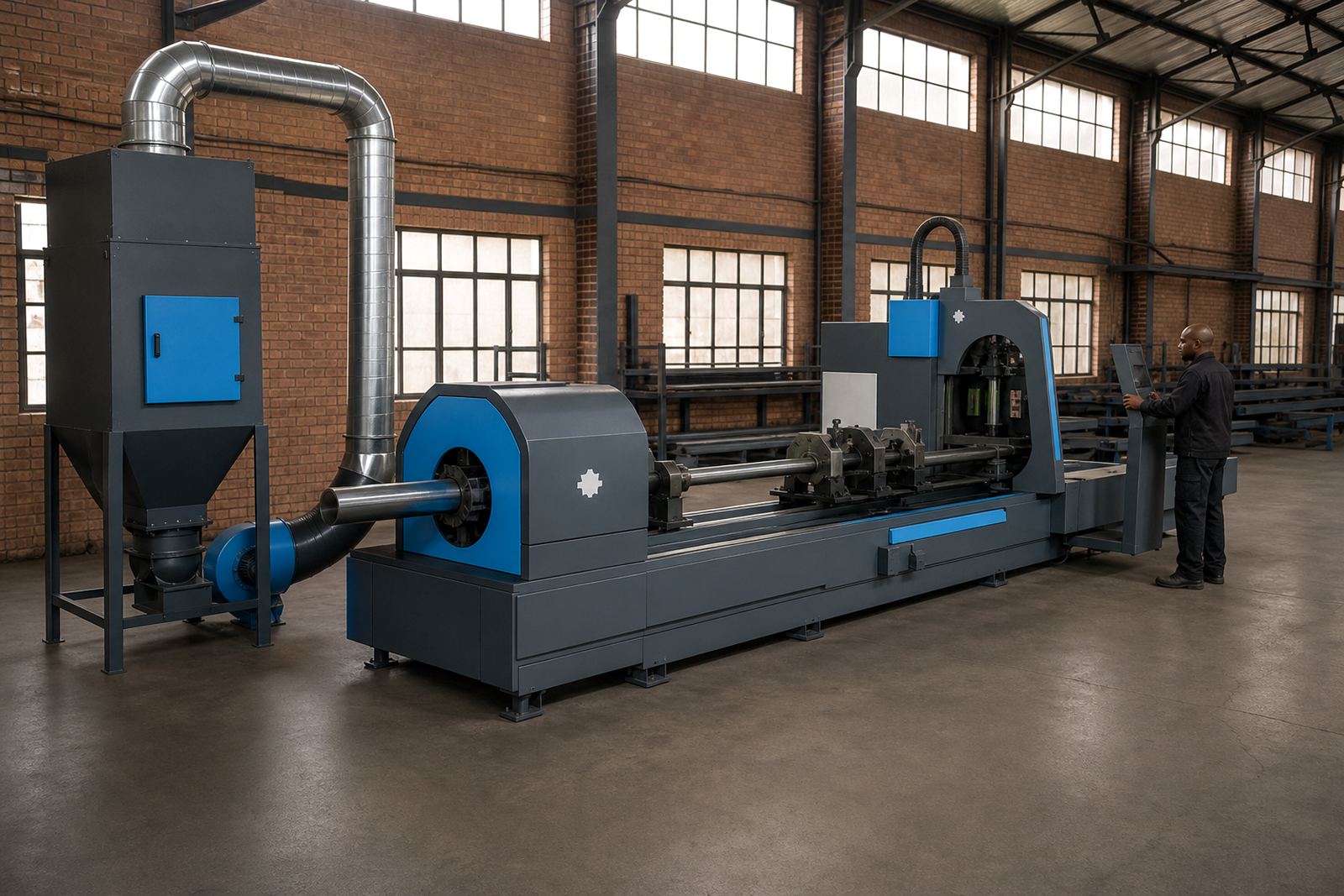
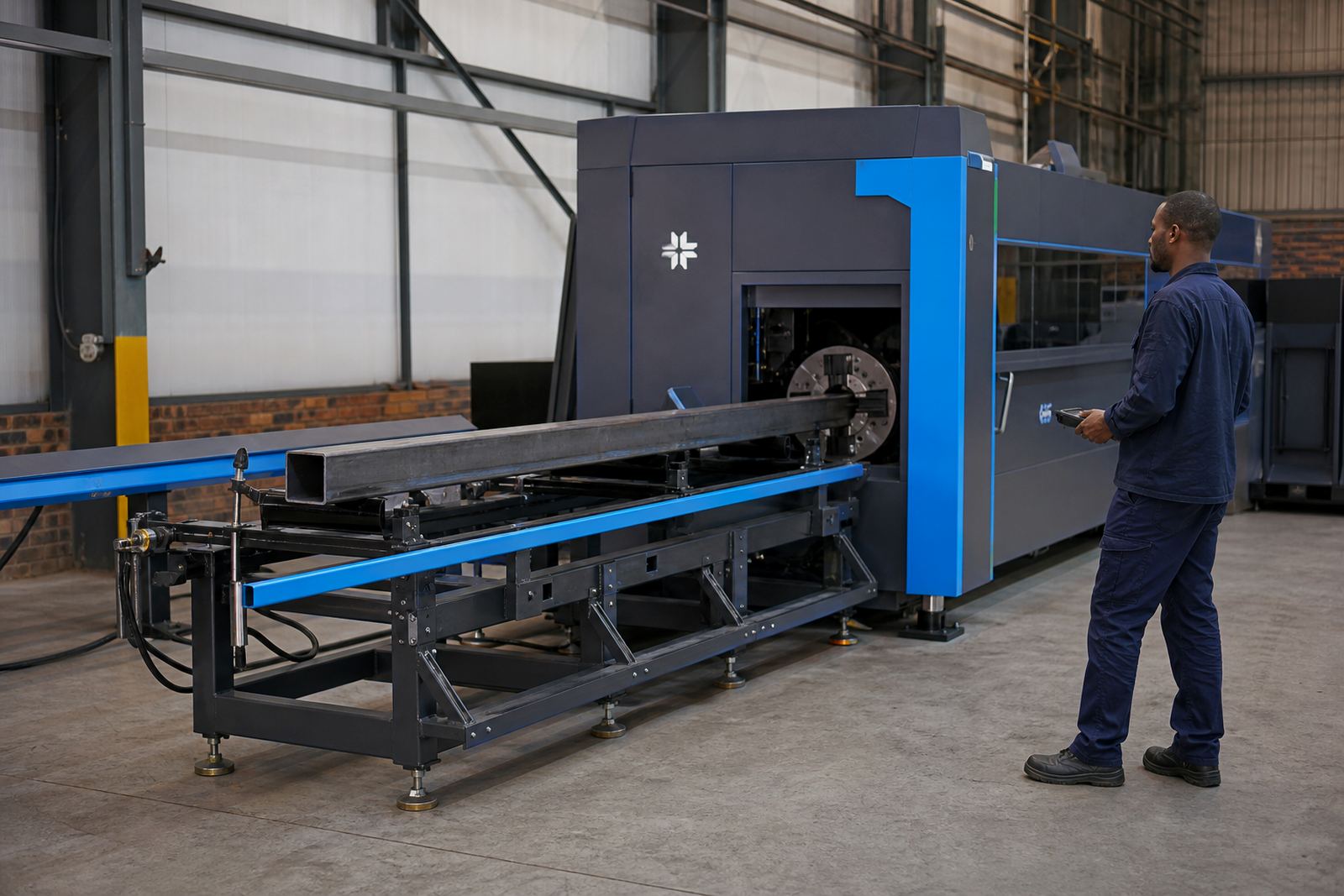
Tube laser machines are used where cut quality, repeatability and hole placement matter on round tube, square tube, rectangular tube, angle and channel. The right machine depends on the size range you run, wall thickness, bundle loading, cut length and how many shift hours the line must carry.
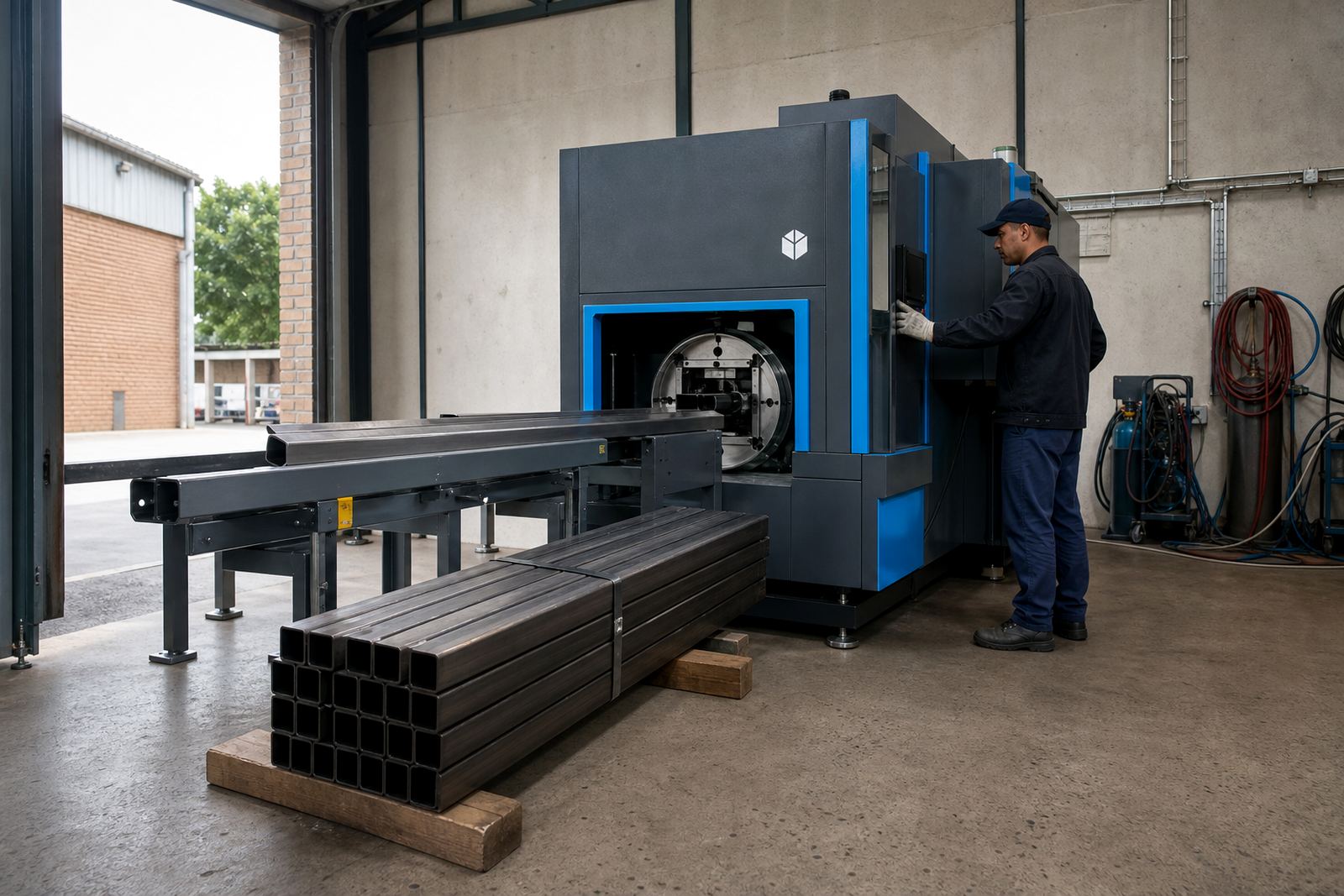
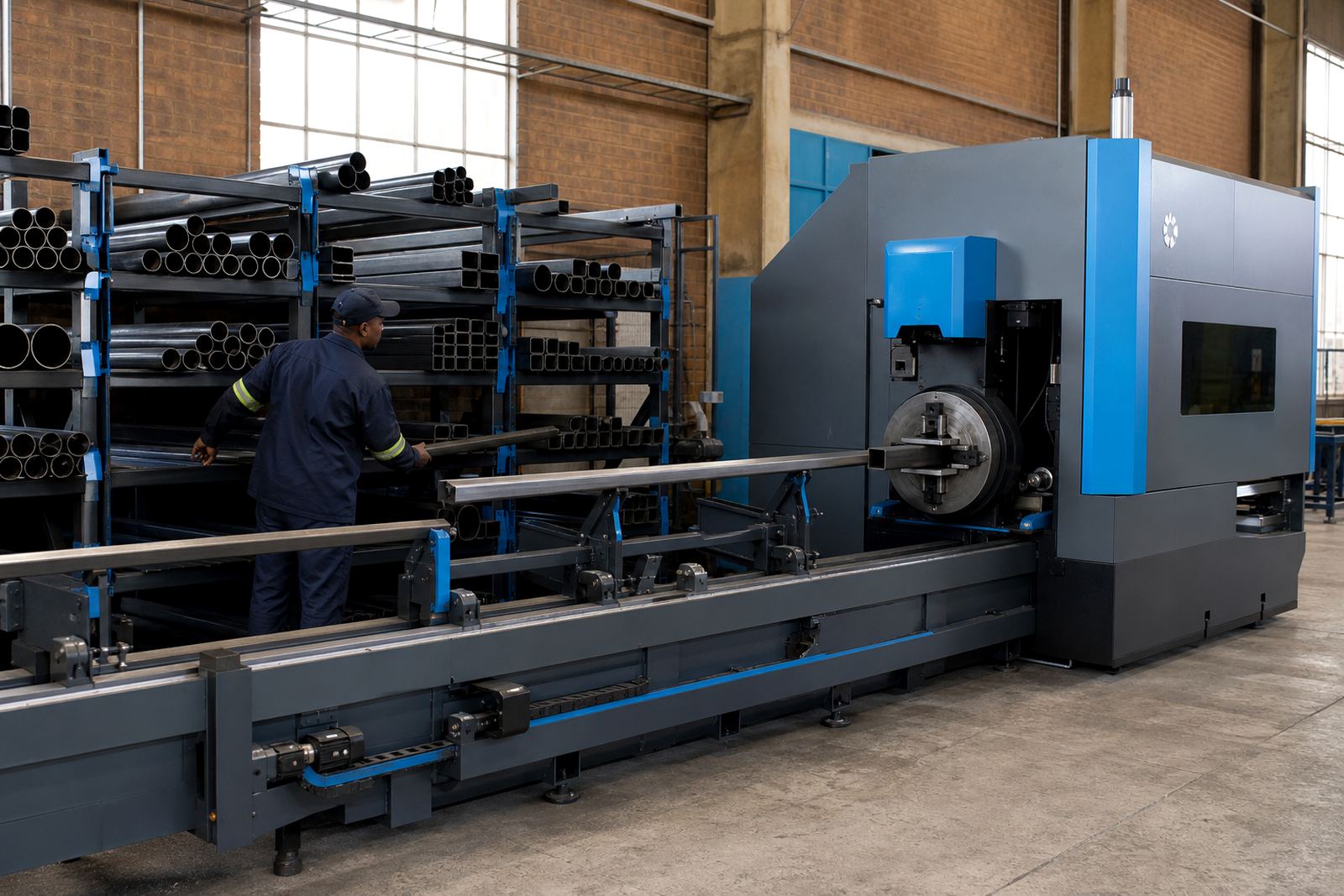
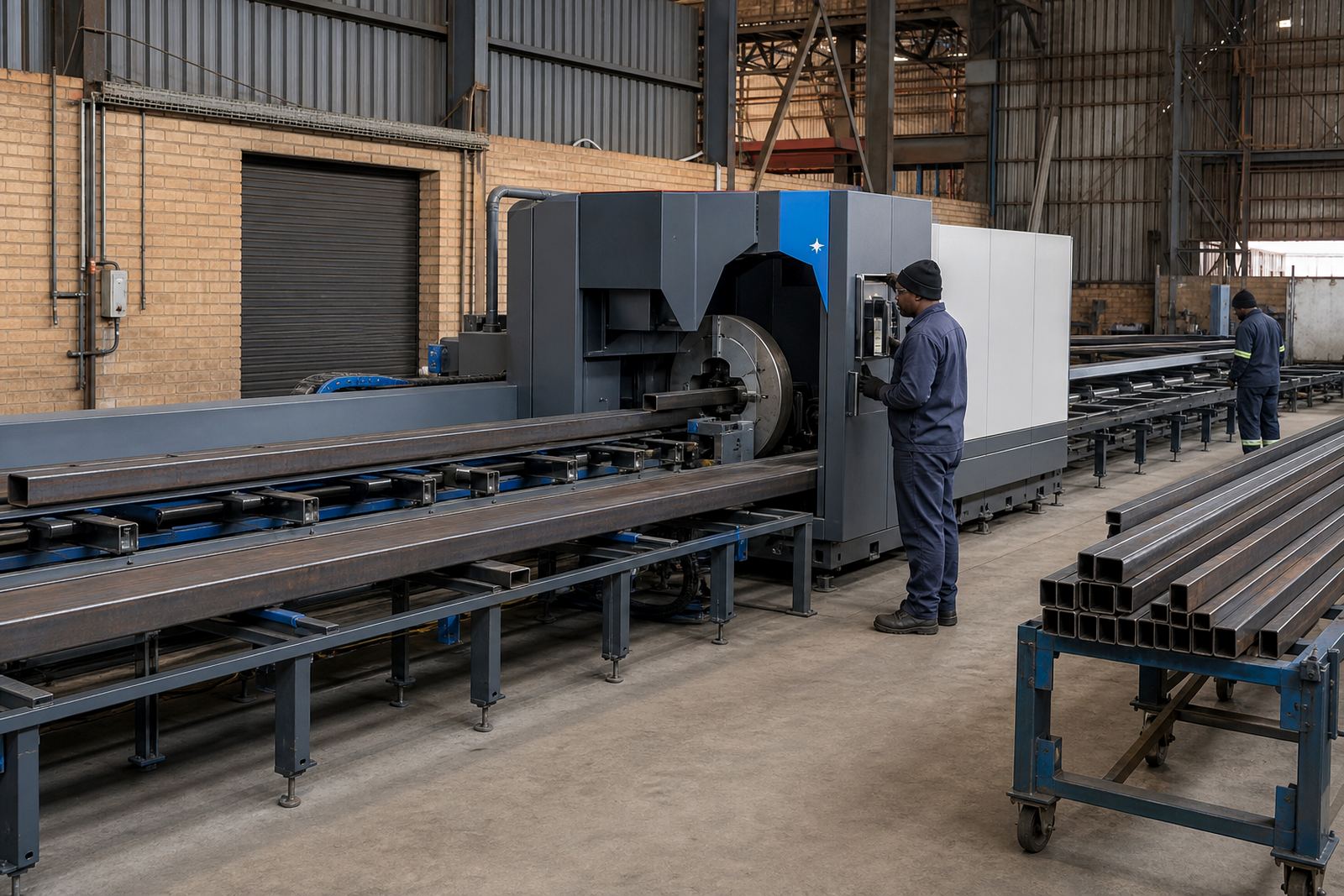
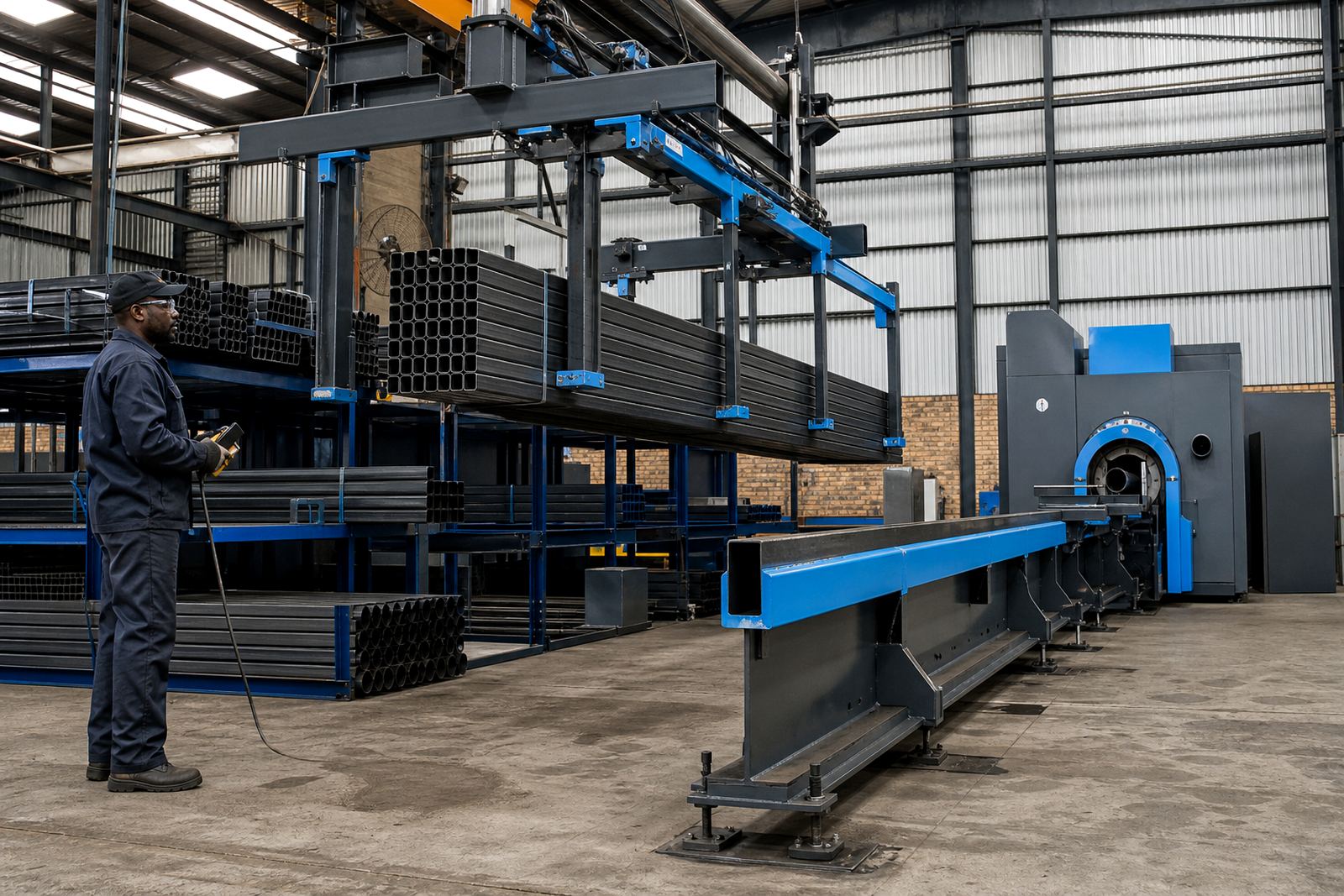
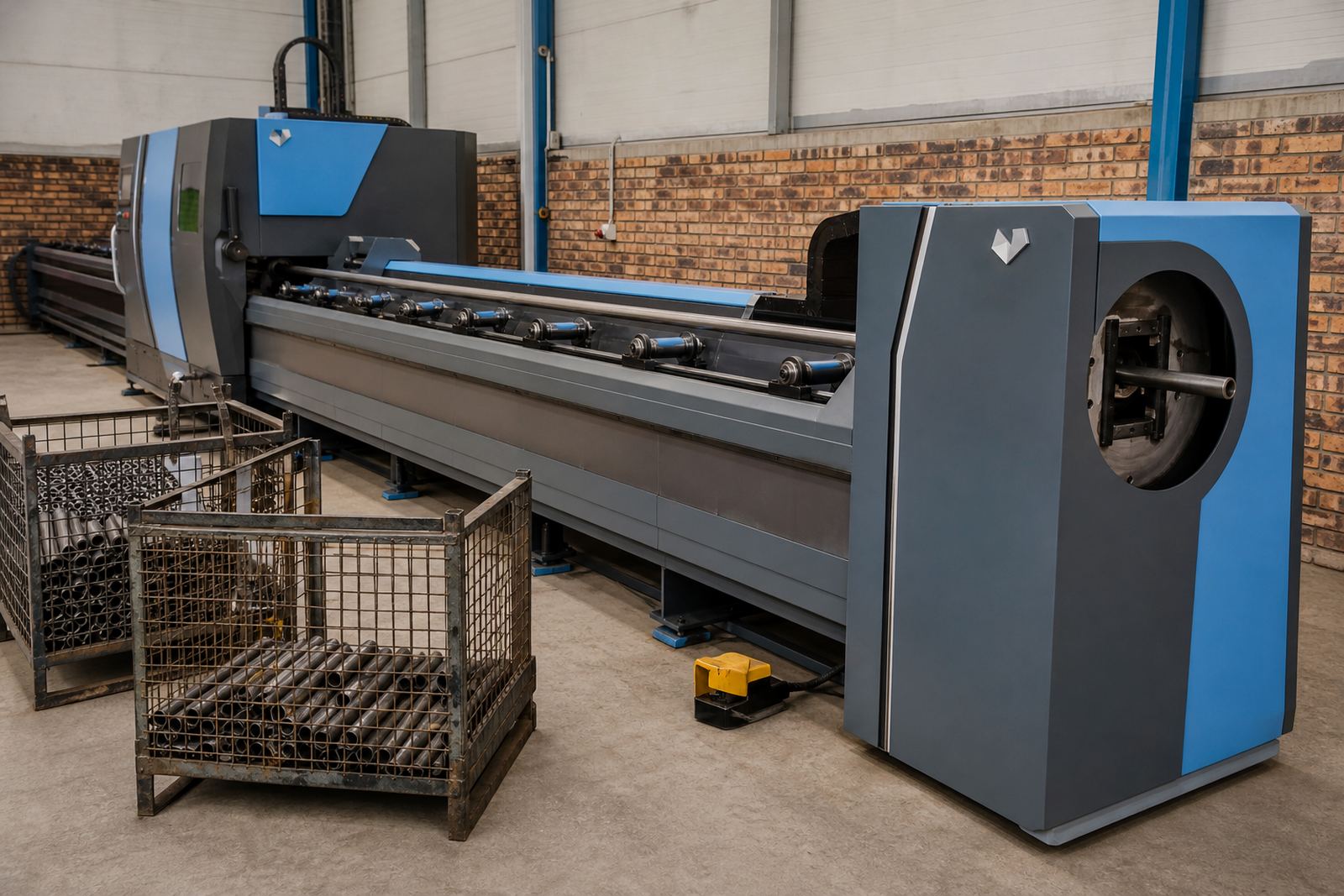
Compact shop machines suit smaller fabrication teams that cut mixed jobs and short runs. Production cells suit higher volumes, more automation and longer pieces, with handling options that reduce manual lifting and keep the cut flow steady.
Cutting features that shape the job
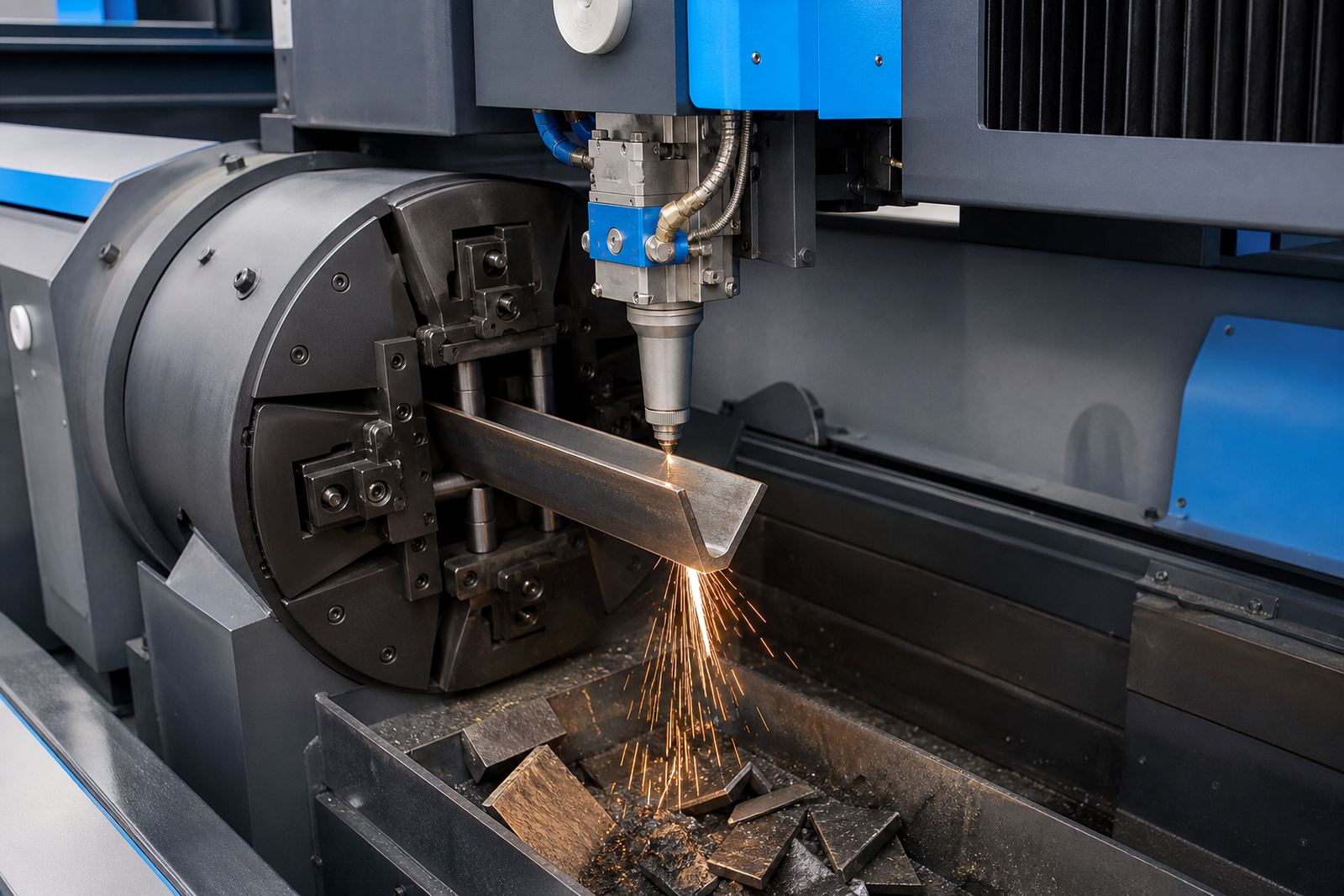
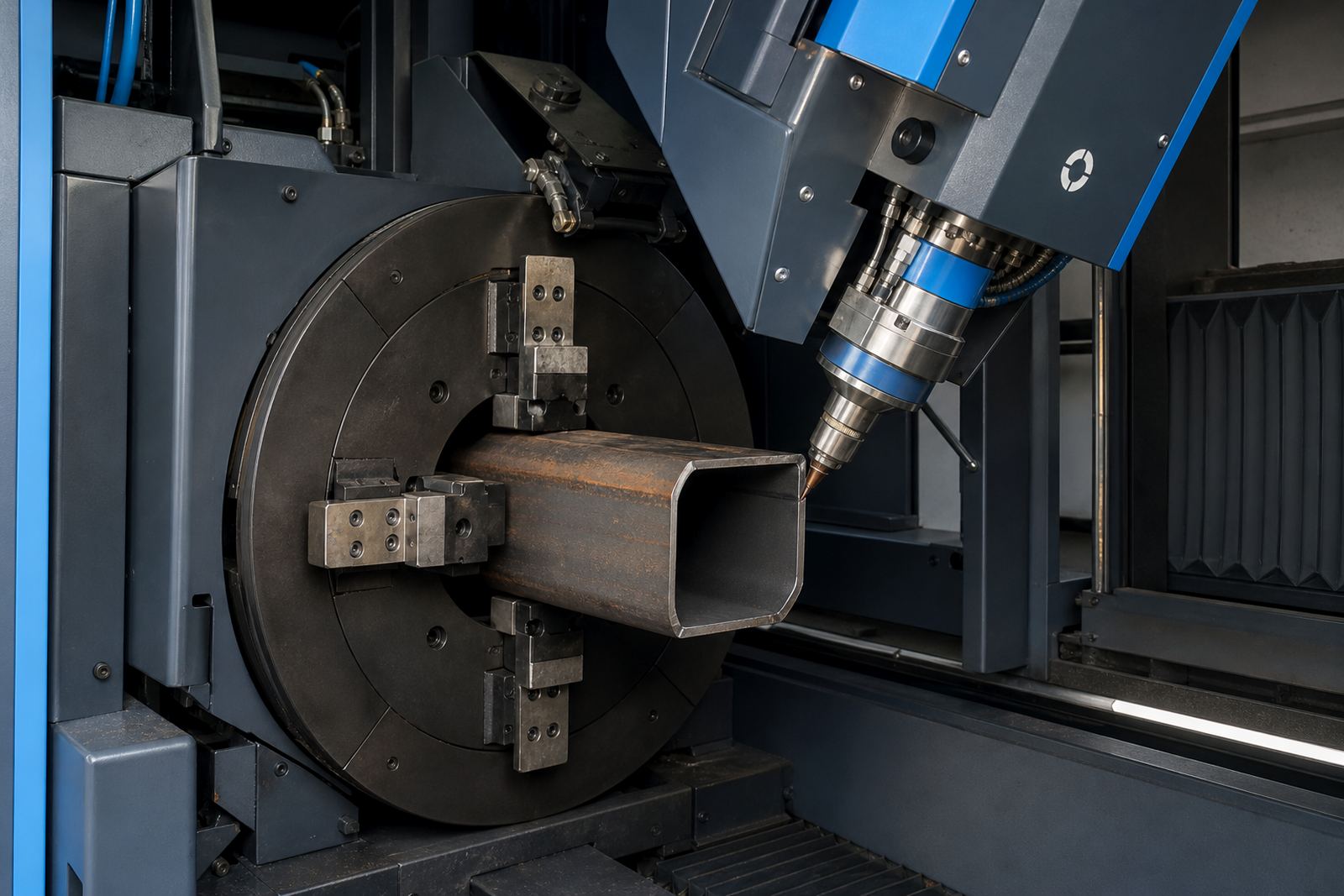
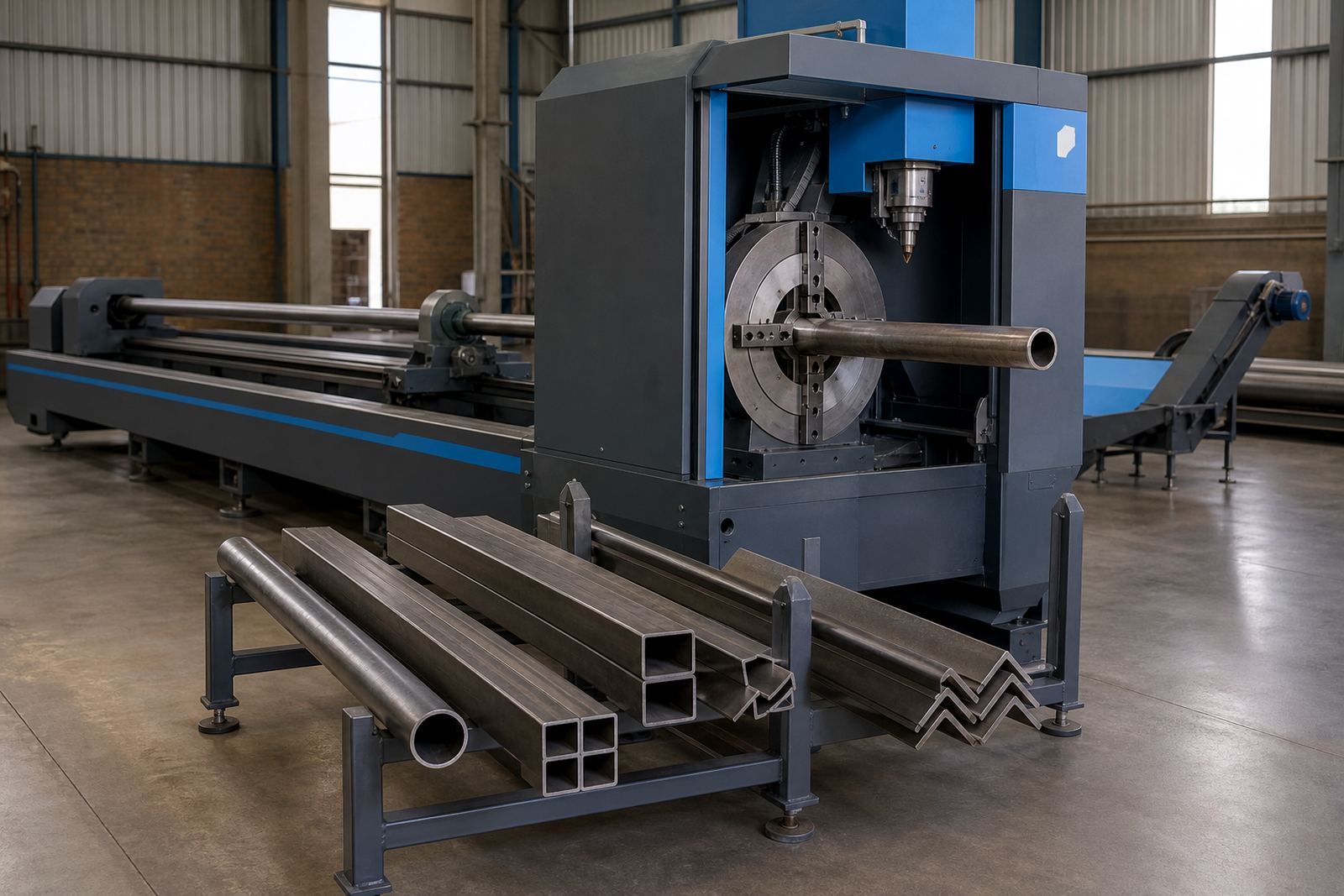
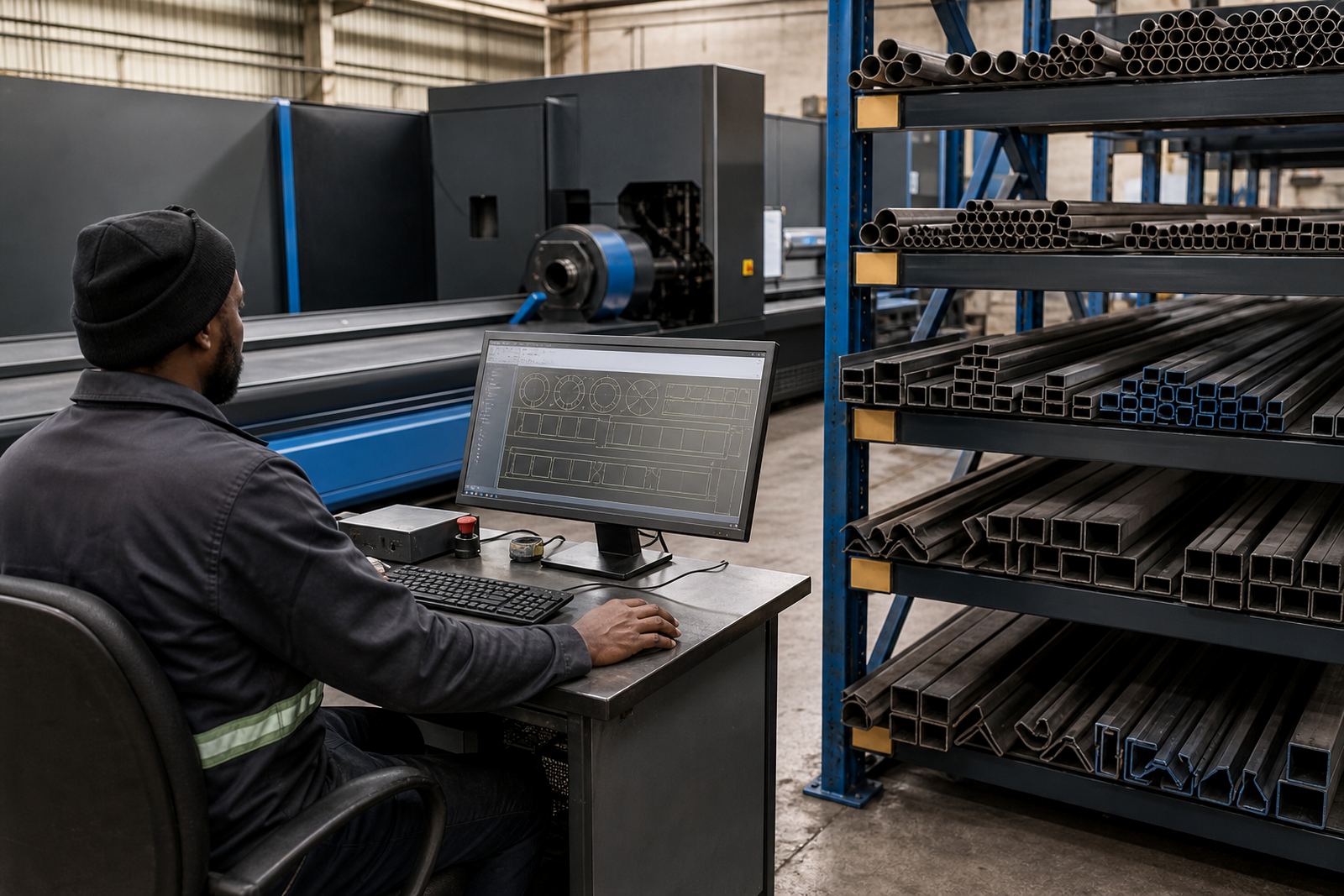
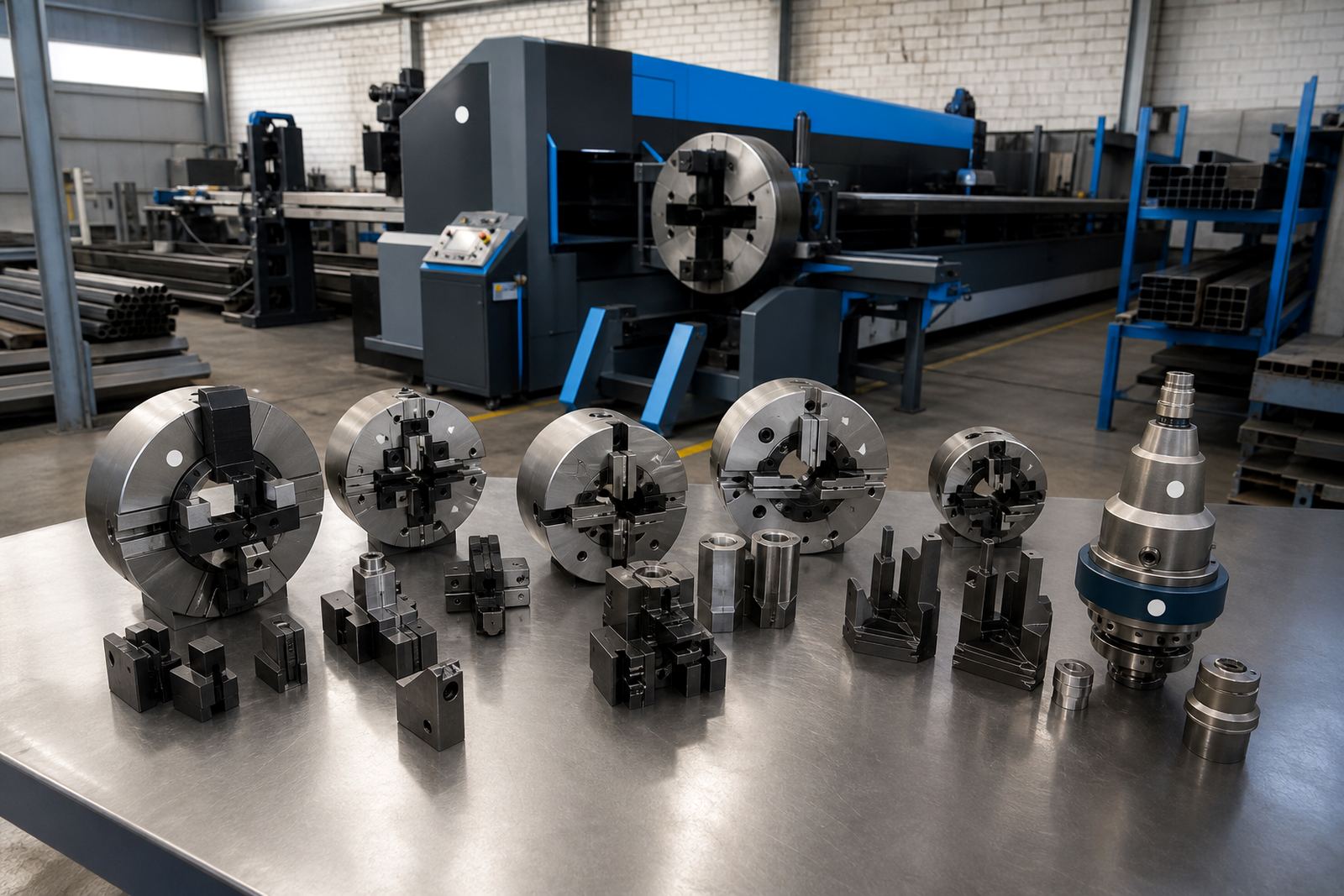
Tube work often calls for more than straight cuts. A machine may need rotary chucks, auto-centre clamping, bevel heads and nesting software that places parts efficiently along each length of stock.
- Round tube, square tube and rectangular section handling
- Angle and channel cutting where fit-up must stay accurate
- Bevel cutting for joints that need a cleaner weld prep
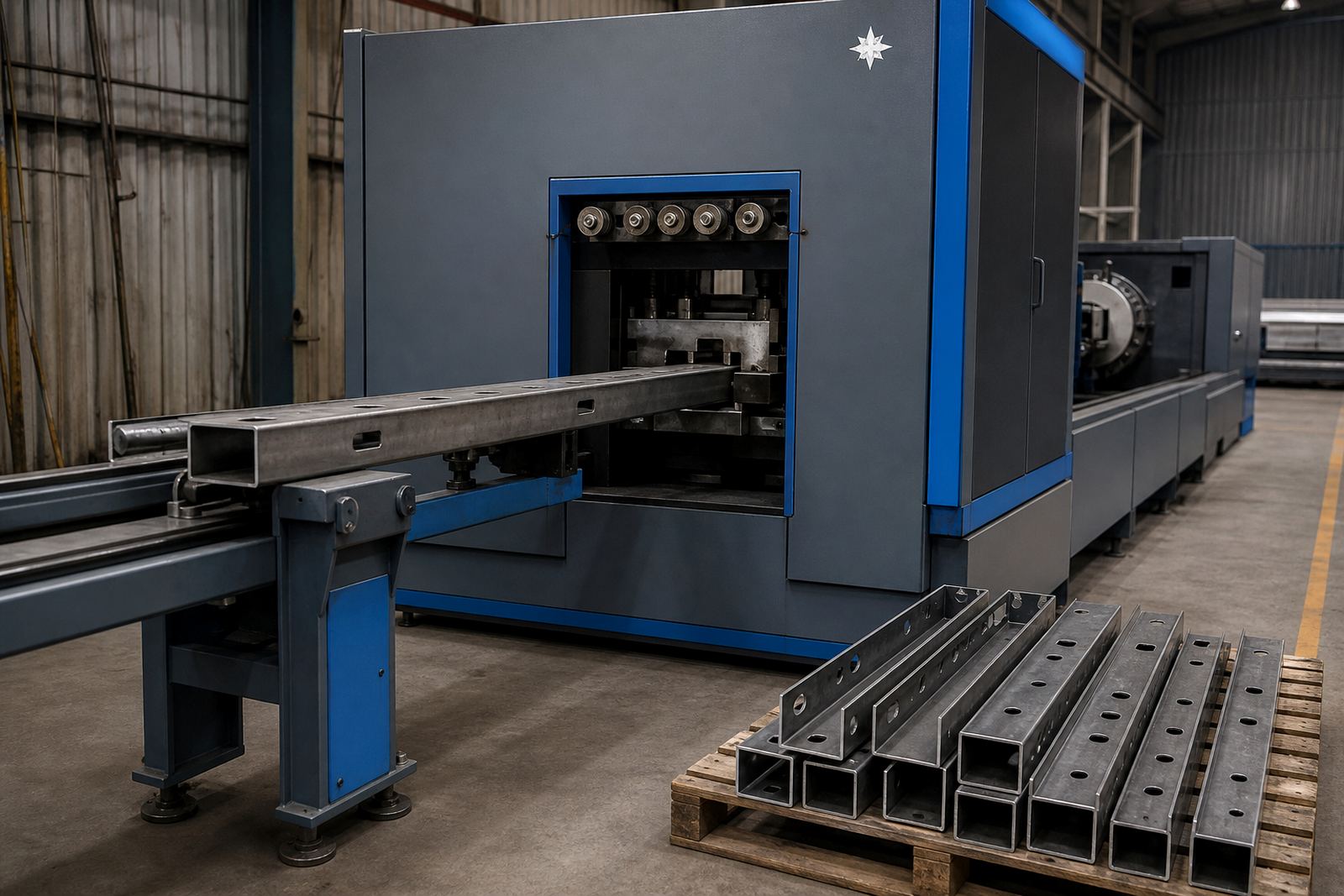
- Hole patterns, slots and notch detail in one setup
- Part nesting that helps reduce waste on full lengths
Picking the right setup for your floor
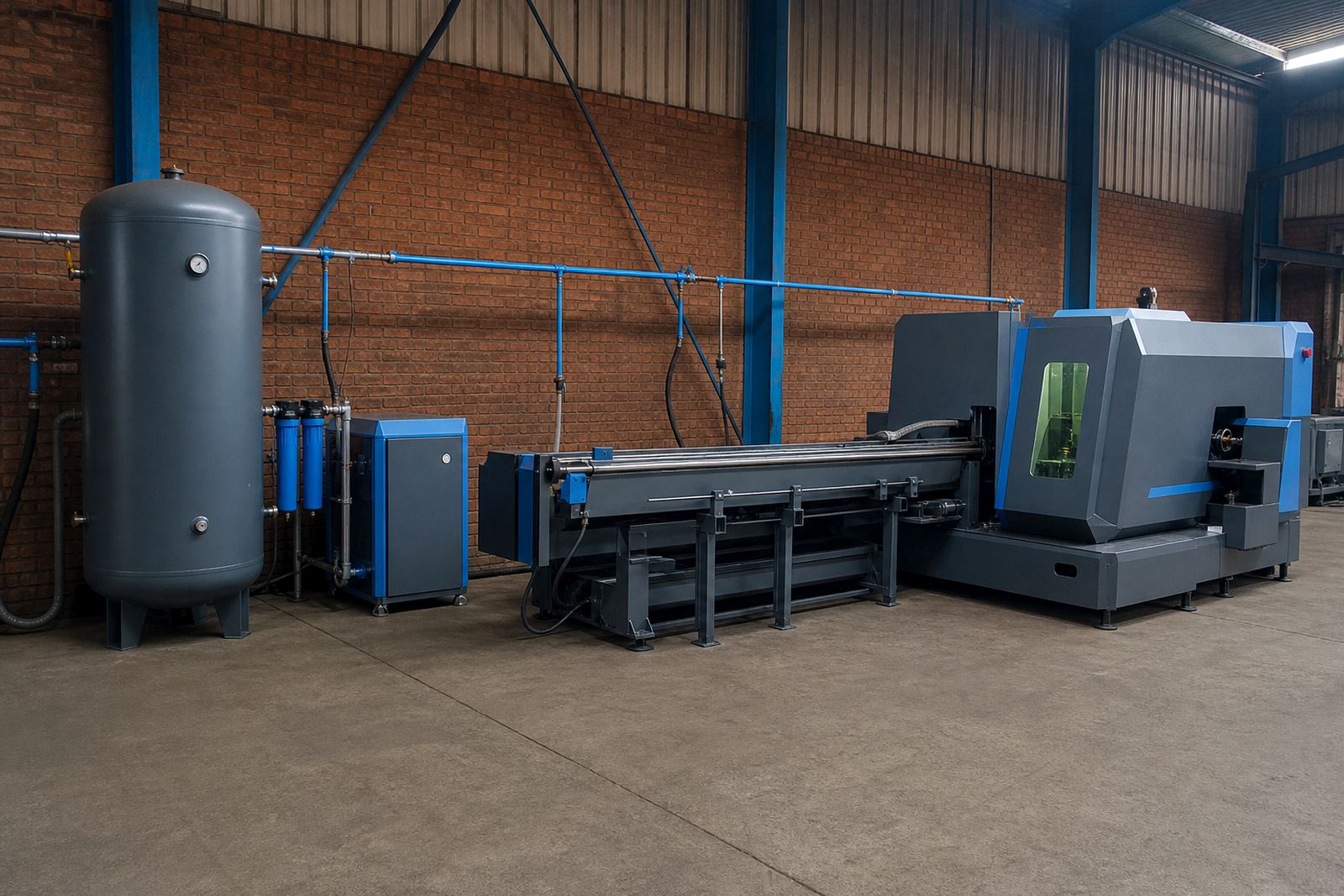
A good match starts with the material mix and the space available around the machine. Shorter runs and mixed part sizes may suit a more compact footprint, while a busy plant often needs infeed, outfeed and finished part handling that keep material moving without crowding the bay.
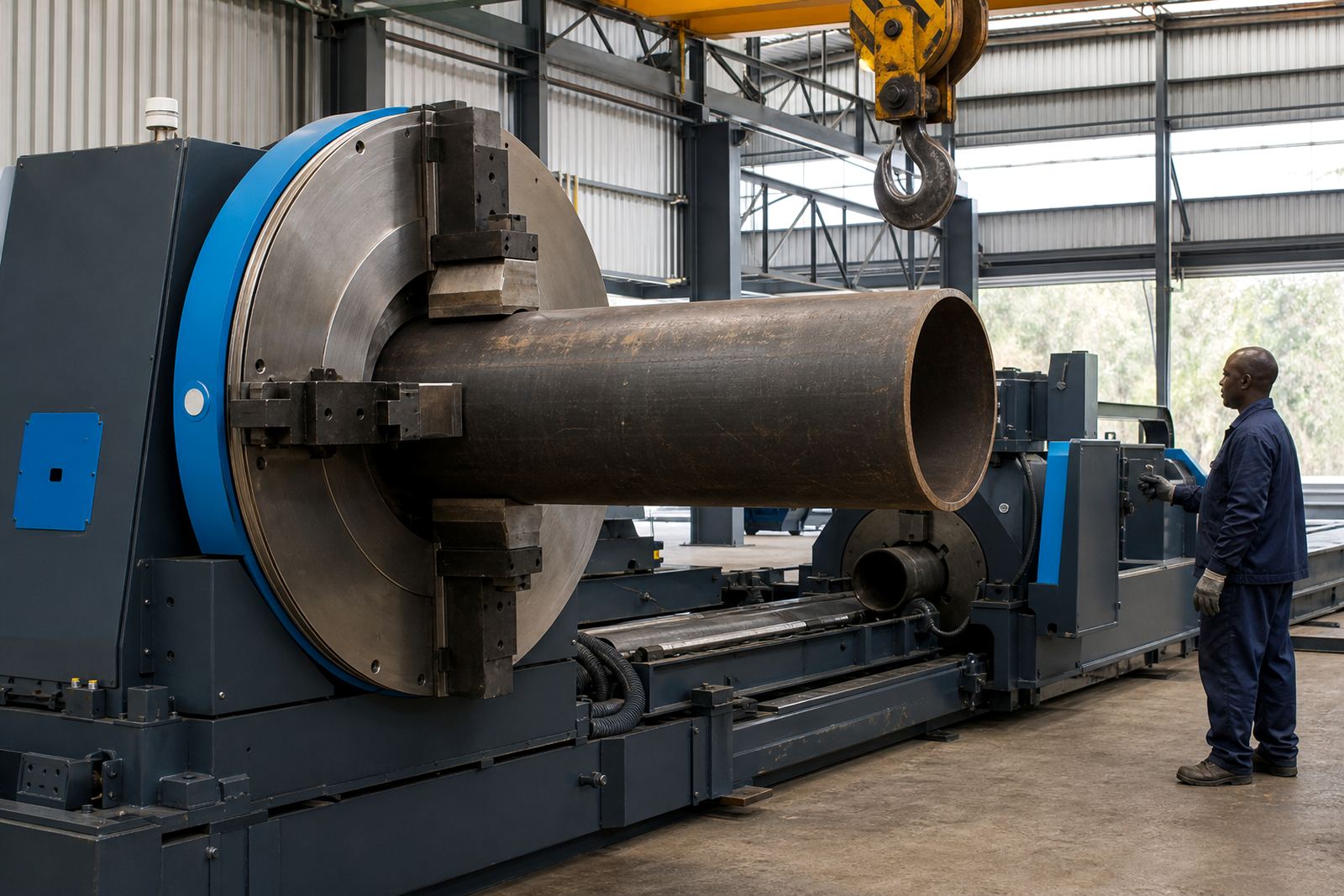
Wall thickness, bundle diameter and the longest stock length all matter when the machine layout is planned. If your work includes both structural tube and lighter section, the chuck system and clamping range need to suit both ends of the work mix.
- Workshop footprint and access for lifting gear
- Stock length and the way tube arrives on site
- Material mix, from light section to heavier profiles
- Need for bevel work or straight-end cutting only
Assist gas, edge quality and cut control
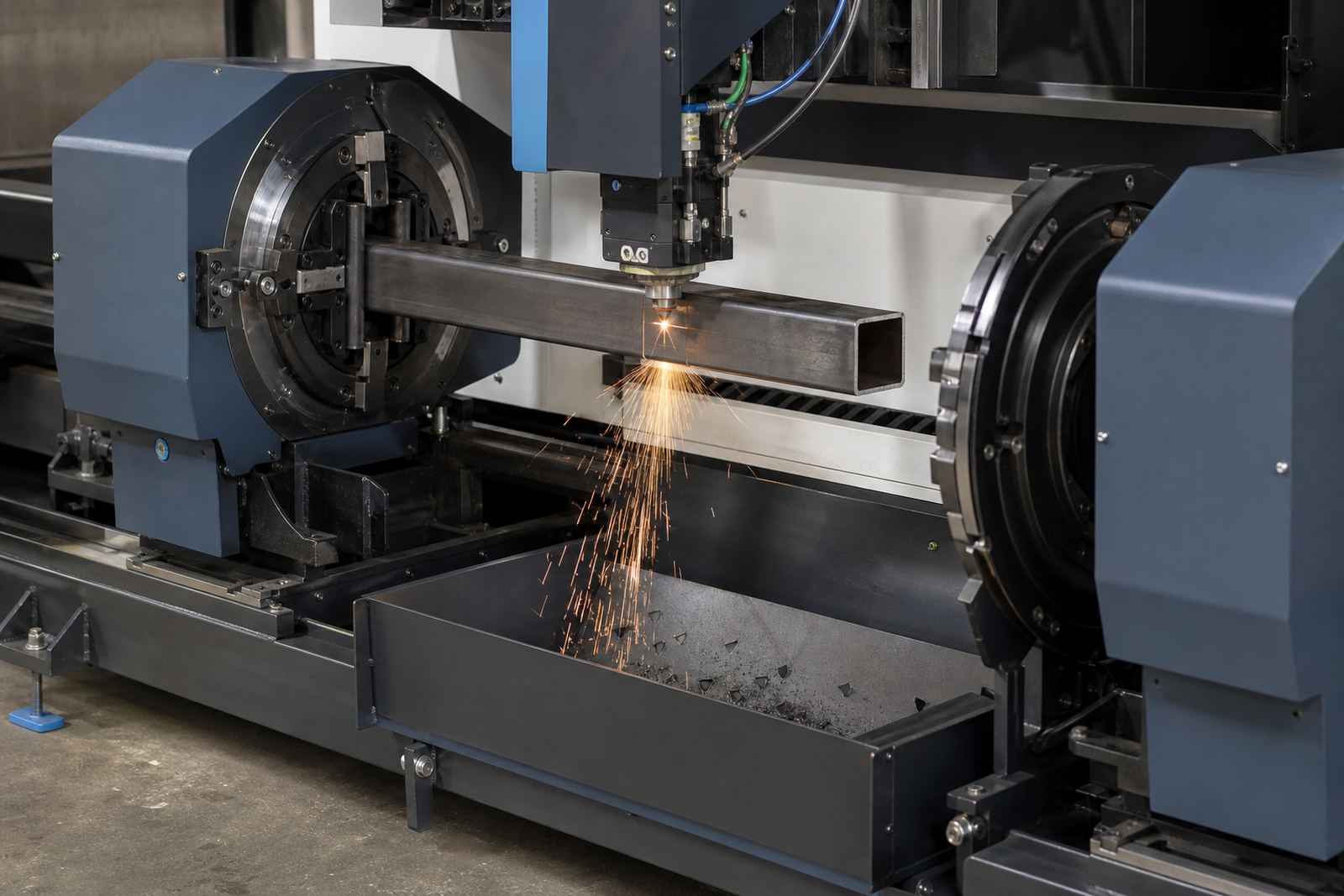
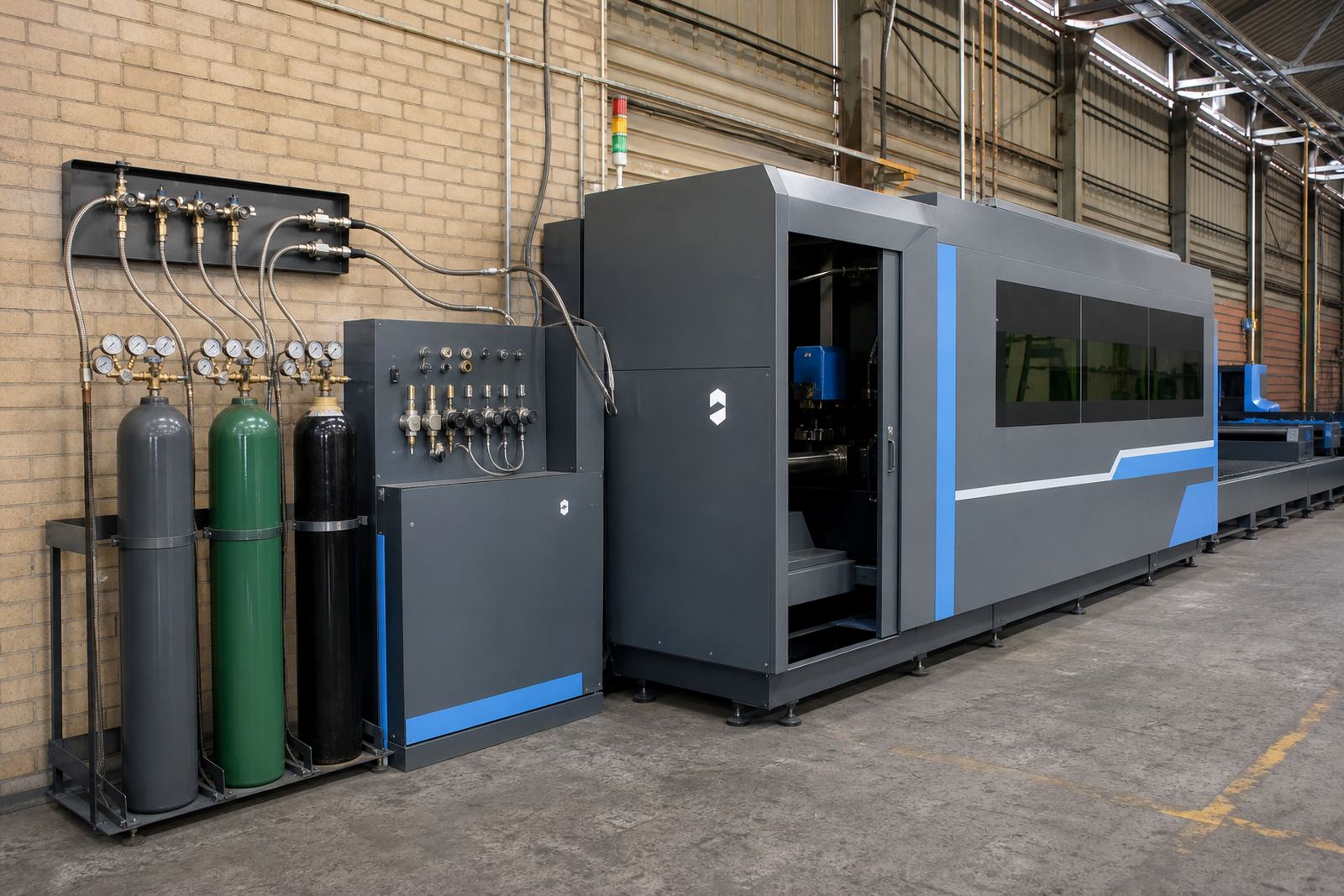
Assist gas choice affects cut finish, dross formation and the way small details hold their shape. Different materials and thicknesses call for different gas settings, nozzle choices and pressure control, so the setup needs to suit the work rather than the other way round.
Stable gas delivery, clean nozzles and correct focus settings help the machine hold a consistent edge on tube, angle and channel. Where the job calls for precise part fitment, the machine settings and nesting layout need to work together from the start.
Installation, training and machine care
LaserTube supports installation, commissioning and operator training for fabricators across South Africa, with work carried out from Wadeville, Germiston. The handover covers machine setup, basic operation, nesting practice, chuck alignment, bevel calibration and assist gas setup.
Ongoing care helps protect cut quality and machine life. Preventive maintenance, breakdown response and remote diagnostics are part of keeping the machine in working order, especially where production schedules leave little room for avoidable stoppages.
- Site assessment before machine placement
- Delivery rigging for large equipment moves
- Operator training and nesting training
- Preventive maintenance and service support
- Chuck alignment and bevel calibration
South African coverage from Wadeville, Germiston
The base in Wadeville places the team close to Johannesburg industry, with support extended to Pretoria, Durban, Cape Town, Gqeberha, Bloemfontein and Nelspruit. That matters when a fabricator needs site work, commissioning or service support on machines that sit inside a busy production schedule.
Michael Dlamini leads the business, with Anika Kajee on sales, Sibusiso Bhengu on installation, Leanne Mabuza on training, Pieter Visser on service and Ayanda Mashaba on applications. The team works with shops that need a first tube laser and plants that are looking for a heavier production setup.