

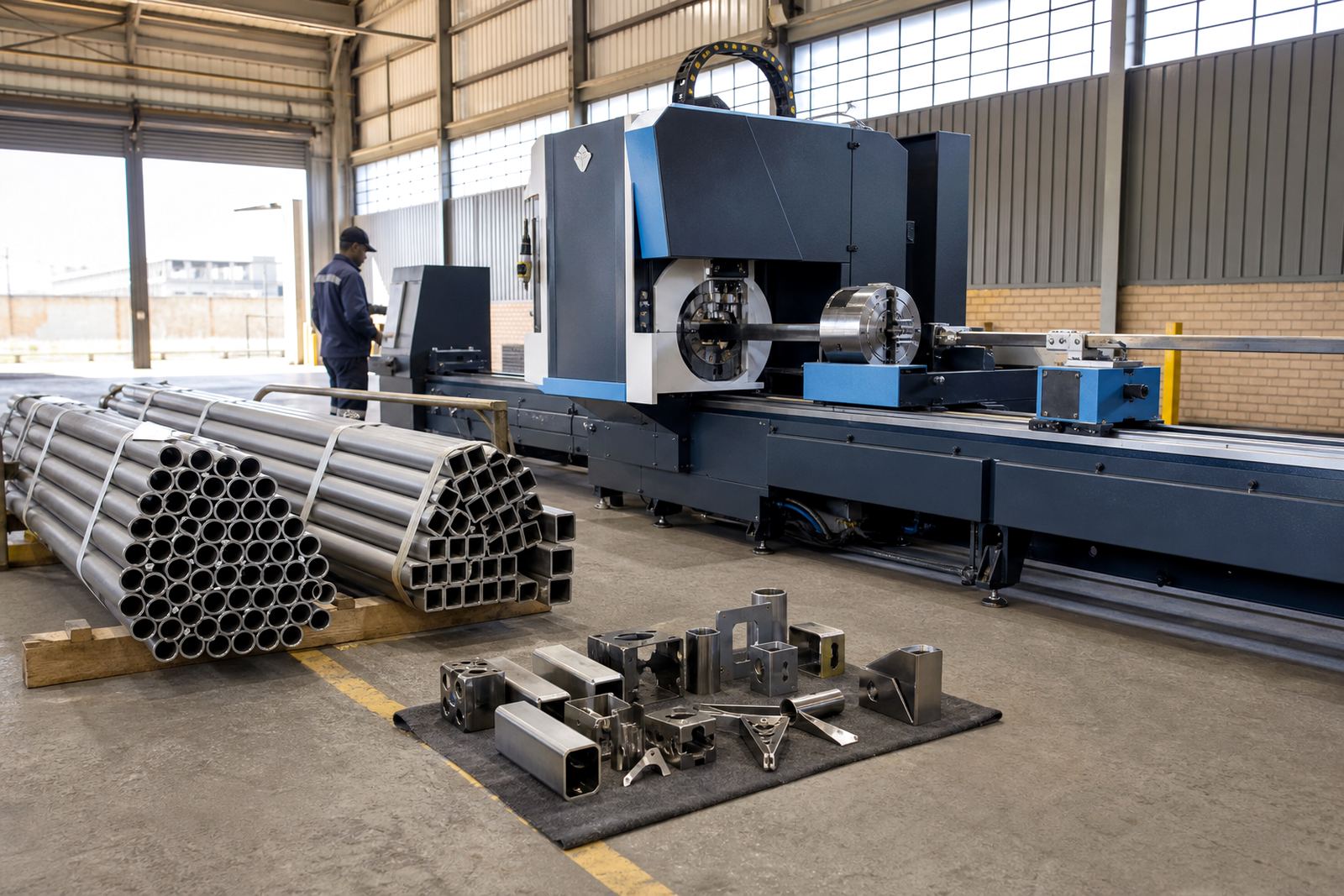
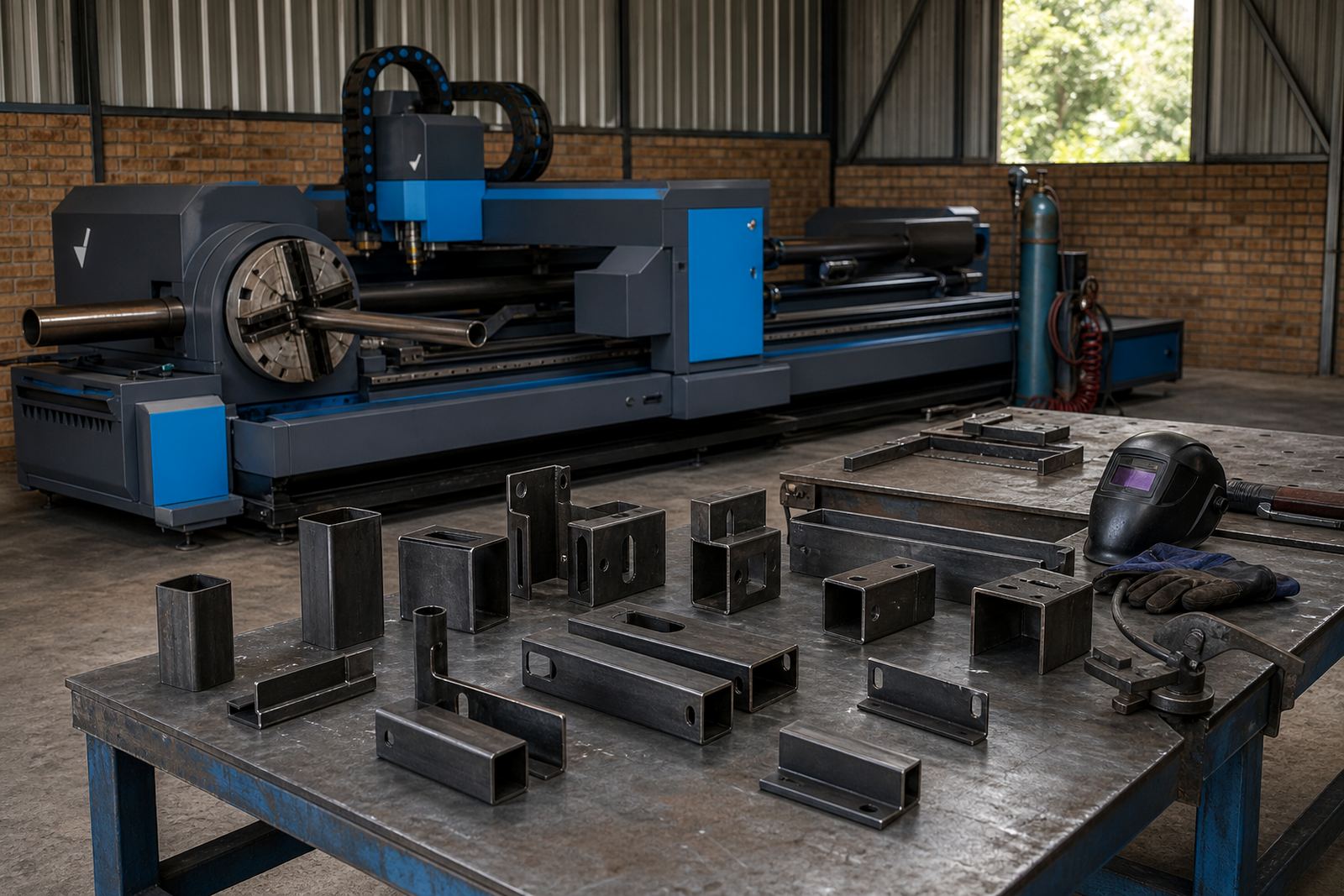
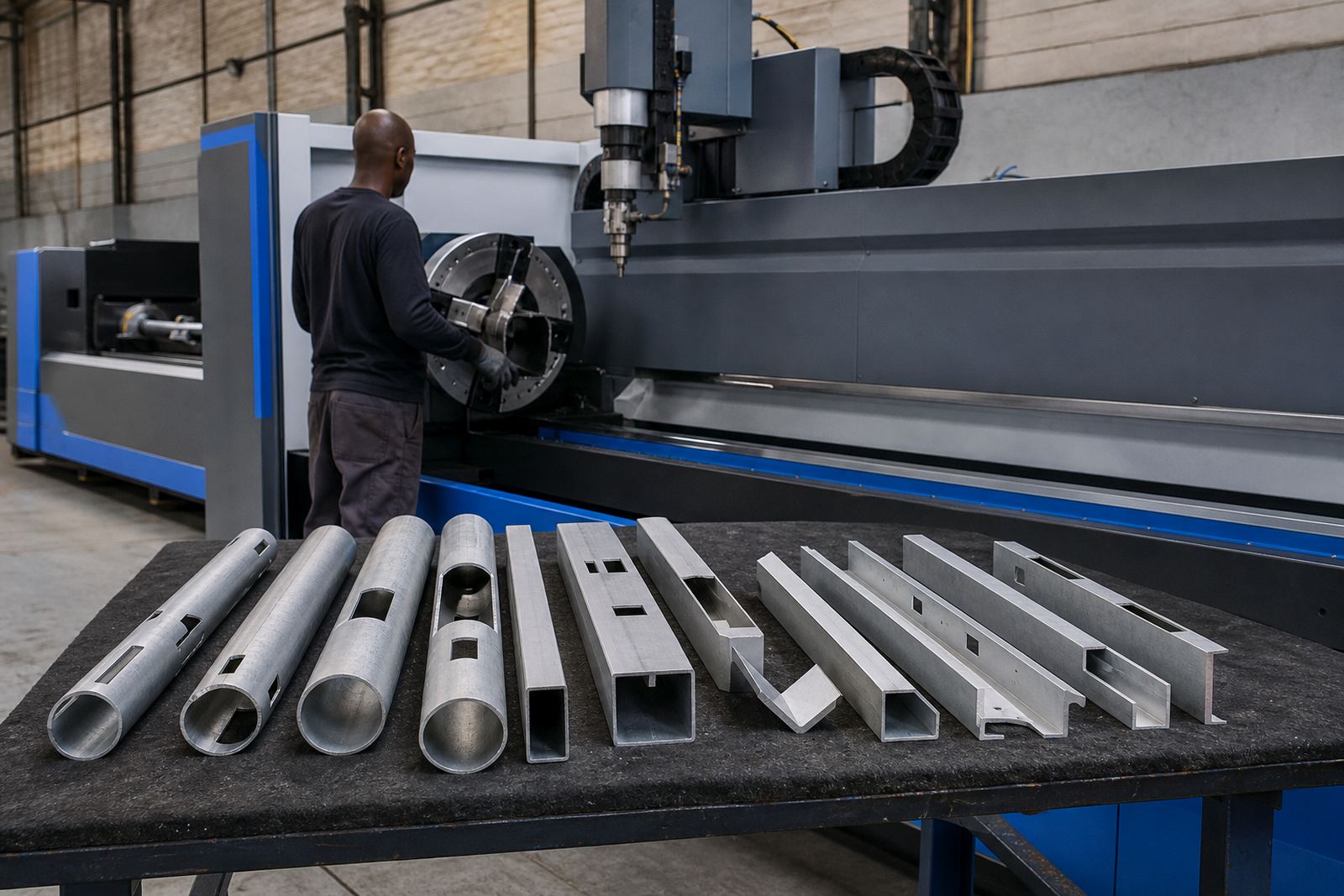
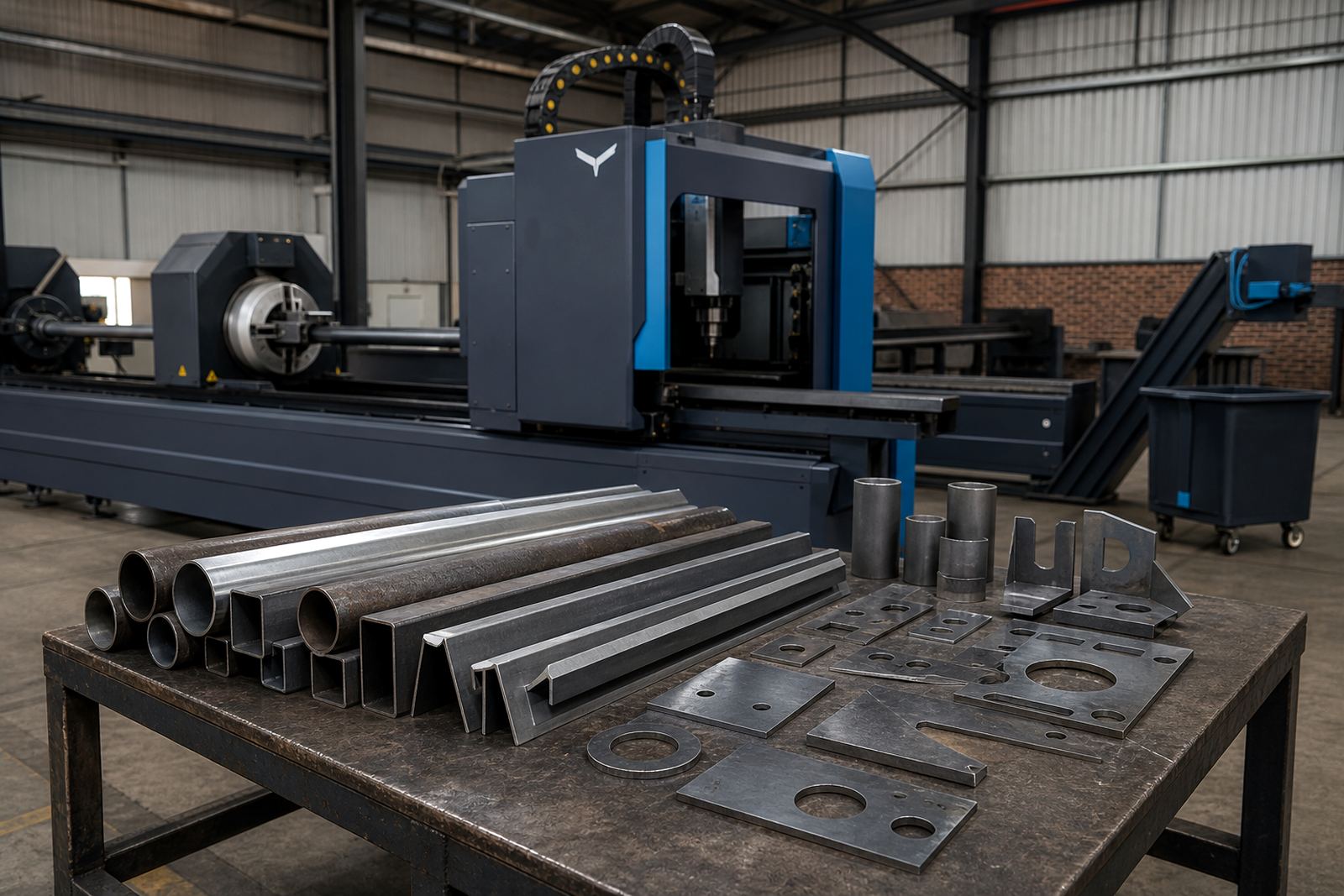
Tube and profile jobs call for different machine choices
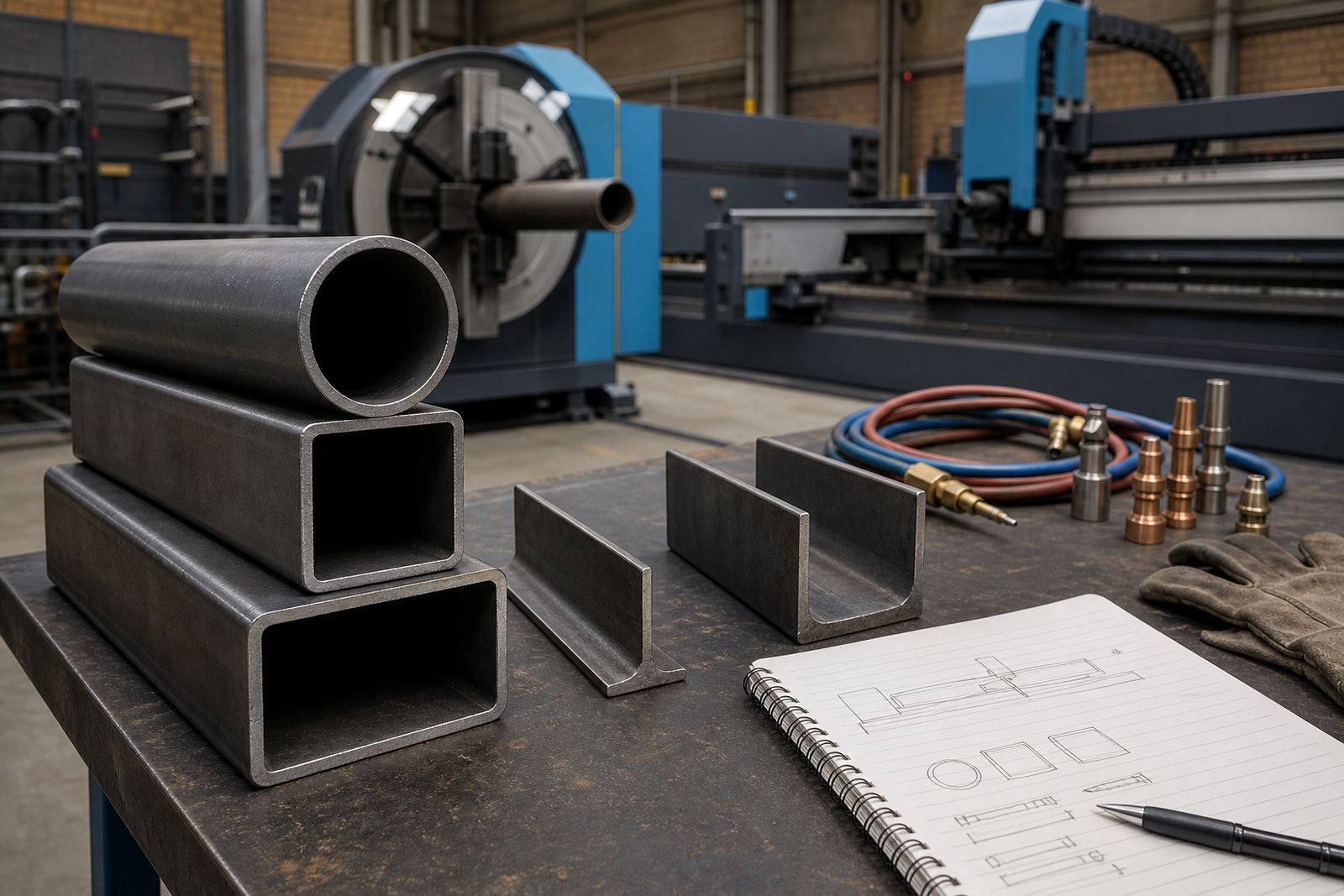
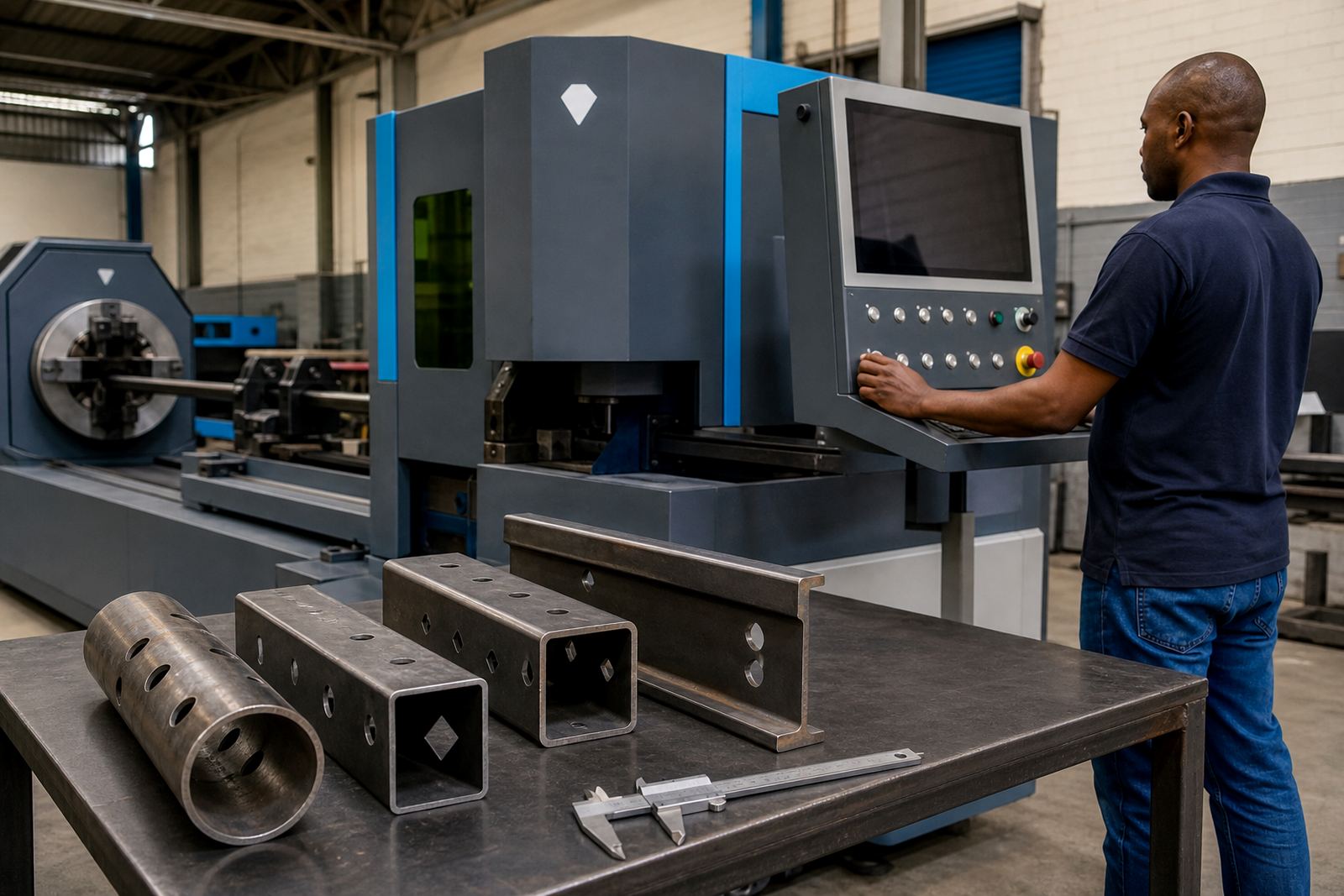
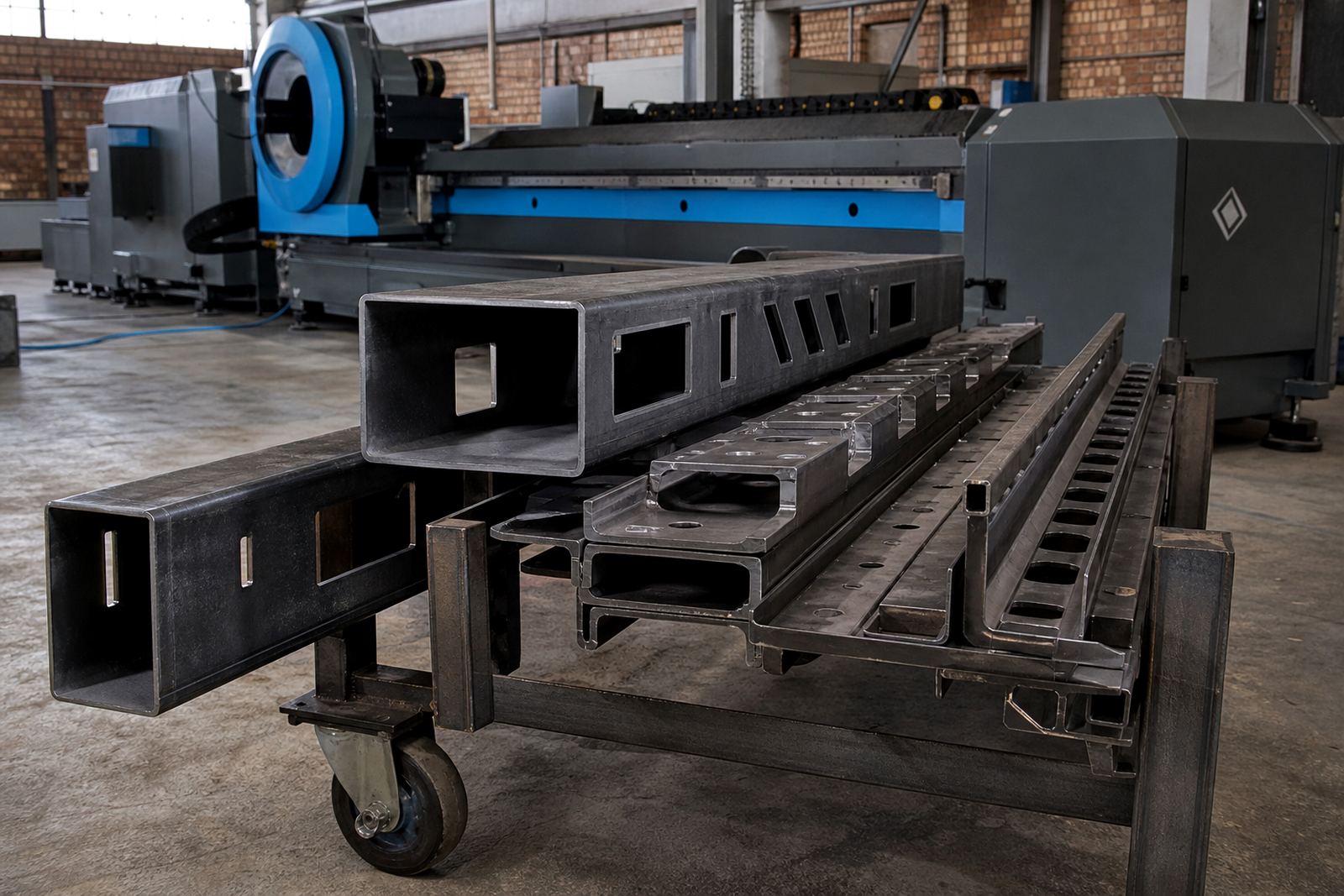
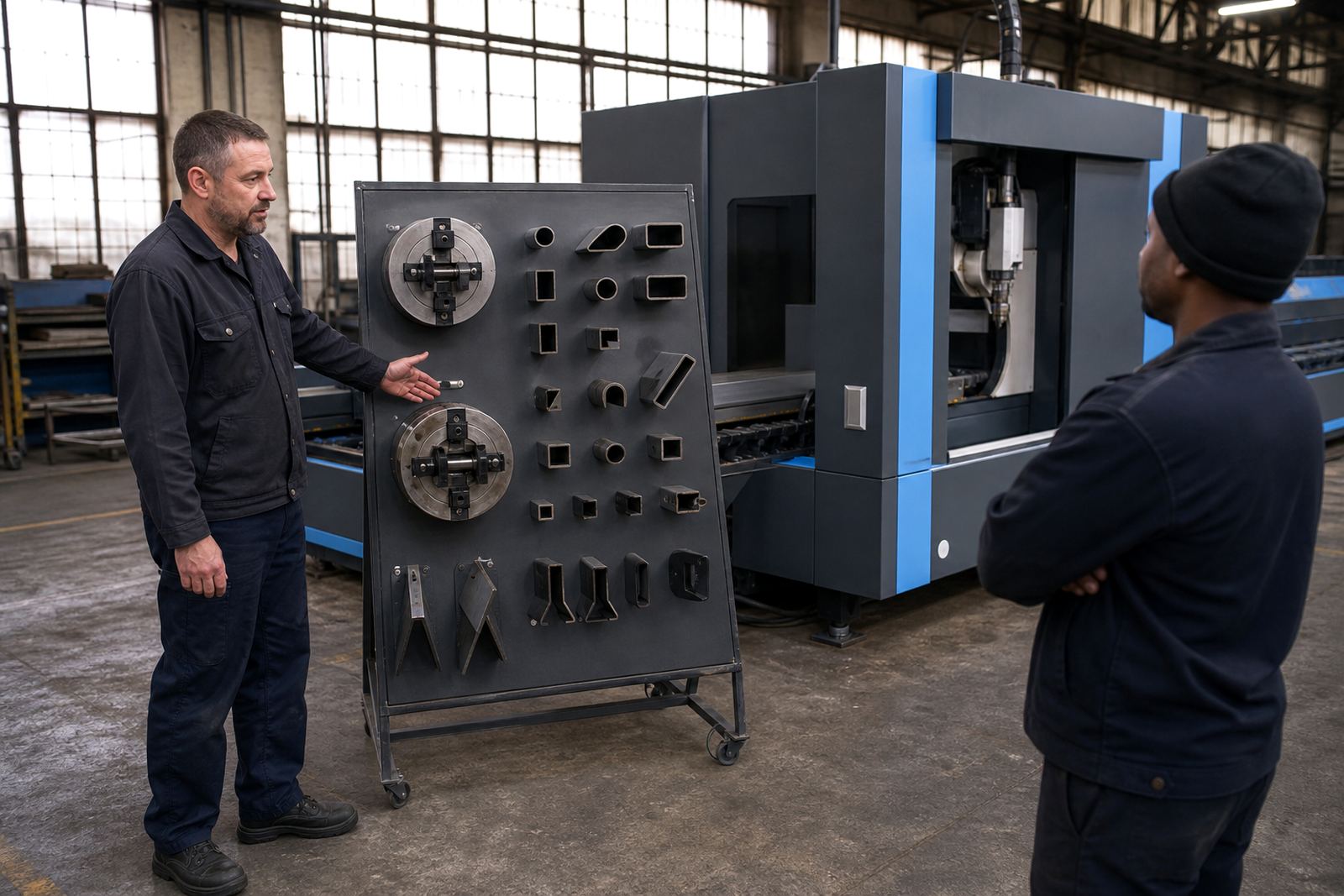
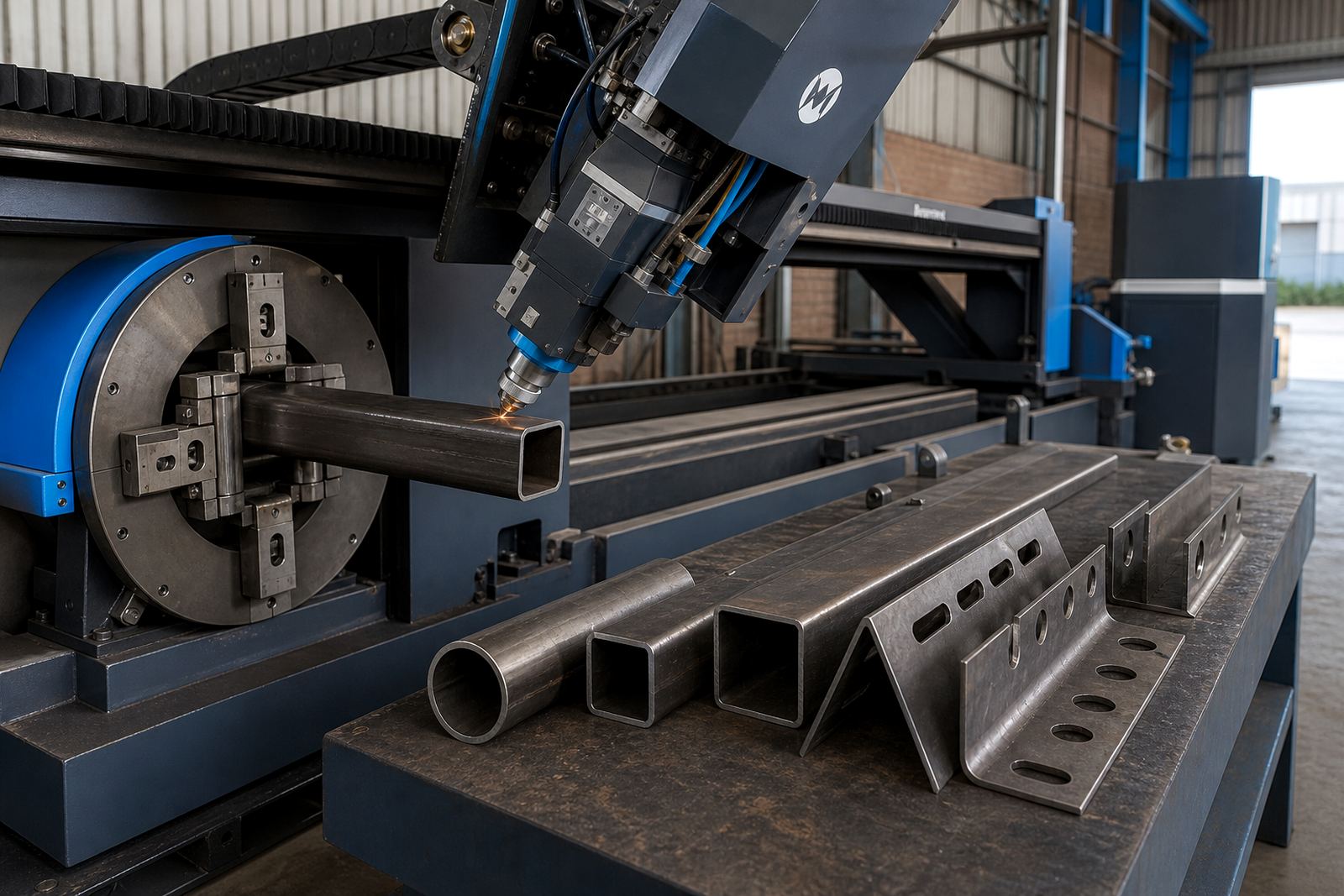
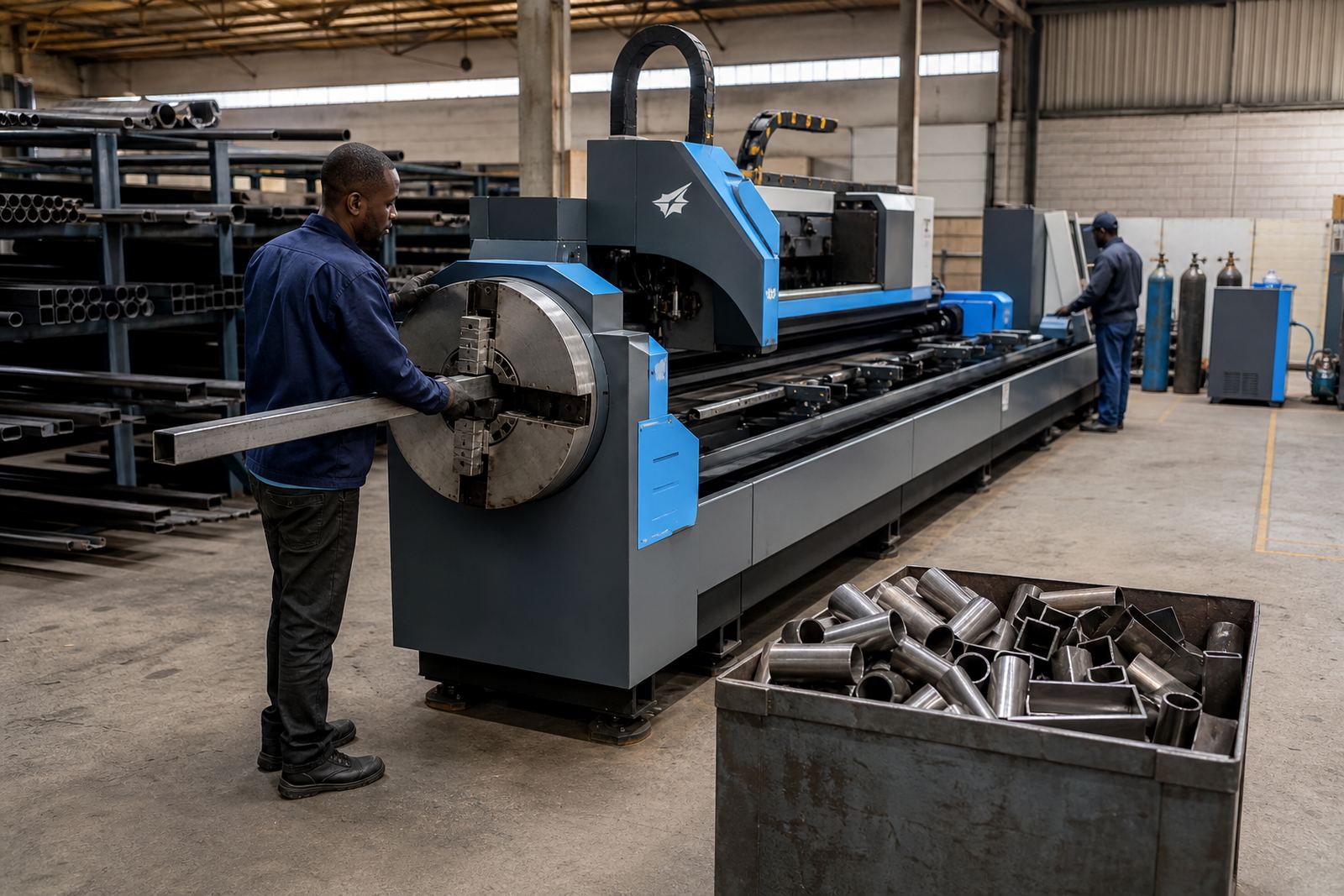
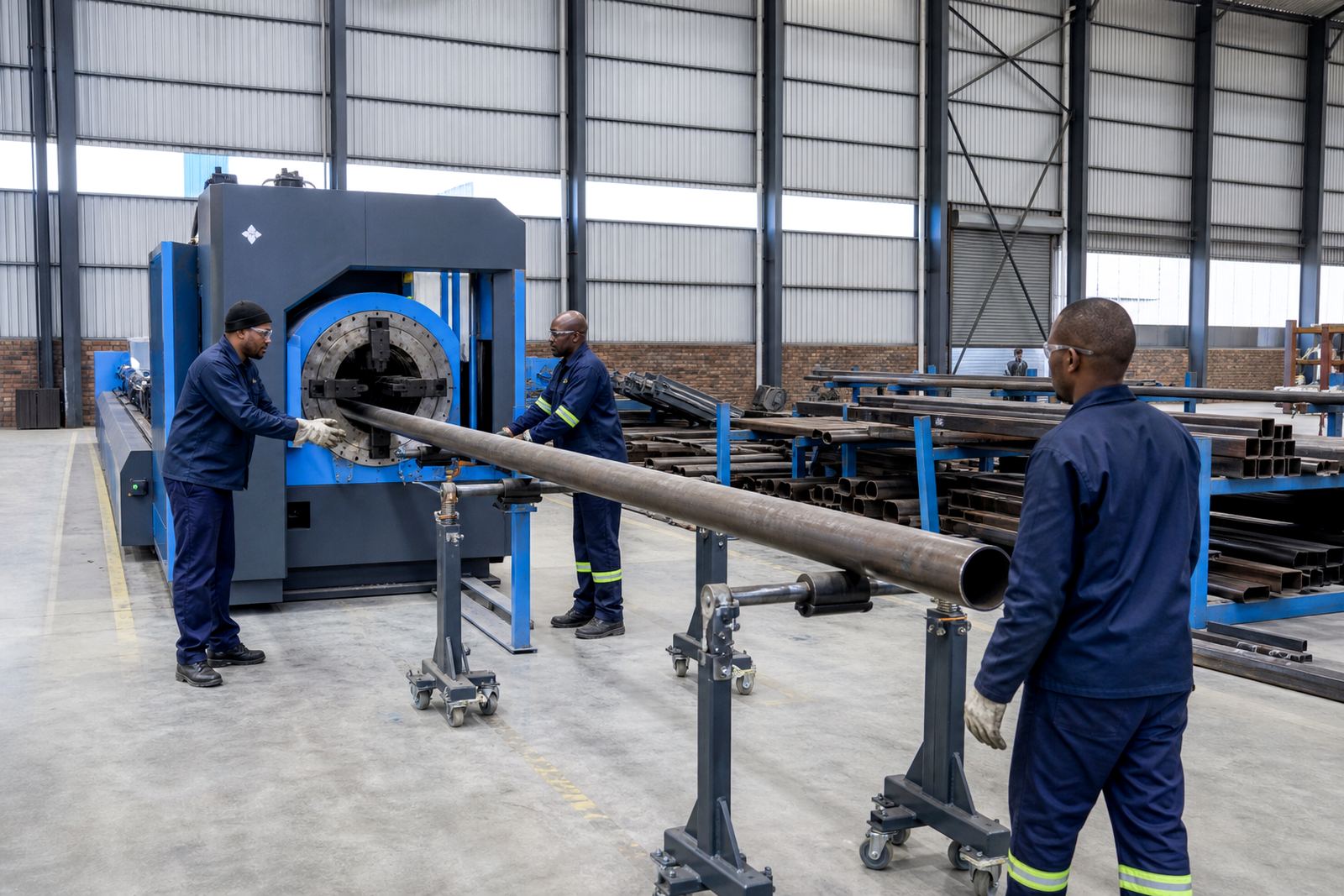
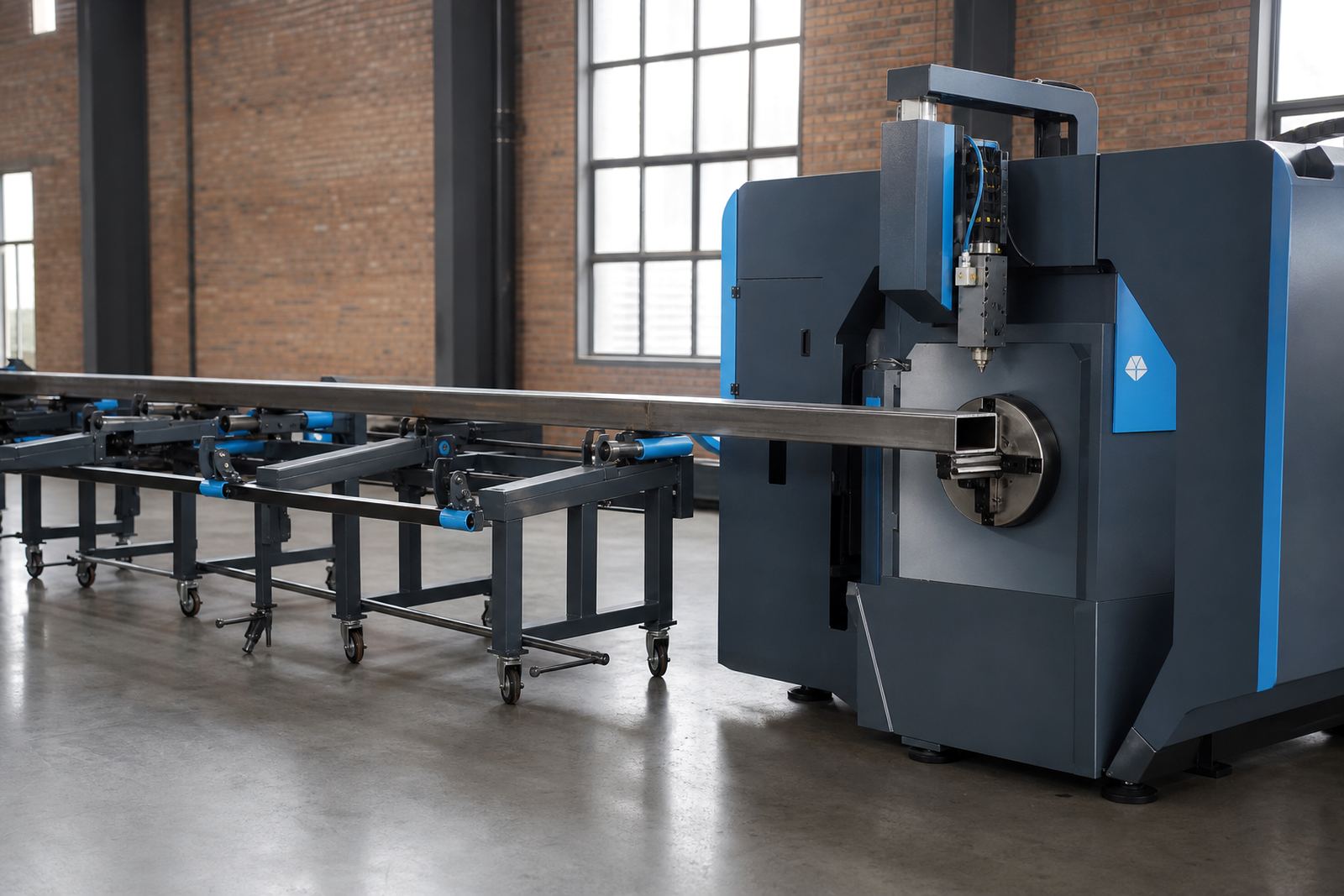
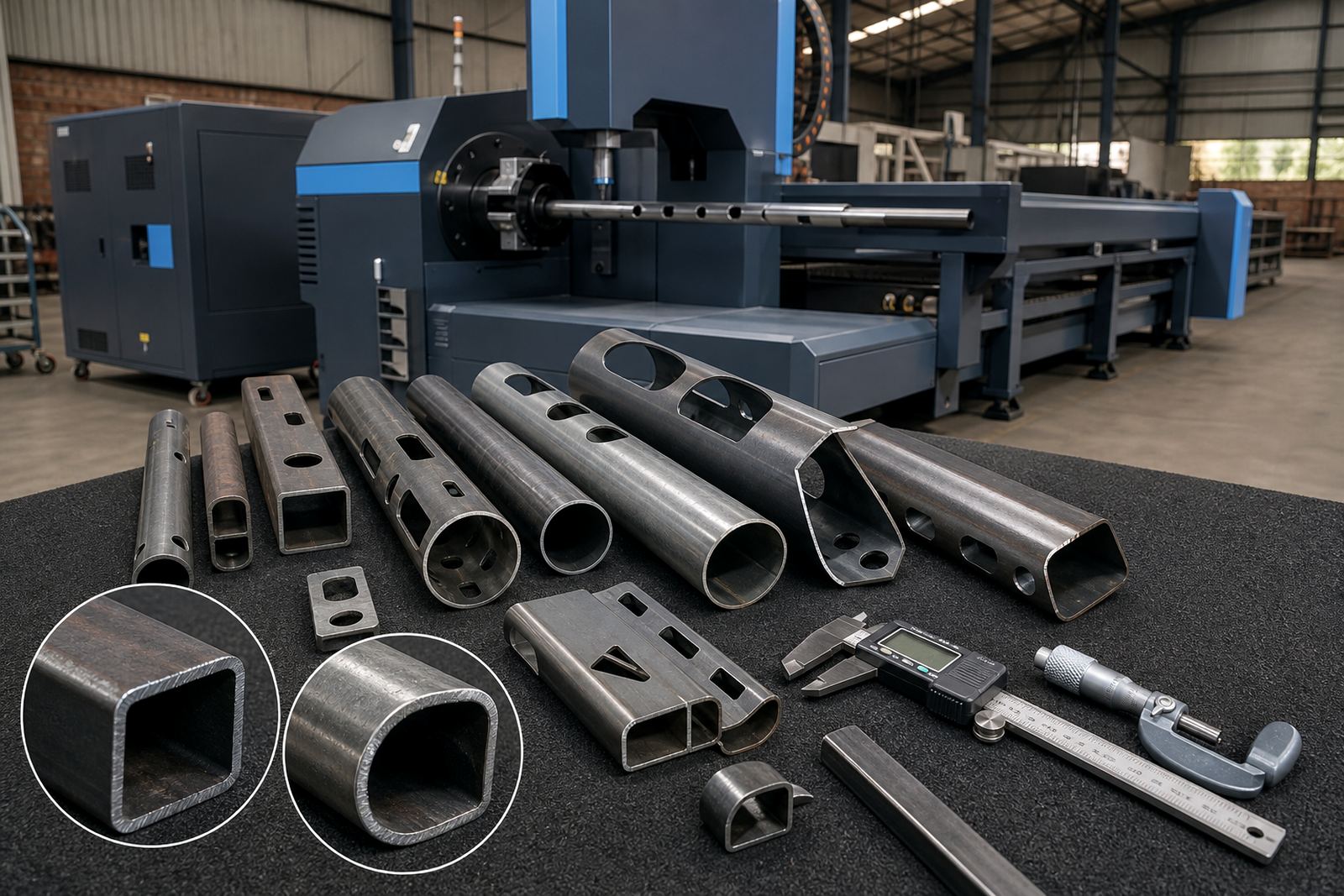
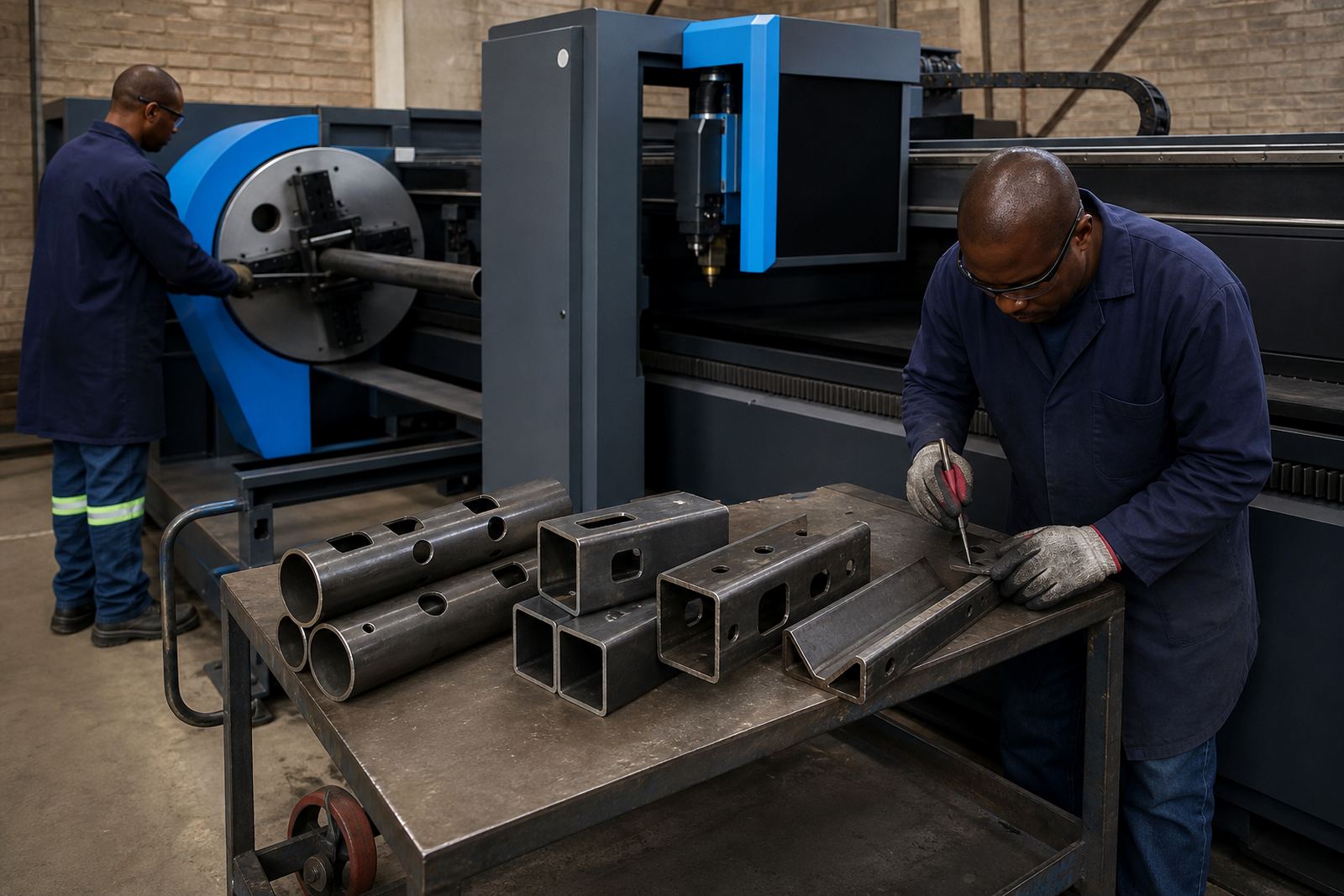
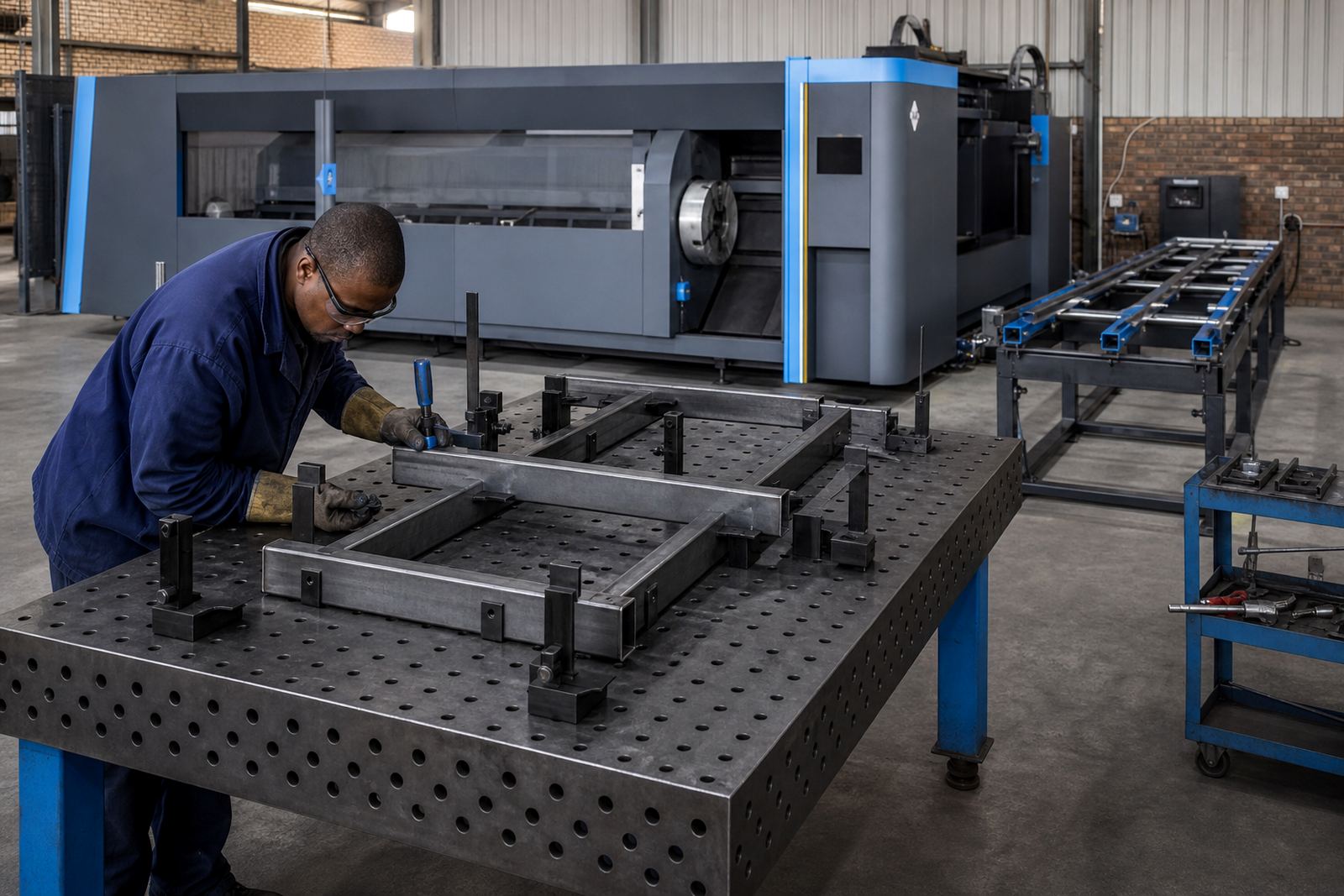
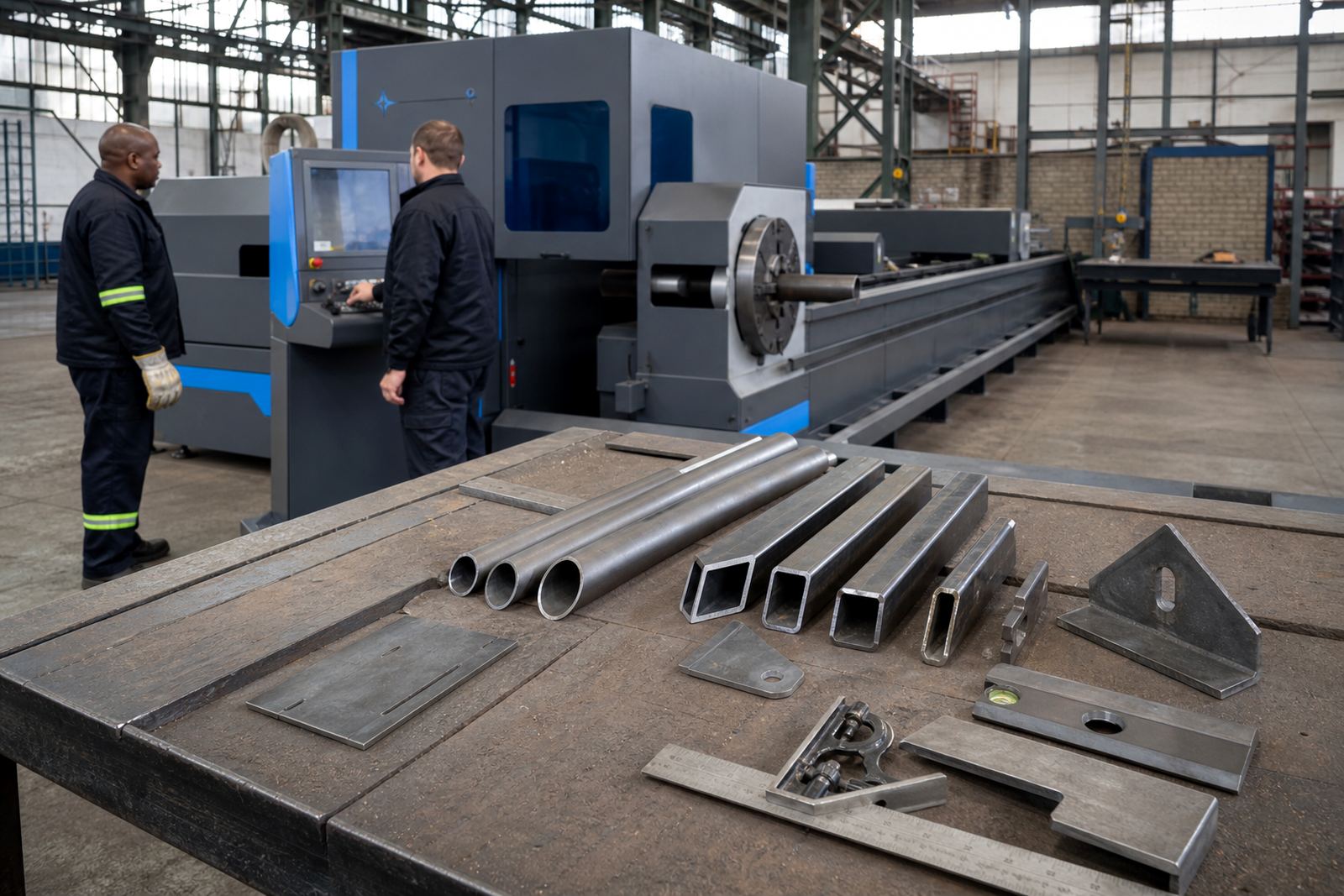
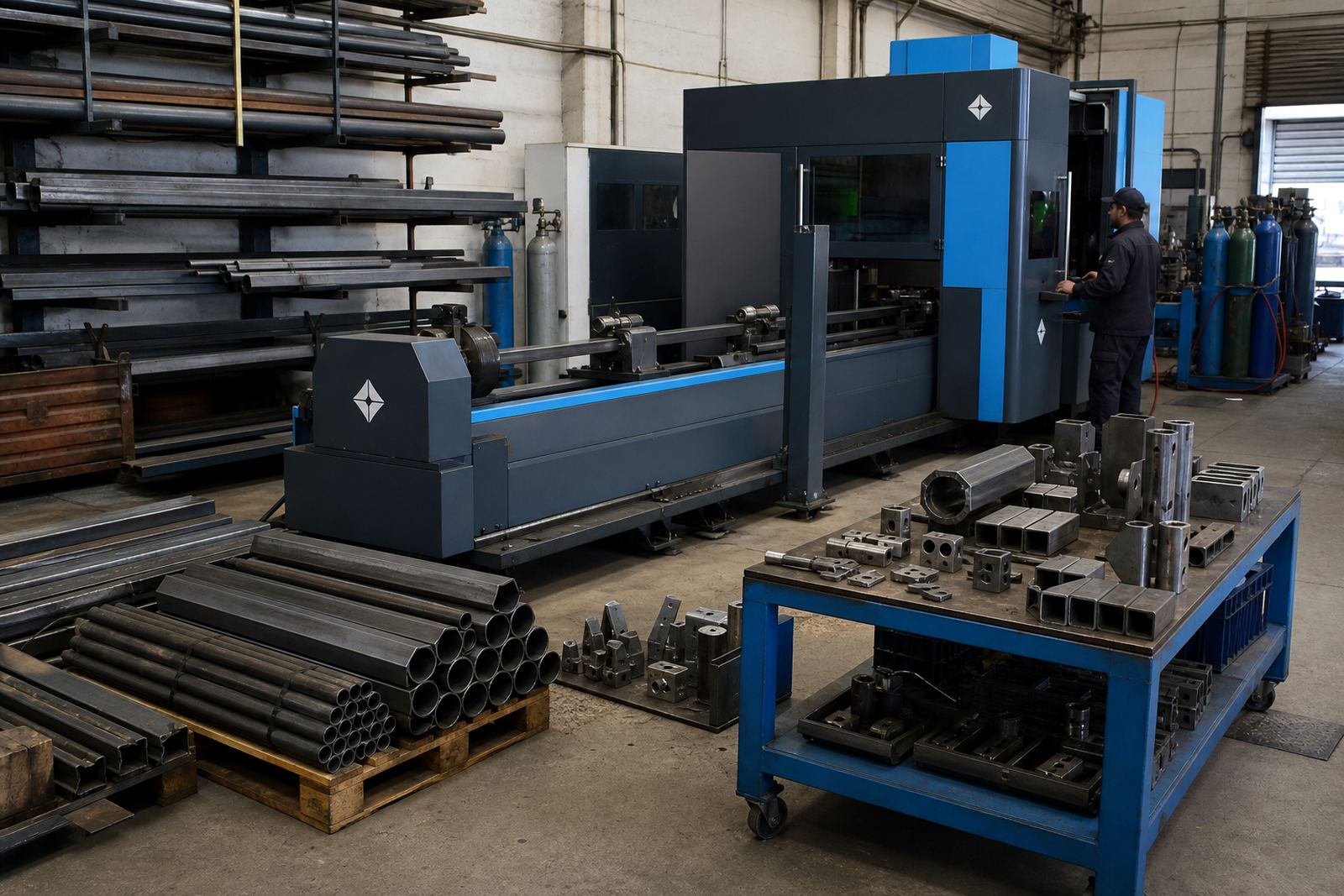
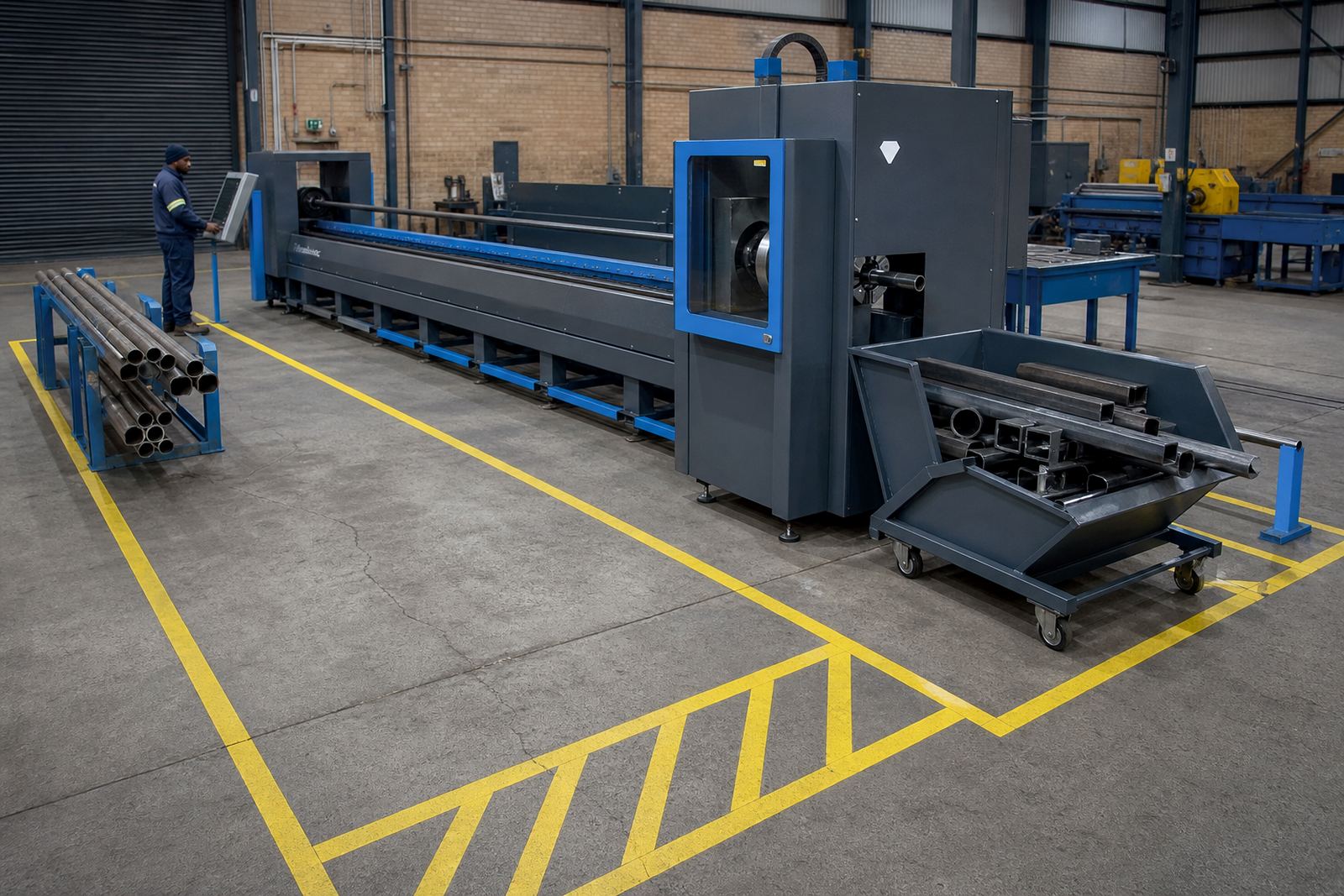
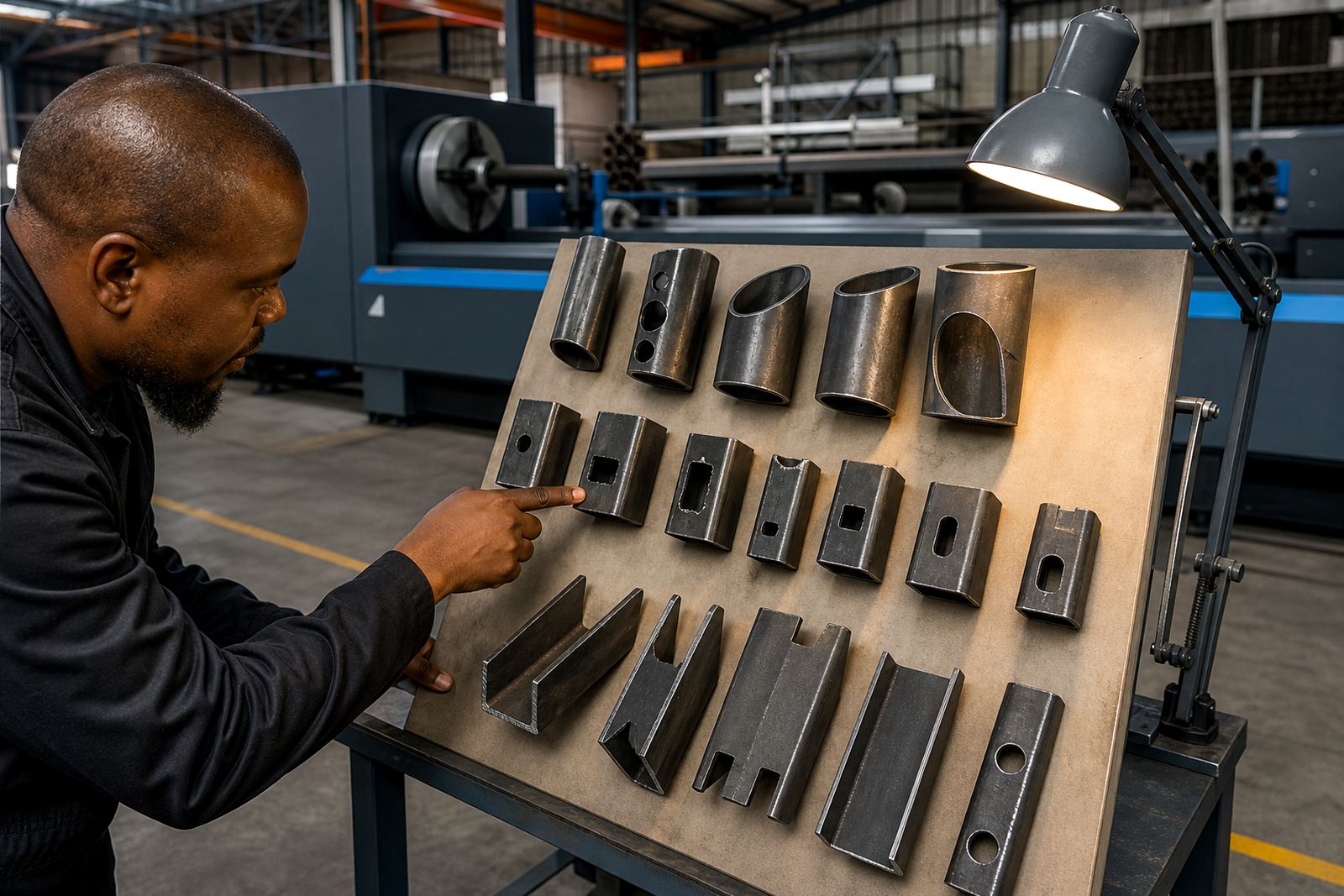
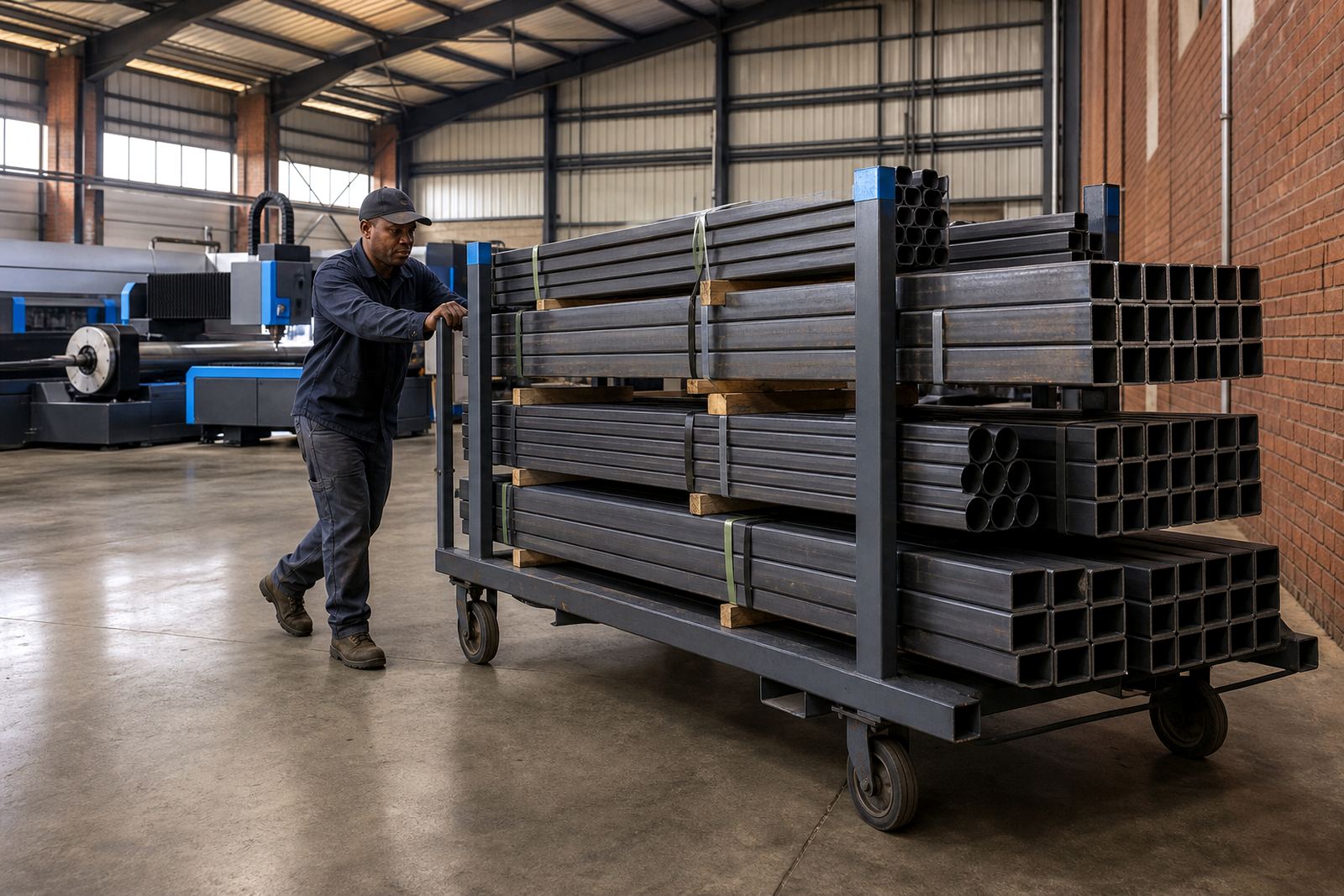
Tube cutting is not only about making a clean cut. A shop handling handrails, frames, gates, truck parts or agricultural structures needs to think about loading length, finished tolerances, part mix and how much bevel work shows up in the drawings. Round tube, square tube and rectangular tube all behave a bit differently in the chuck, while angle and channel need careful clamping so the profile stays true through the cut.
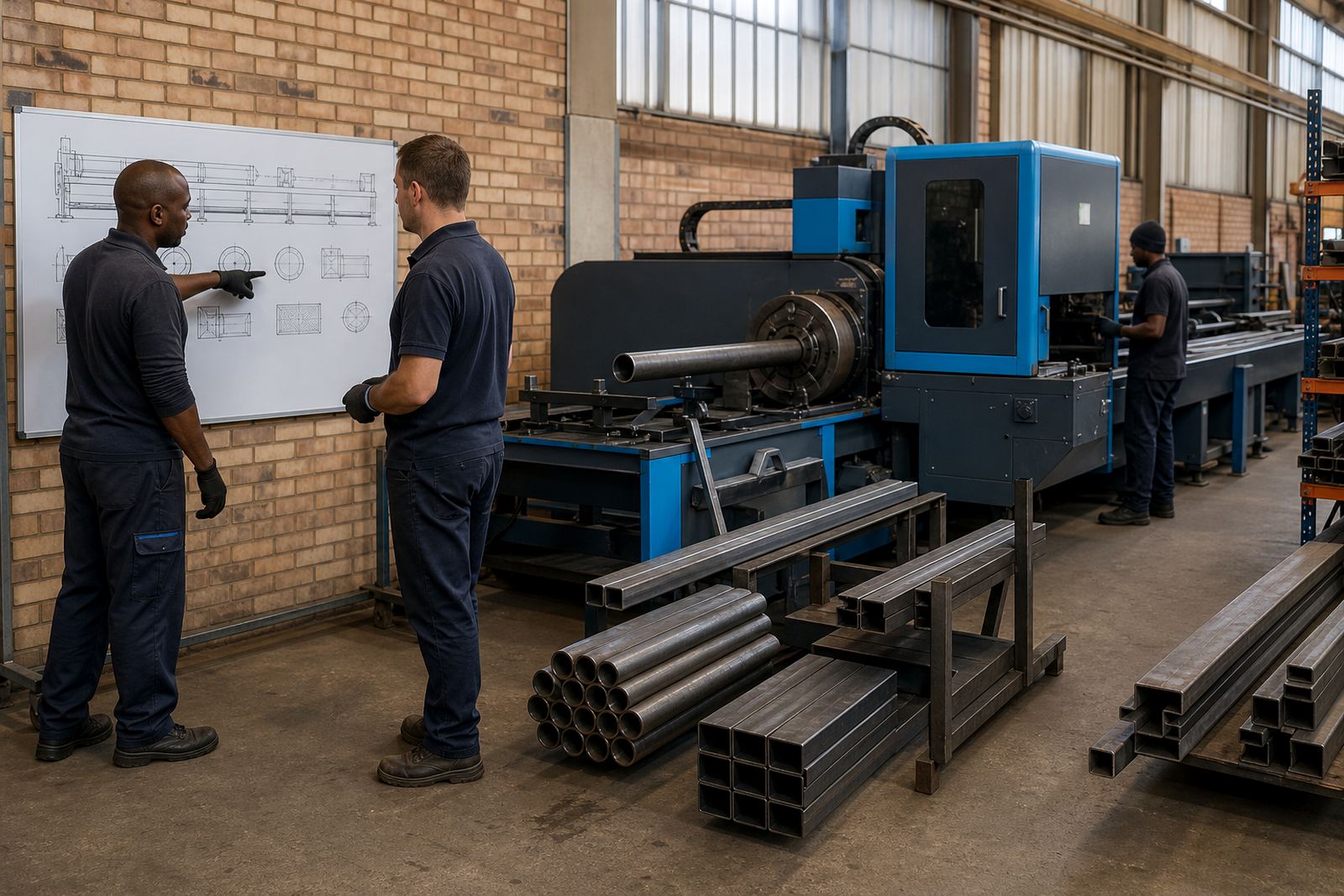
For smaller workshops, a compact machine with a steady chuck and sensible loading space may suit the daily work. A production plant often needs faster changeover, stronger support for long sections and clearer control over job nesting. The choice is usually shaped by the shapes you cut most often, not the longest item on the list.
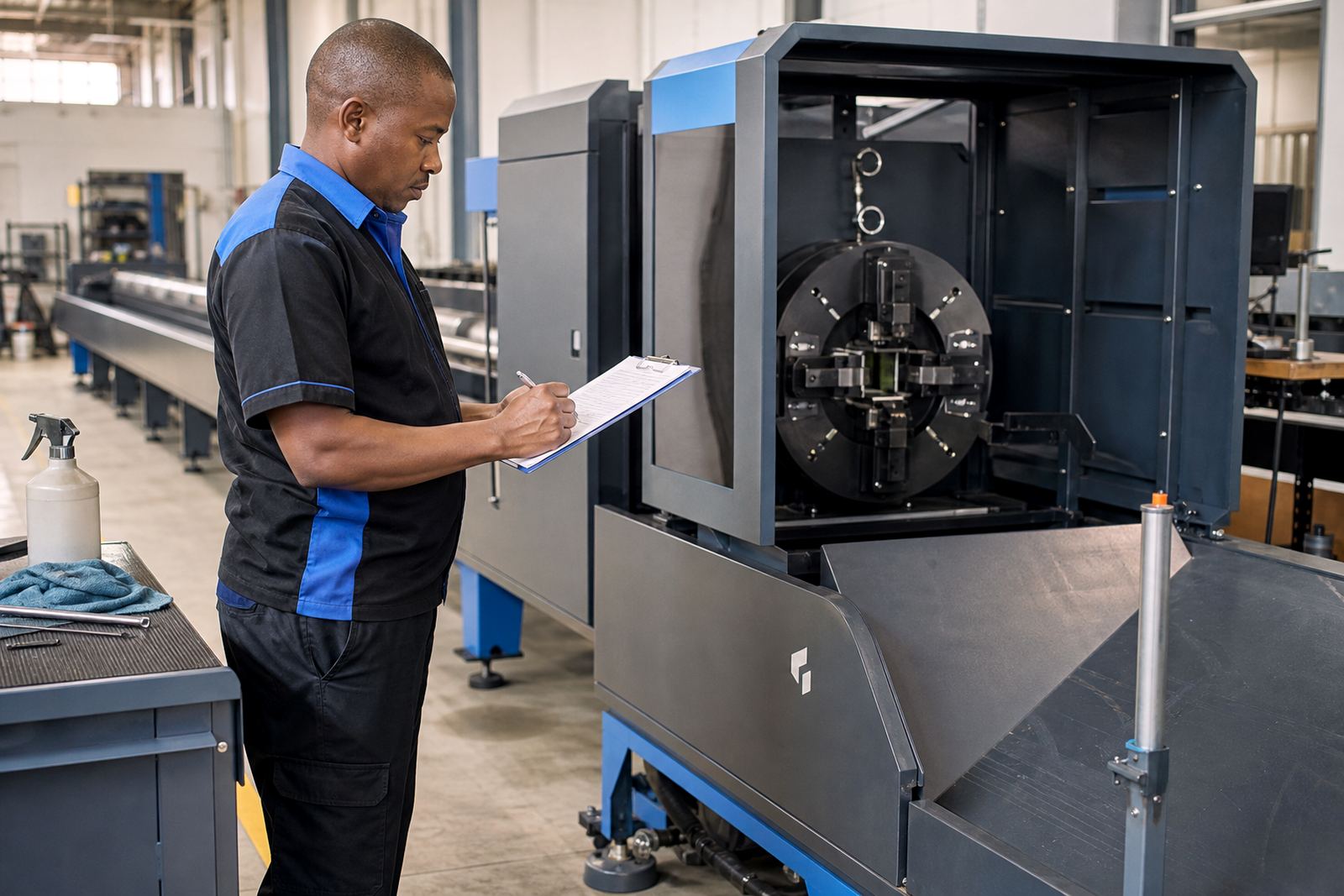
Chucks, centring and grip on the line of cut
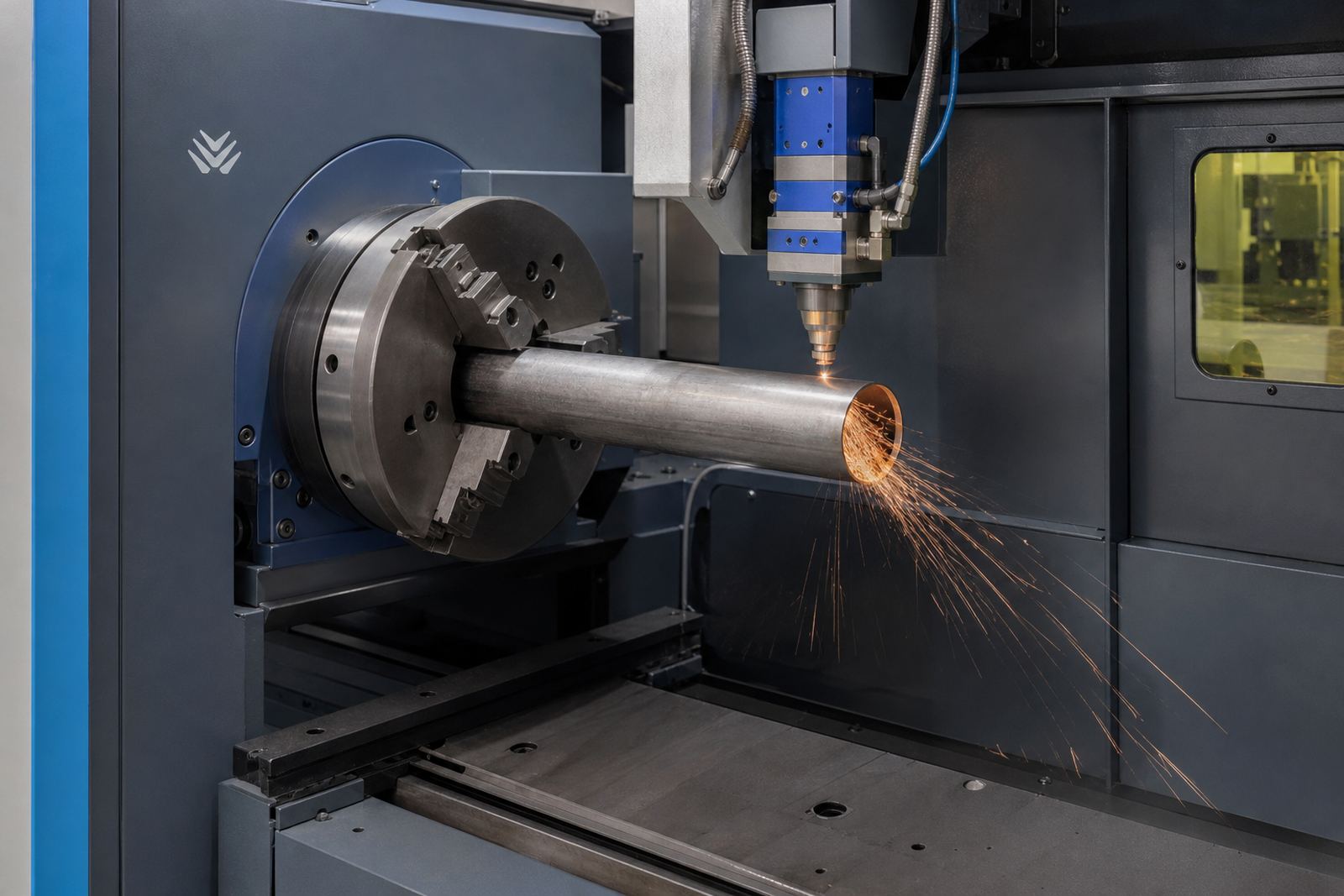
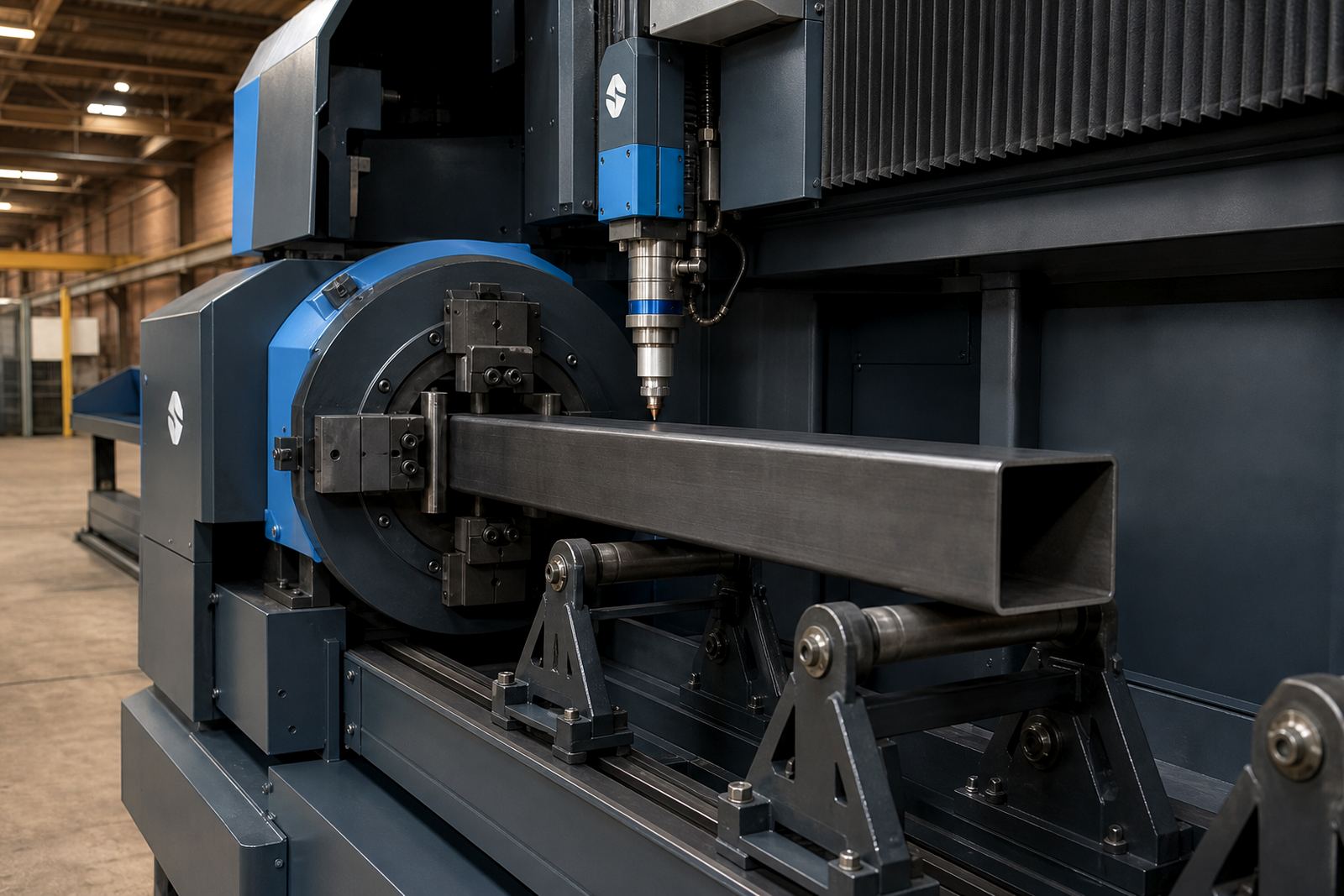
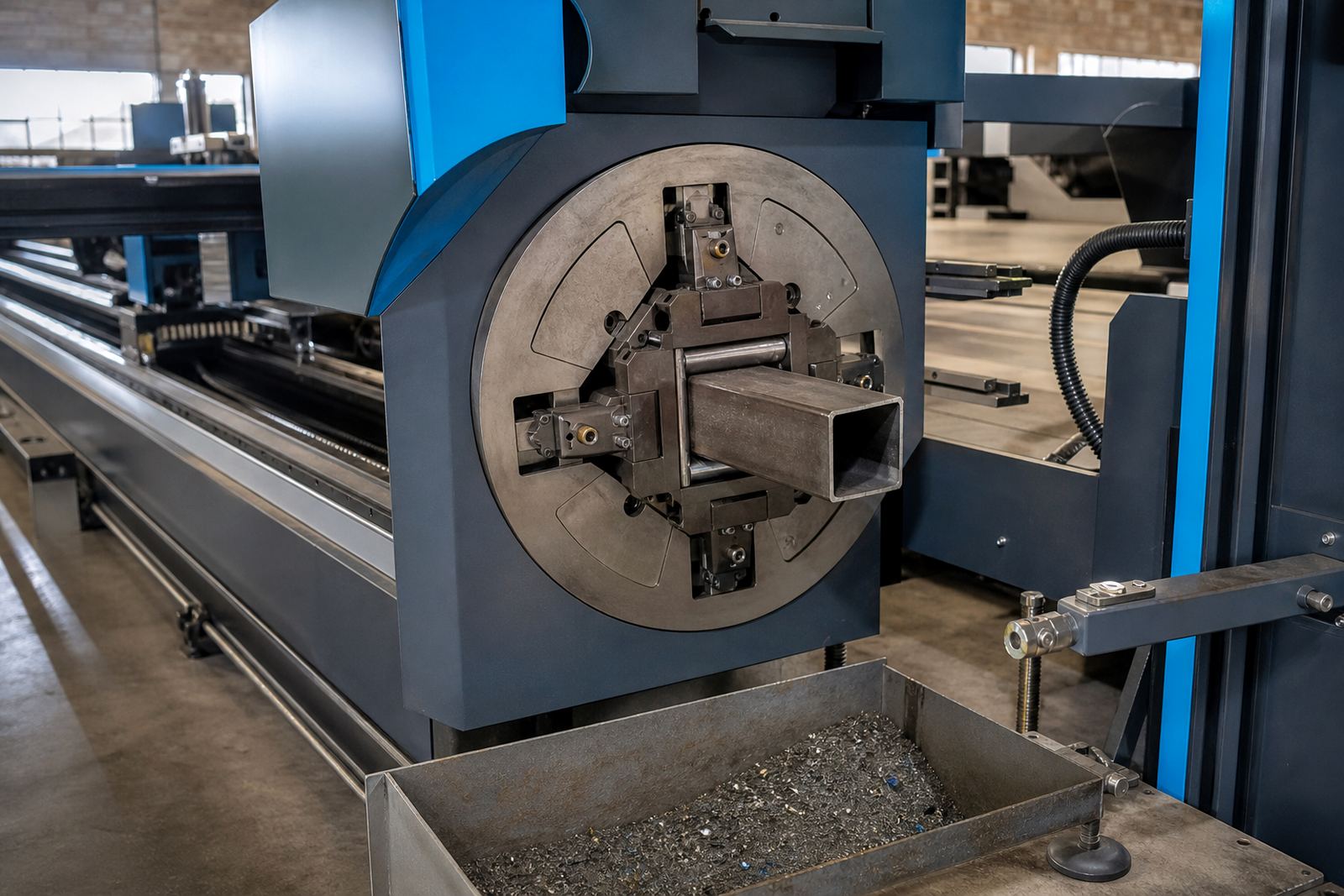
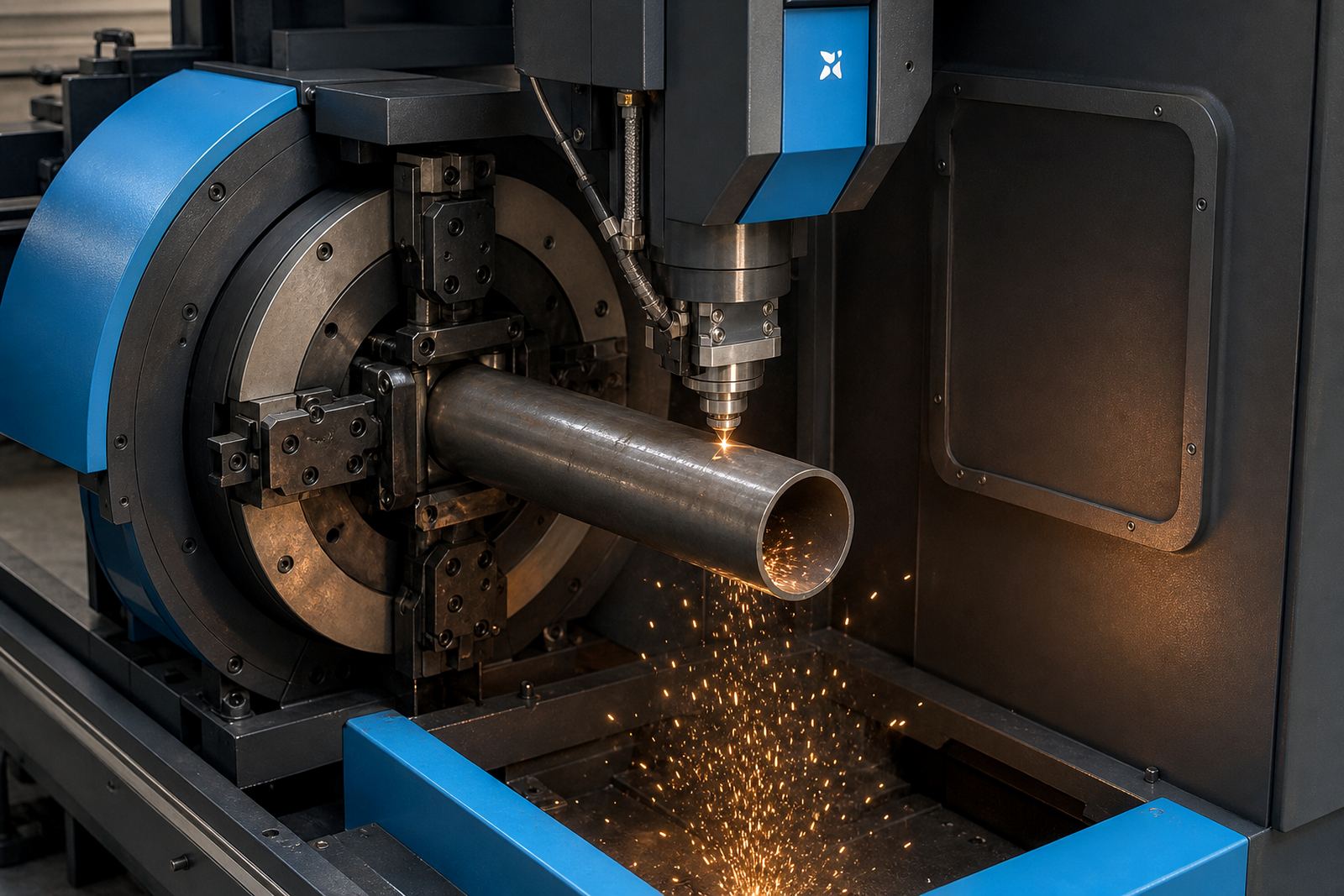
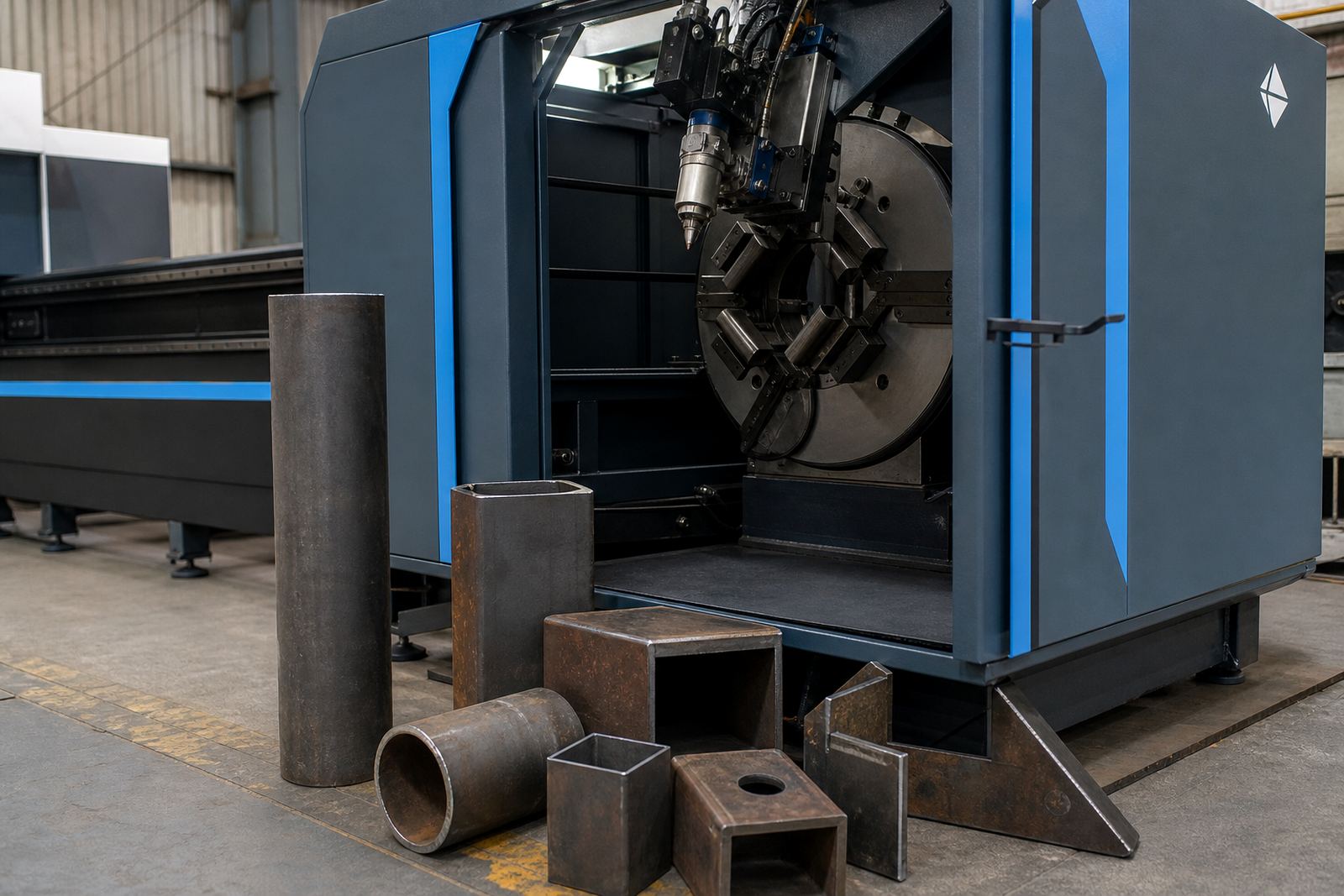
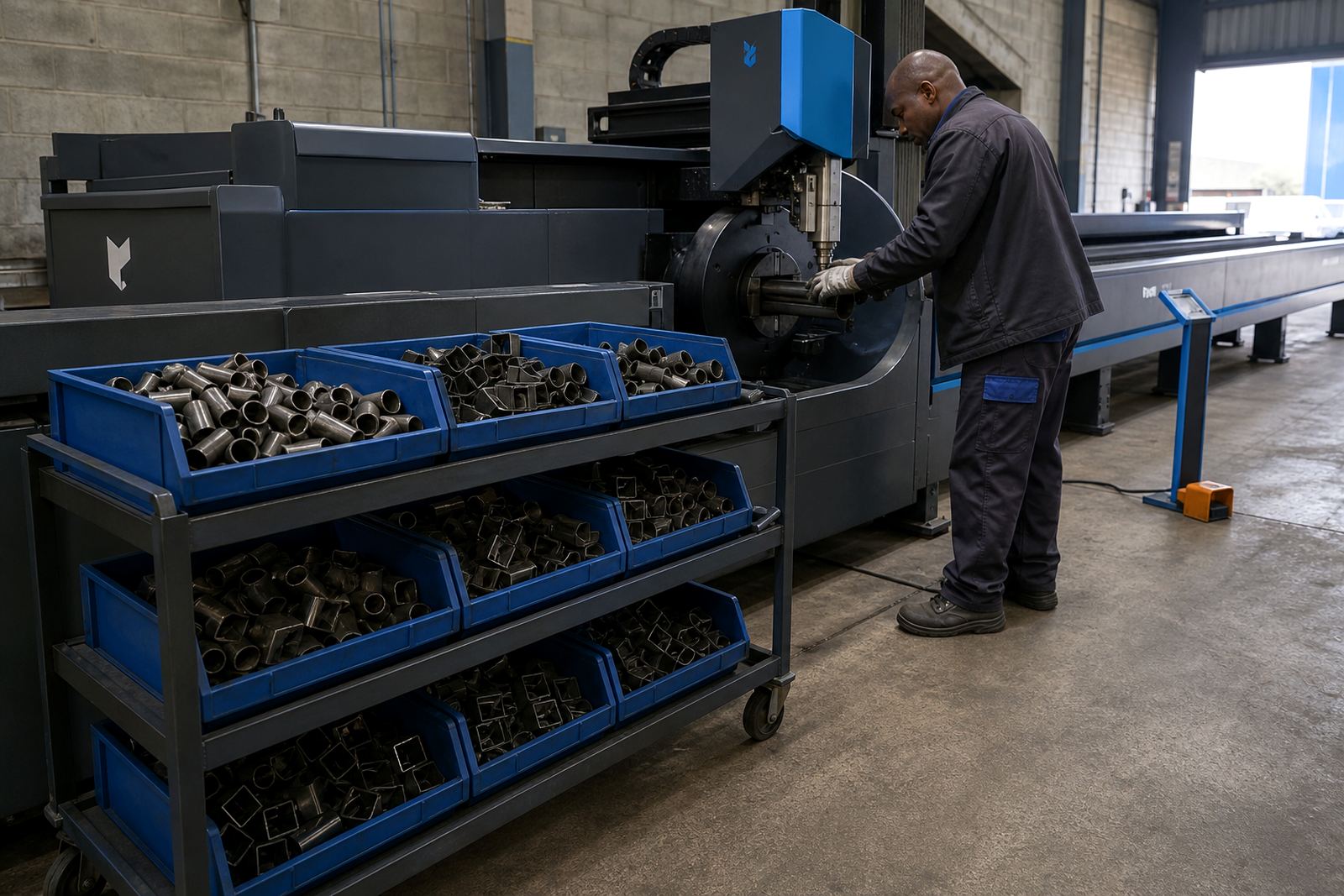
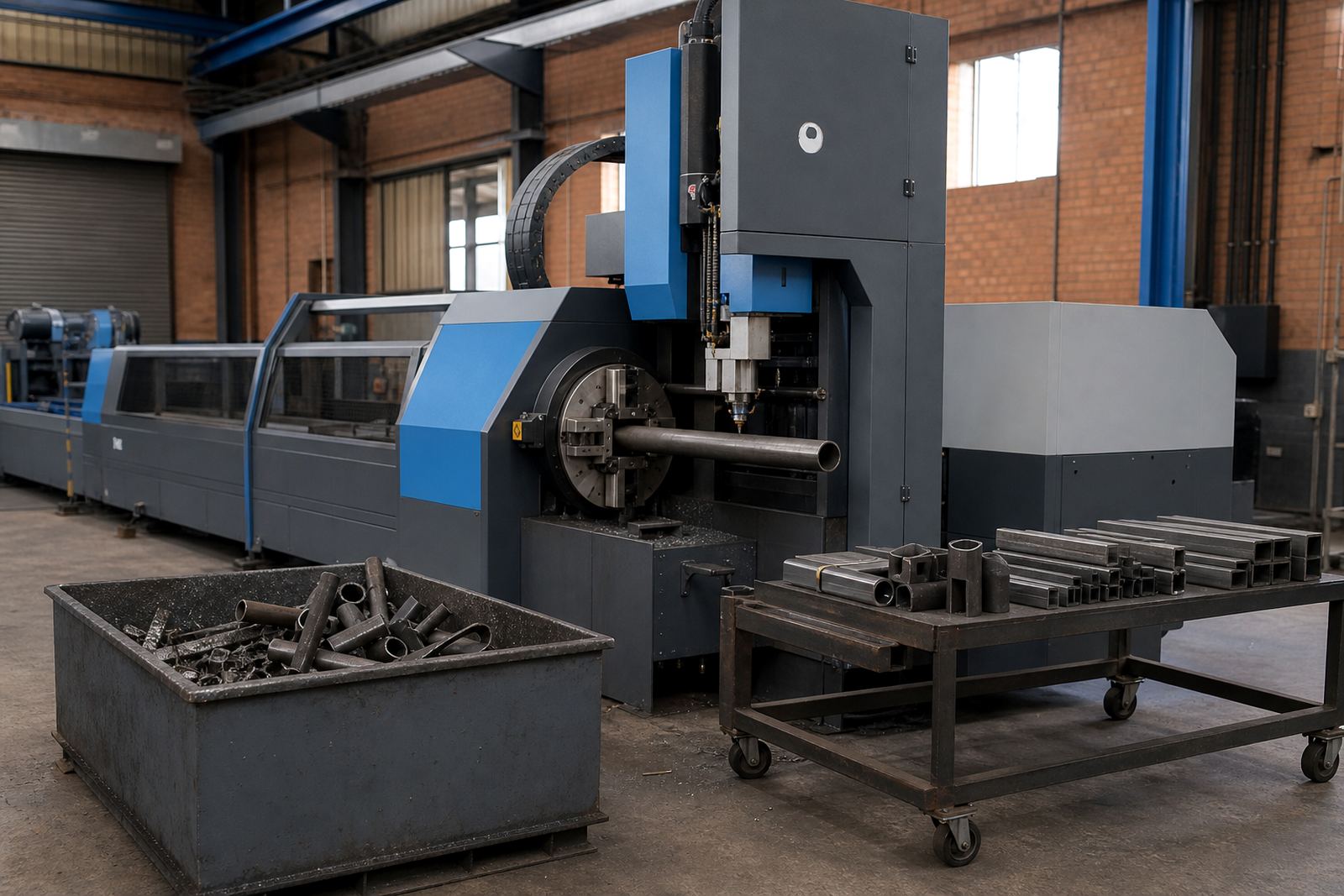
The chuck does the heavy work of holding the tube straight while the laser head moves through the programme. If grip is uneven, the cut can wander, corners can distort and the finished part may need rework before welding or assembly. That matters on long lengths, thin wall material and sections with surface scale or light oil on them.
- Check centring before the shift starts, then after a change in material size.
- Keep jaws clean so the grip stays even across the profile.
- Match clamping pressure to the wall thickness and tube shape.
- Watch for slip when the job includes many short parts from one length.
Good chuck handling is plain discipline rather than a fancy setting. Once the grip is right, the rest of the cut becomes easier to trust.
Bevel heads and the shapes that need extra thought
Bevel cutting opens up more fabrication options, but it also asks for sharper setup work. A bevel head has to track angle, kerf and part position with care, especially where a weld prep must fit cleanly first time. On frame work and structural parts, a small error in the bevel can show up later as a gap, a twisted fit or extra grinding.
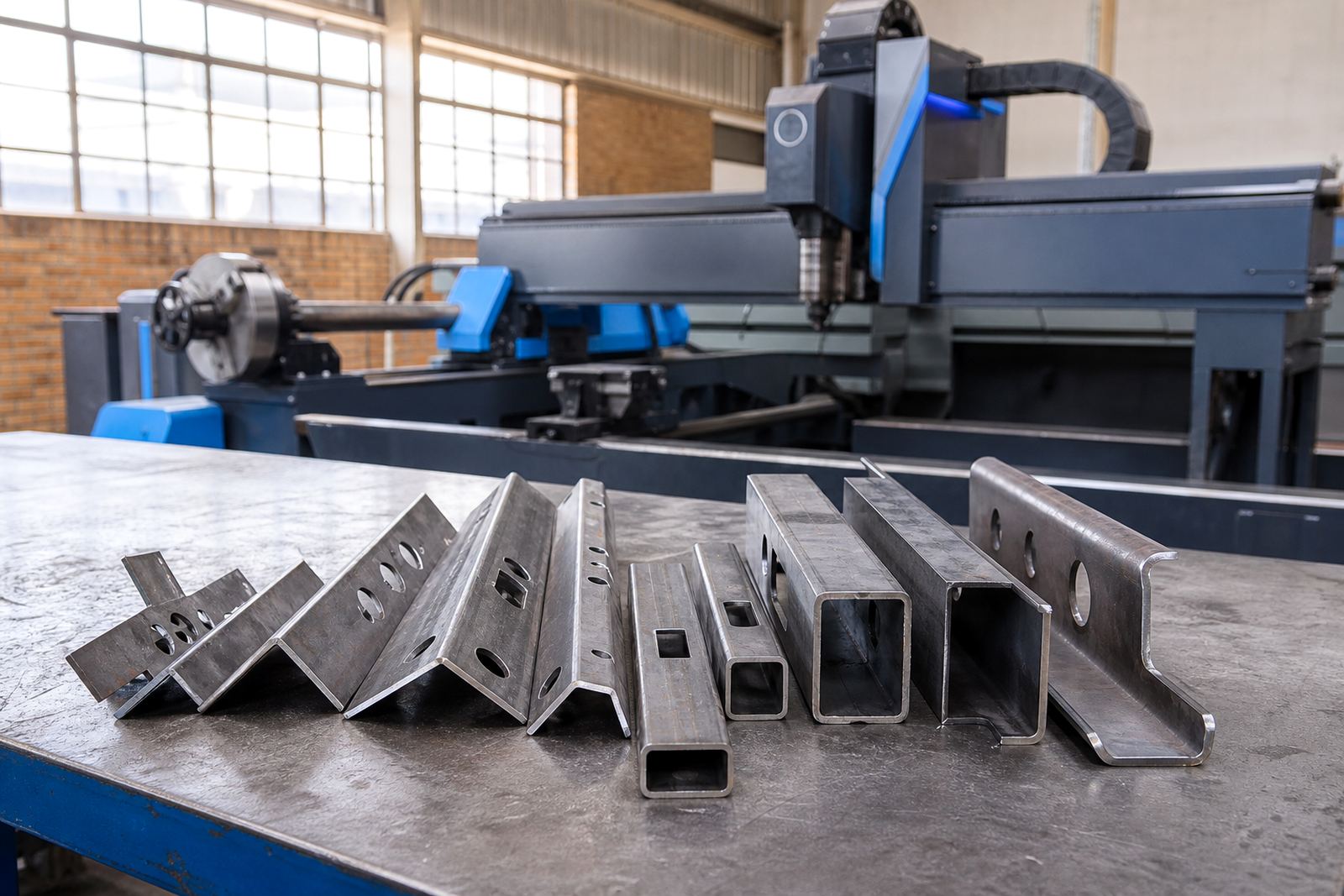
Angle and channel can be more demanding than they look on paper. The open form lets heat move differently through the section, so the operator needs to understand how the head enters, exits and clears the cut. A careful test on scrap stock helps settle the programme before the real batch starts.
Nesting that saves tube and keeps the flow steady
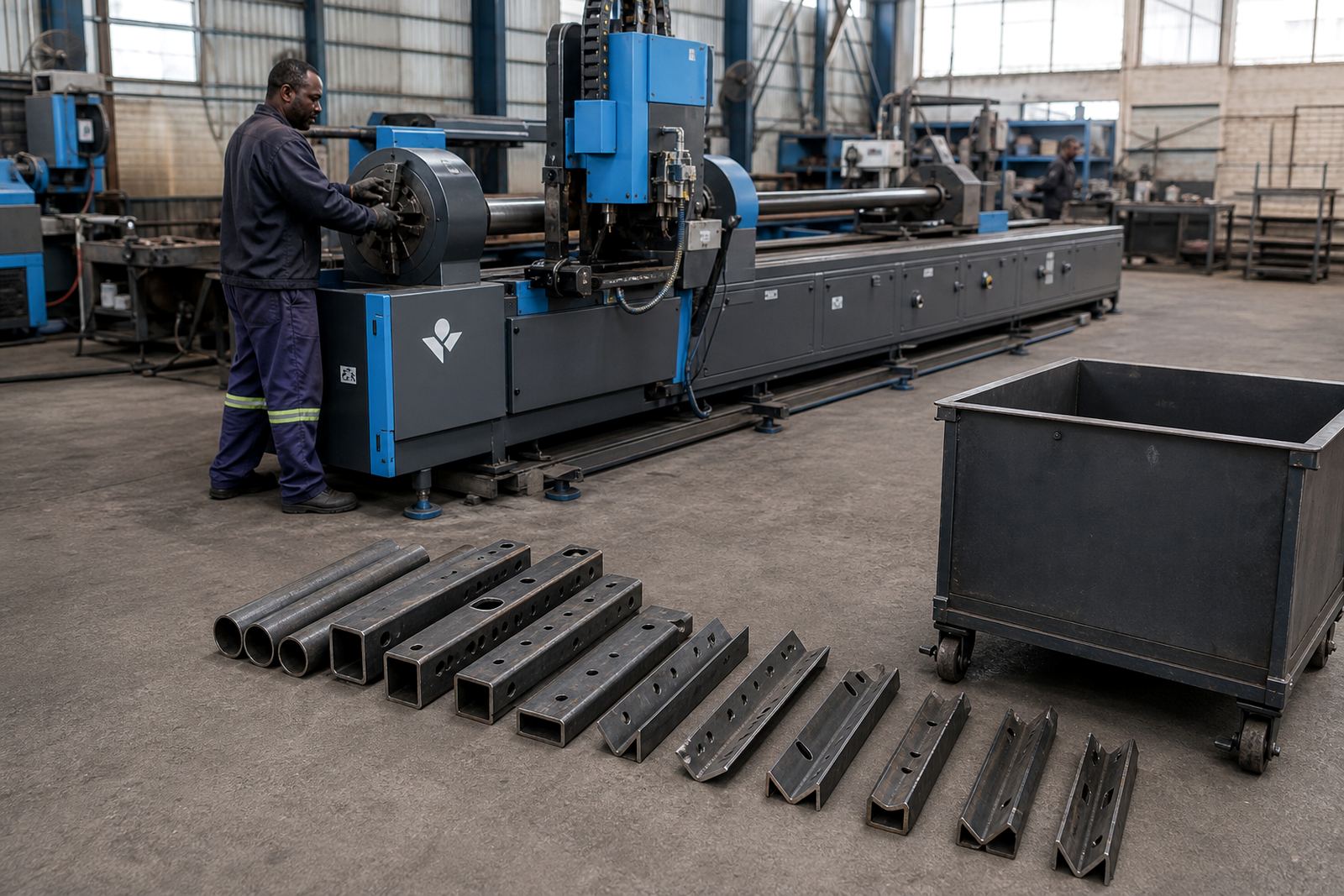
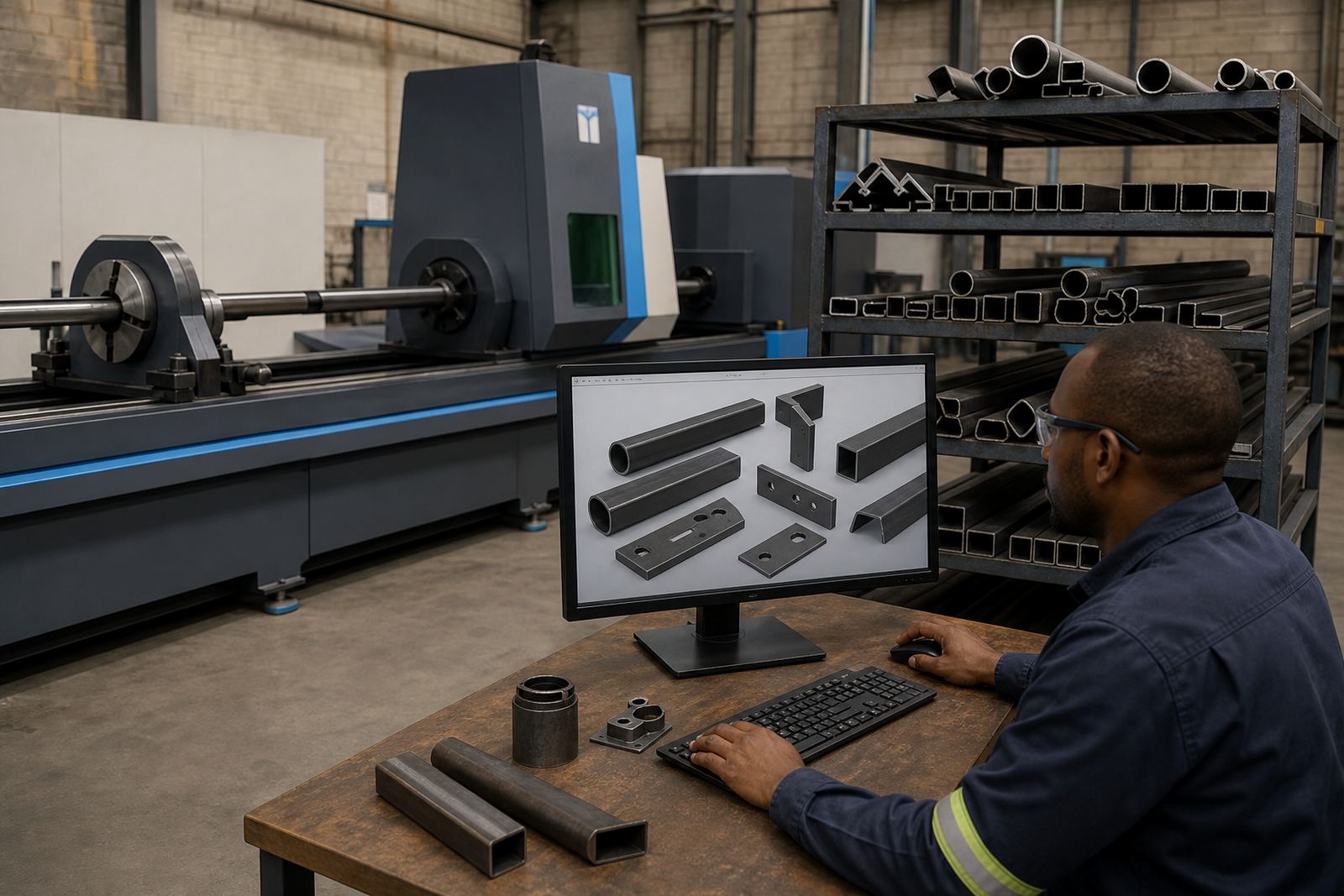
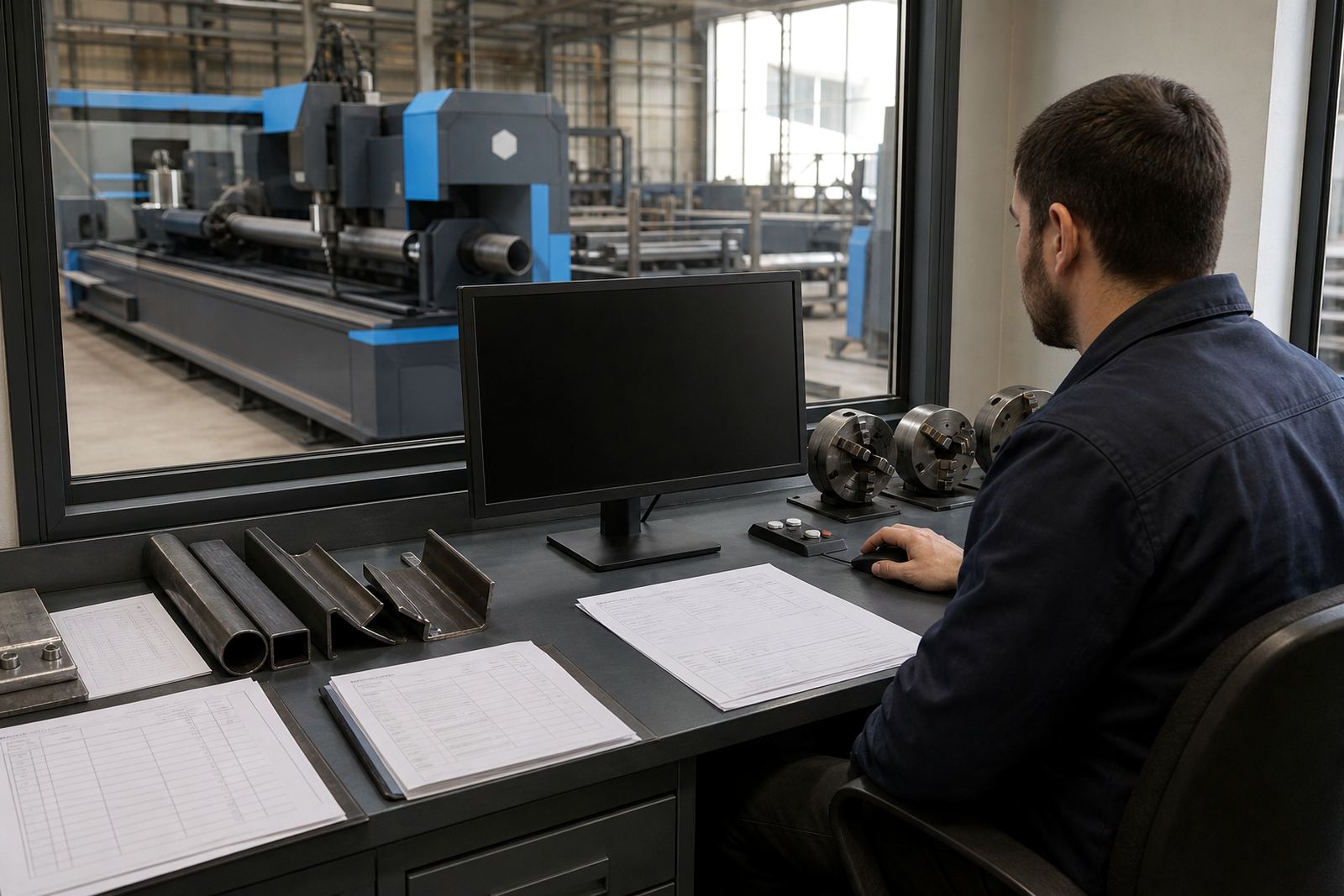
Nesting software is there to organise parts, not just stack them on a screen. It helps the operator place components along each length, reduce offcuts and keep the pierce count in a sensible range. On mixed work, a good nest can cut handling time and make the next shift easier to plan.
- Group similar wall thicknesses where possible.
- Keep an eye on remnant lengths that can be used later.
- Balance cut quality against the number of pierces and starts.
- Leave room for identification marks where the job needs traceability.
The best nests are the ones the floor can use without argument. If the cut order matches the way material moves through the shop, the machine spends more time cutting and less time waiting.
Assist gases and edge finish in real workshop use
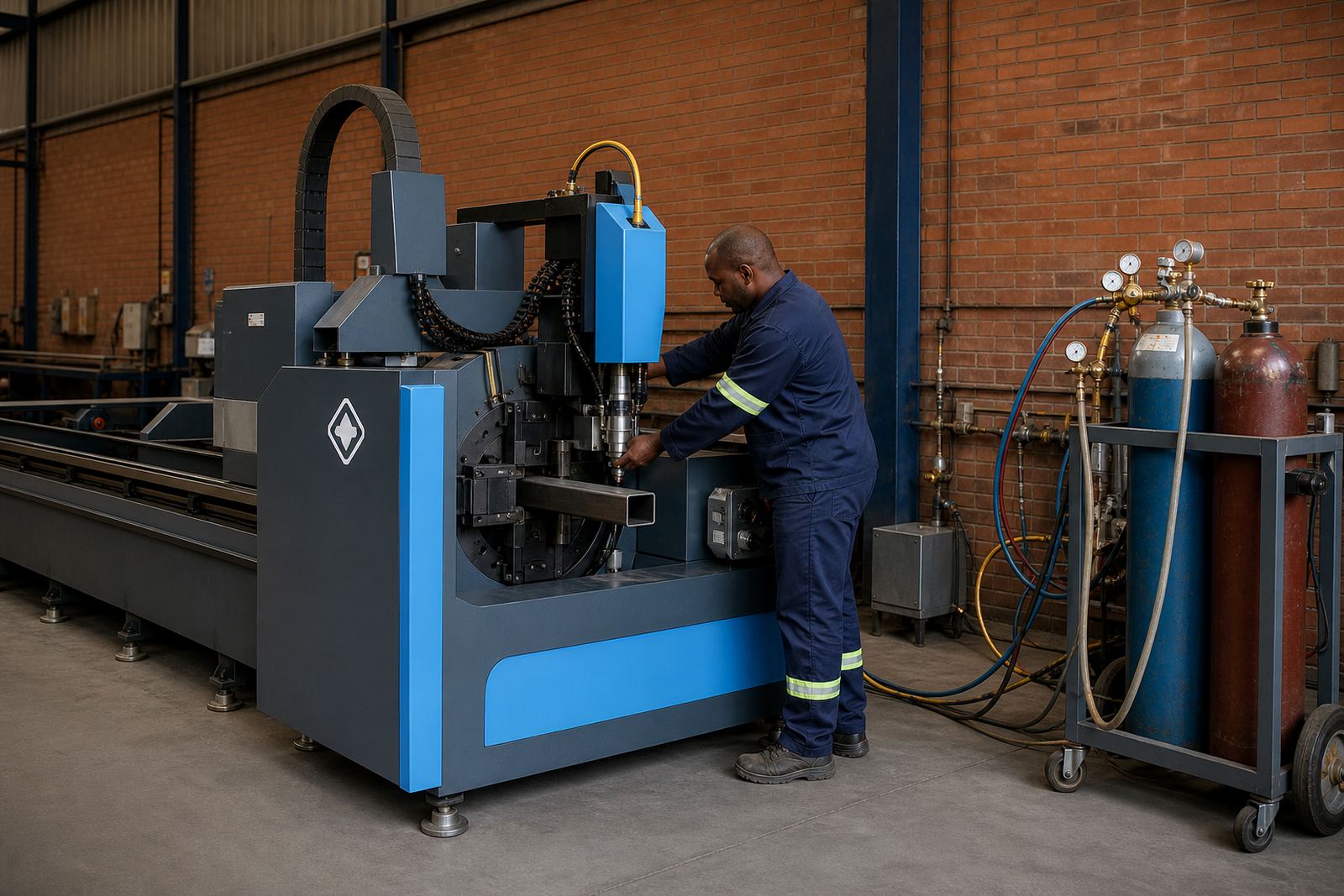
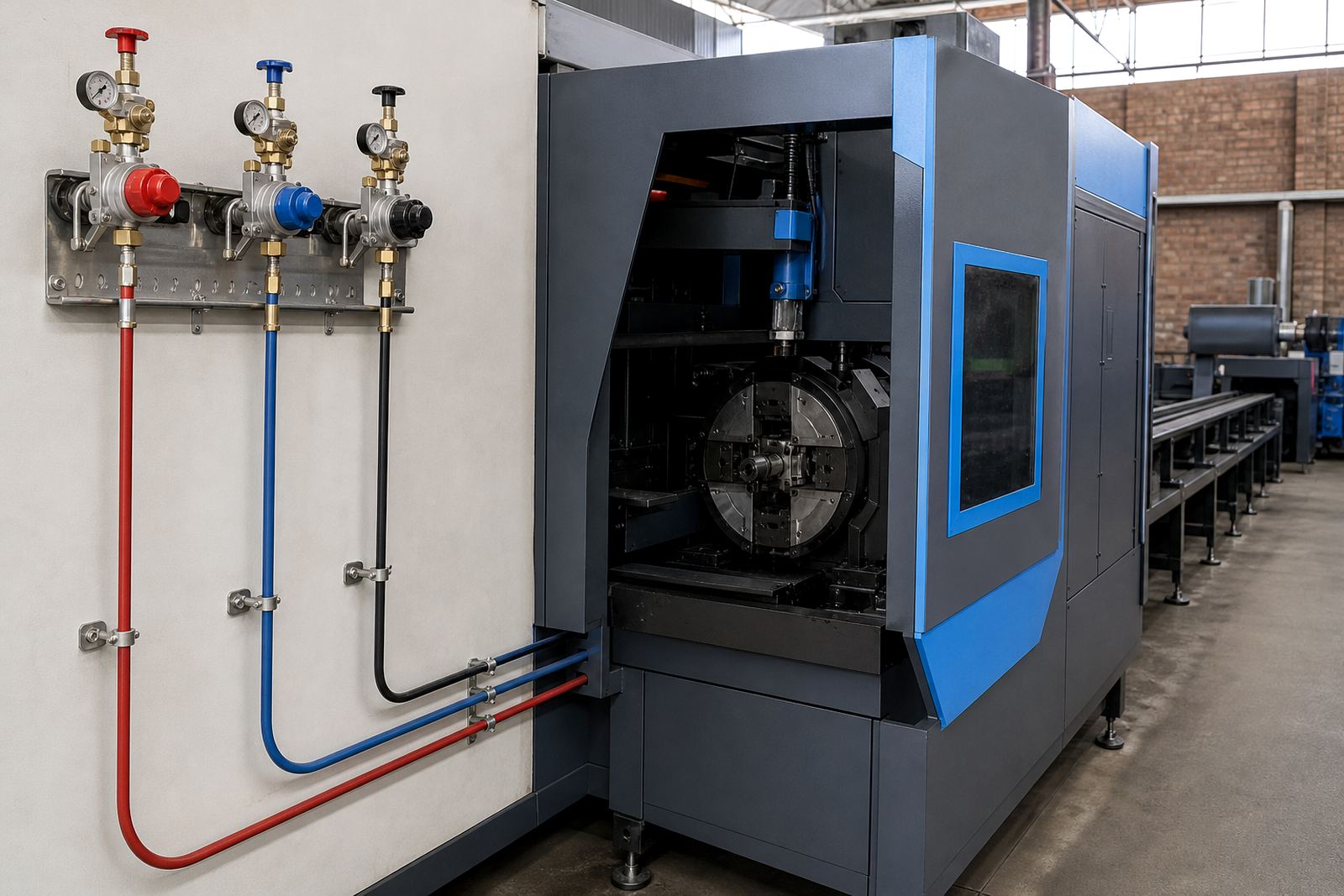
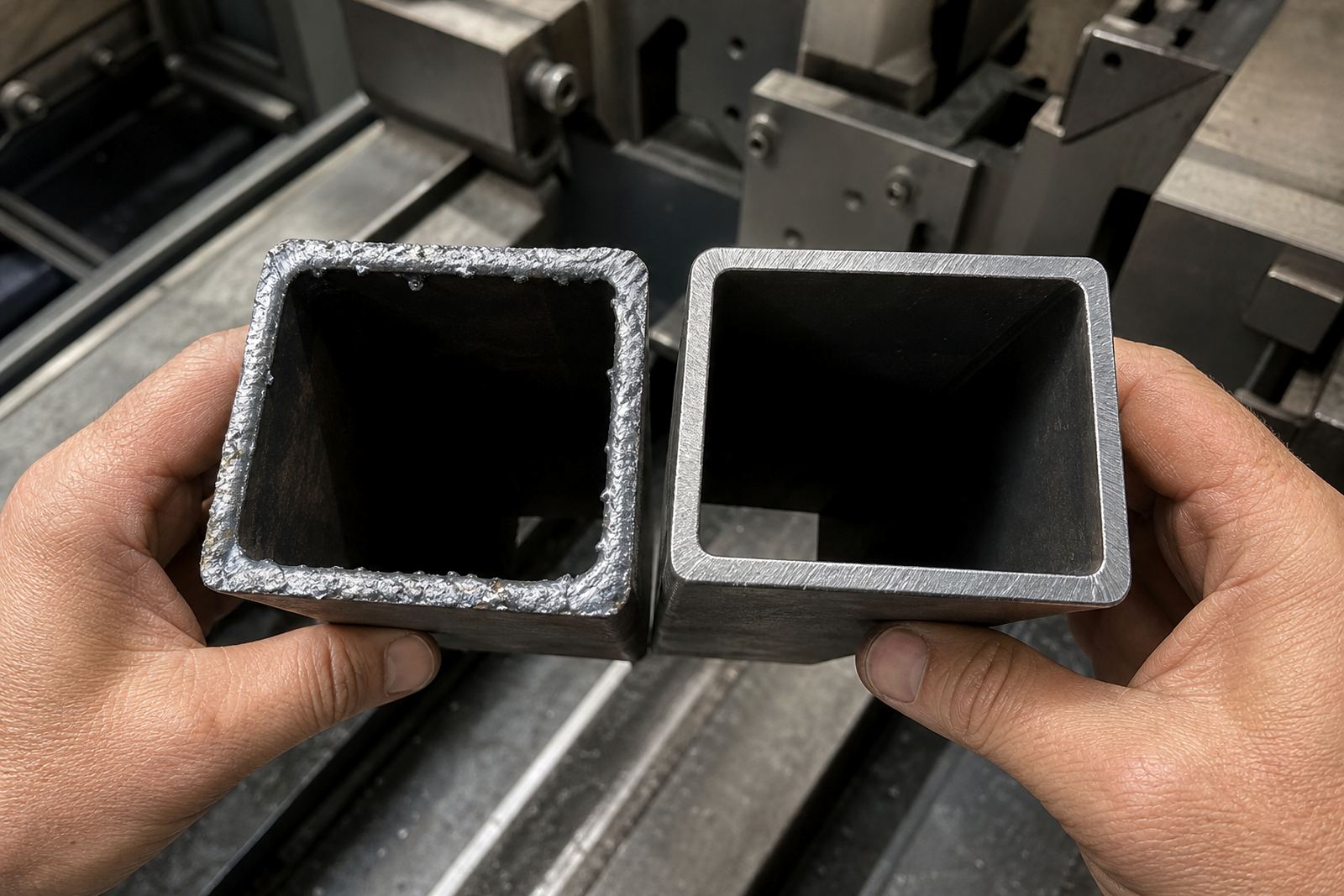
Assist gas affects edge condition, cut speed and the amount of finishing needed after the part leaves the machine. Oxygen, nitrogen and air each have a role depending on material type, thickness and the finish expected on the edge. Stainless work often needs a cleaner edge, while mild steel jobs may tolerate a different finish if the next step is fabrication or painting.
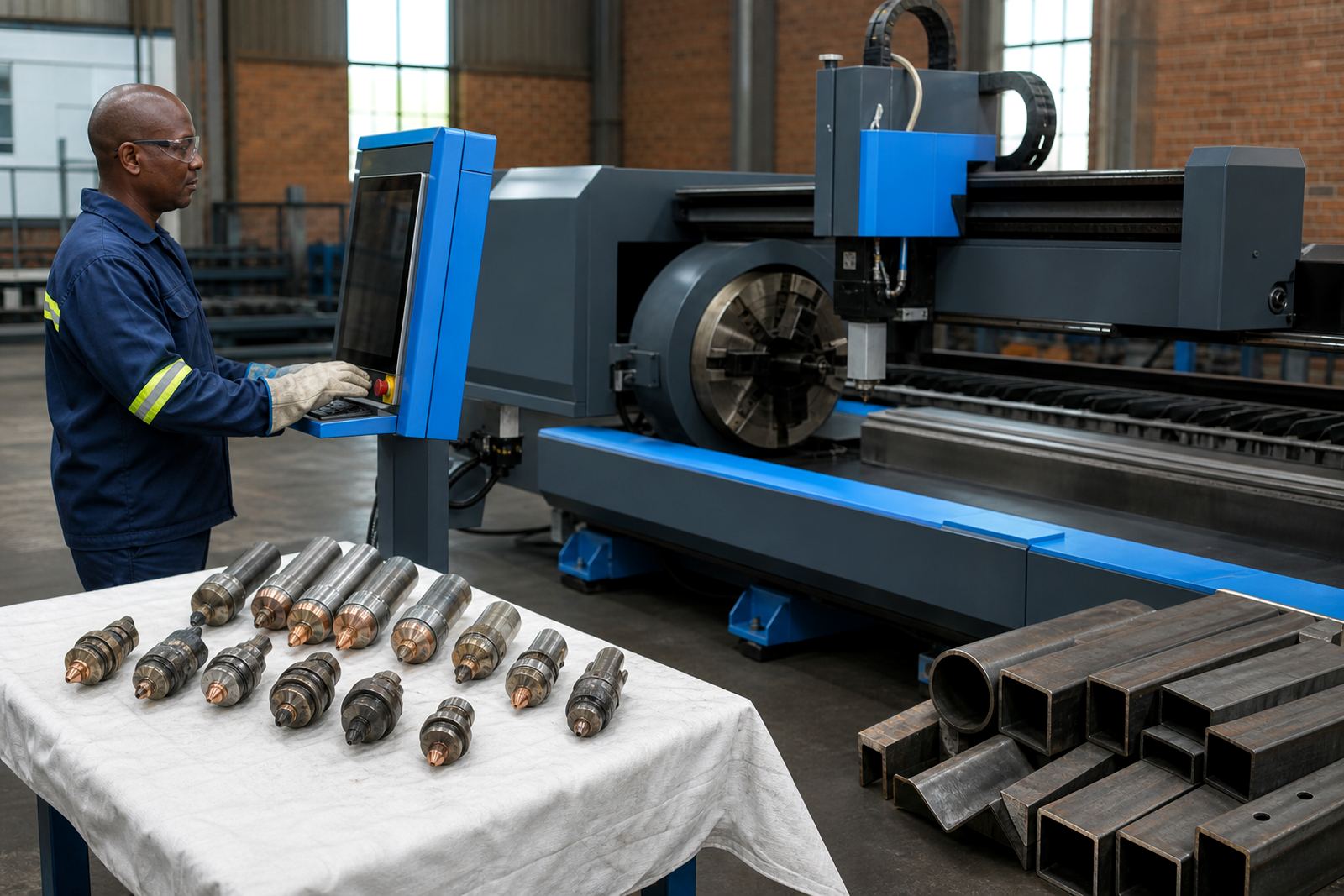
Gas pressure, nozzle condition and line cleanliness all matter. A small leak or dirty nozzle can spoil an otherwise sound cut, and the fault usually shows up first on the edge before it shows anywhere else. The operator should check the cut face, not only the programme screen.
Safety, maintenance and the habits that keep output steady
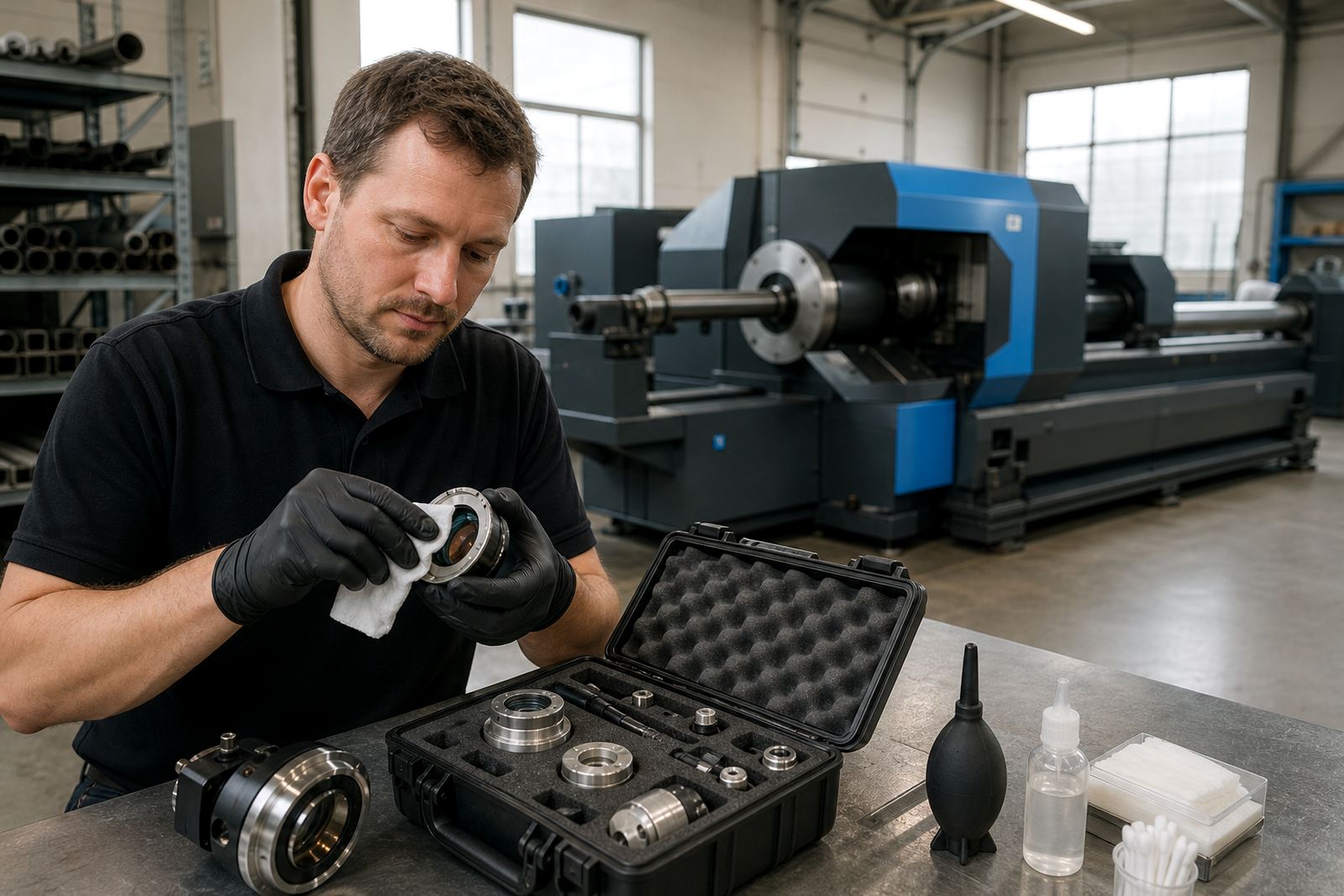
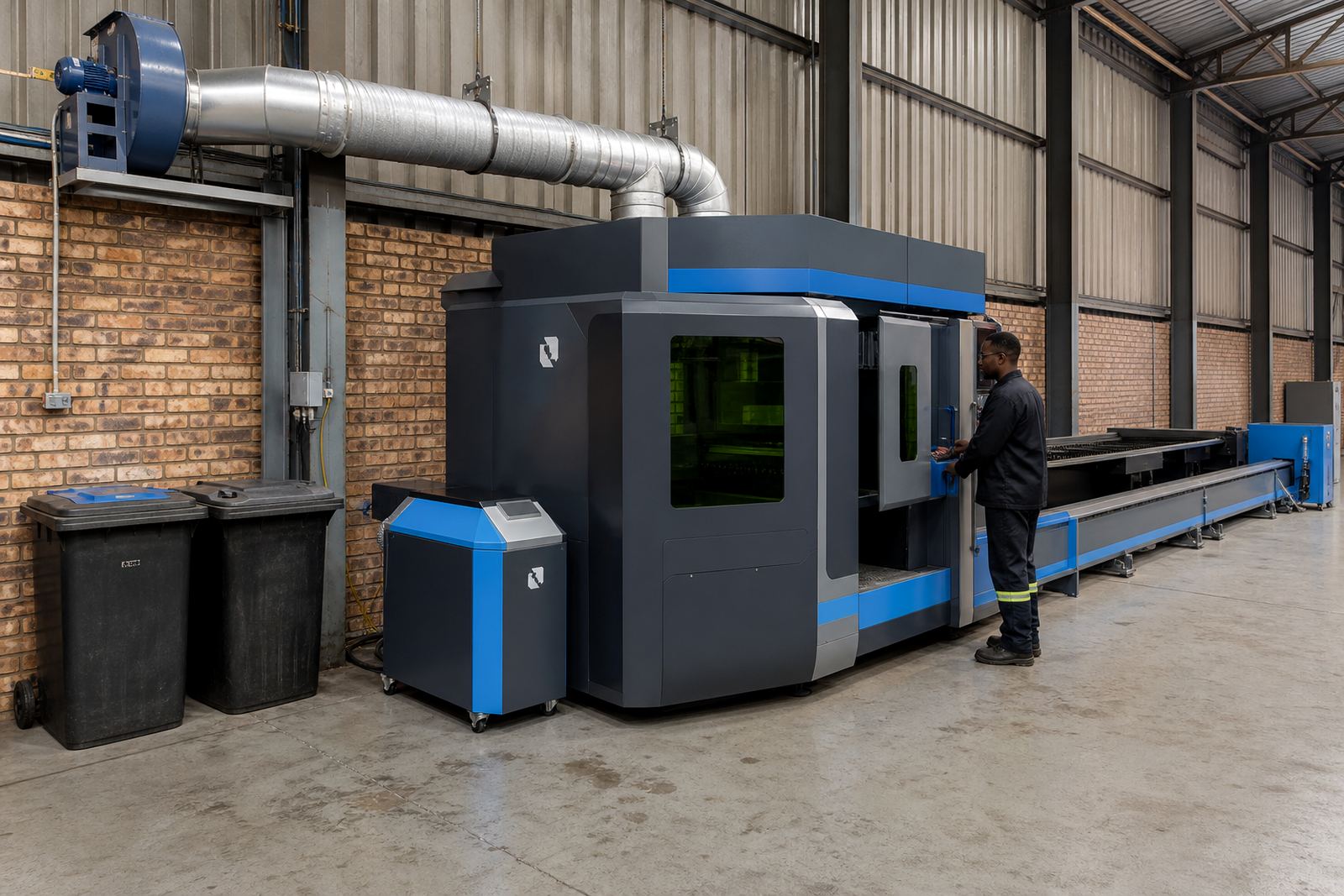
Laser tube cutting brings heat, moving parts, reflections and fine metal dust into one workspace, so safety has to stay visible on the floor. Guards, interlocks, extraction and clear loading zones all need regular checking. Training should cover safe loading, handling of sharp cut ends and the right way to clear scrap from the bed or support system.
- Schedule preventive checks before wear turns into stoppages.
- Keep spare consumables organised for fast floor access.
- Record alignment and calibration work after each service visit.
- Use operator notes to track the same fault if it returns.
When a fabricator needs more than one machine size
Some shops start with one tube machine and later add a profile cutter for plate work, brackets or mixed fabrication. Others need a longer bed, heavier loading support or a different chuck setup because the work changes from month to month. The right answer depends on the sections you buy, the cut lengths that matter and how much manual handling the team can carry without slowing the shop.
Across Wadeville, Johannesburg, Pretoria, Durban, Cape Town, Gqeberha, Bloemfontein and Nelspruit, the same questions keep appearing. What sizes dominate the work, where does the bottleneck sit, and which jobs need cleaner edges or bevel prep. Those points shape the machine better than any brochure line ever will.