When wall thickness starts changing the job
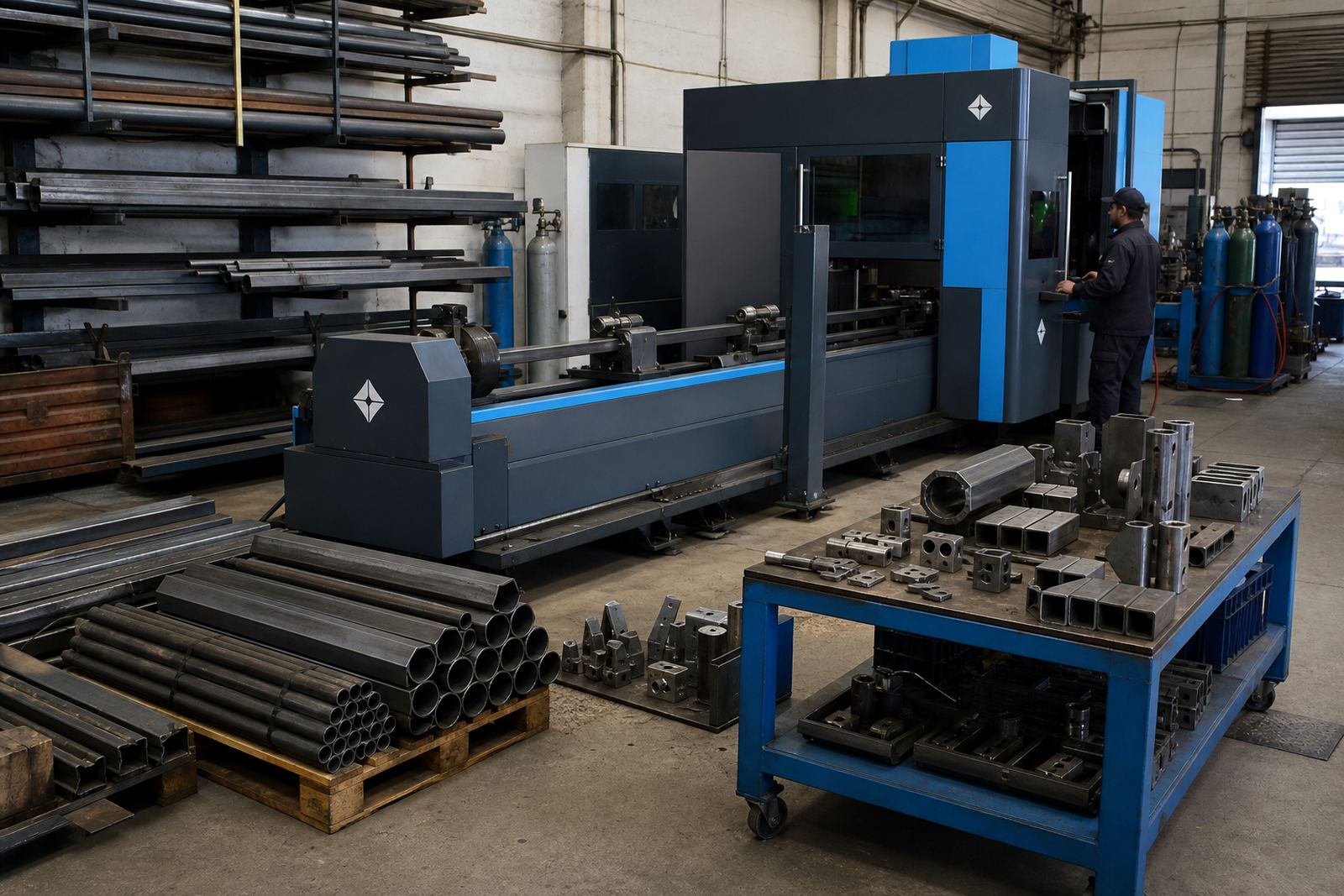
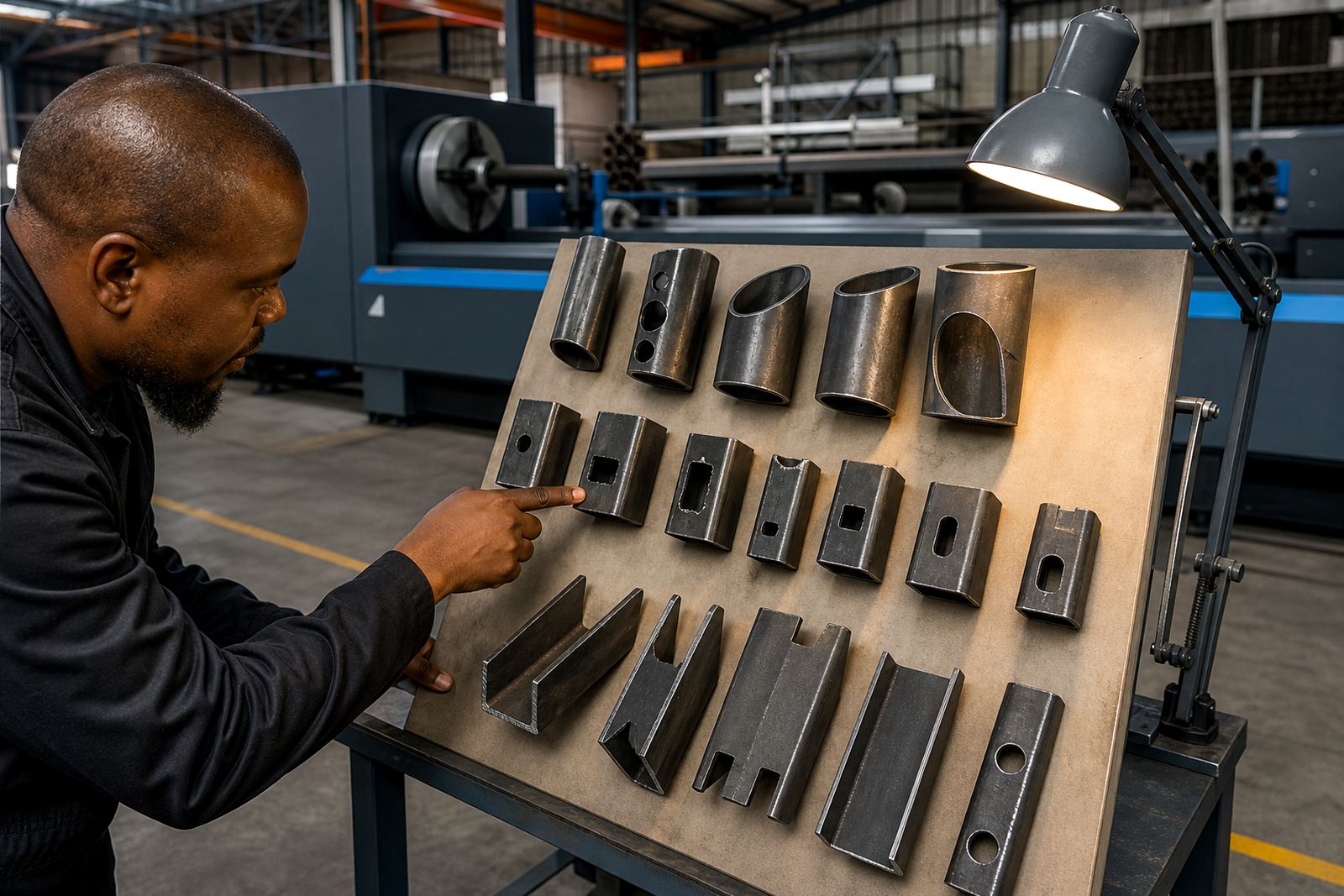
Heavy wall sections behave differently from light tube. The cut edge holds more heat, the pierce takes longer, and the machine spends more time working through material that wants to move under pressure. Round tube is one thing, but square, rectangular, angle and channel sections each bring their own handling issues once the wall thickness climbs.
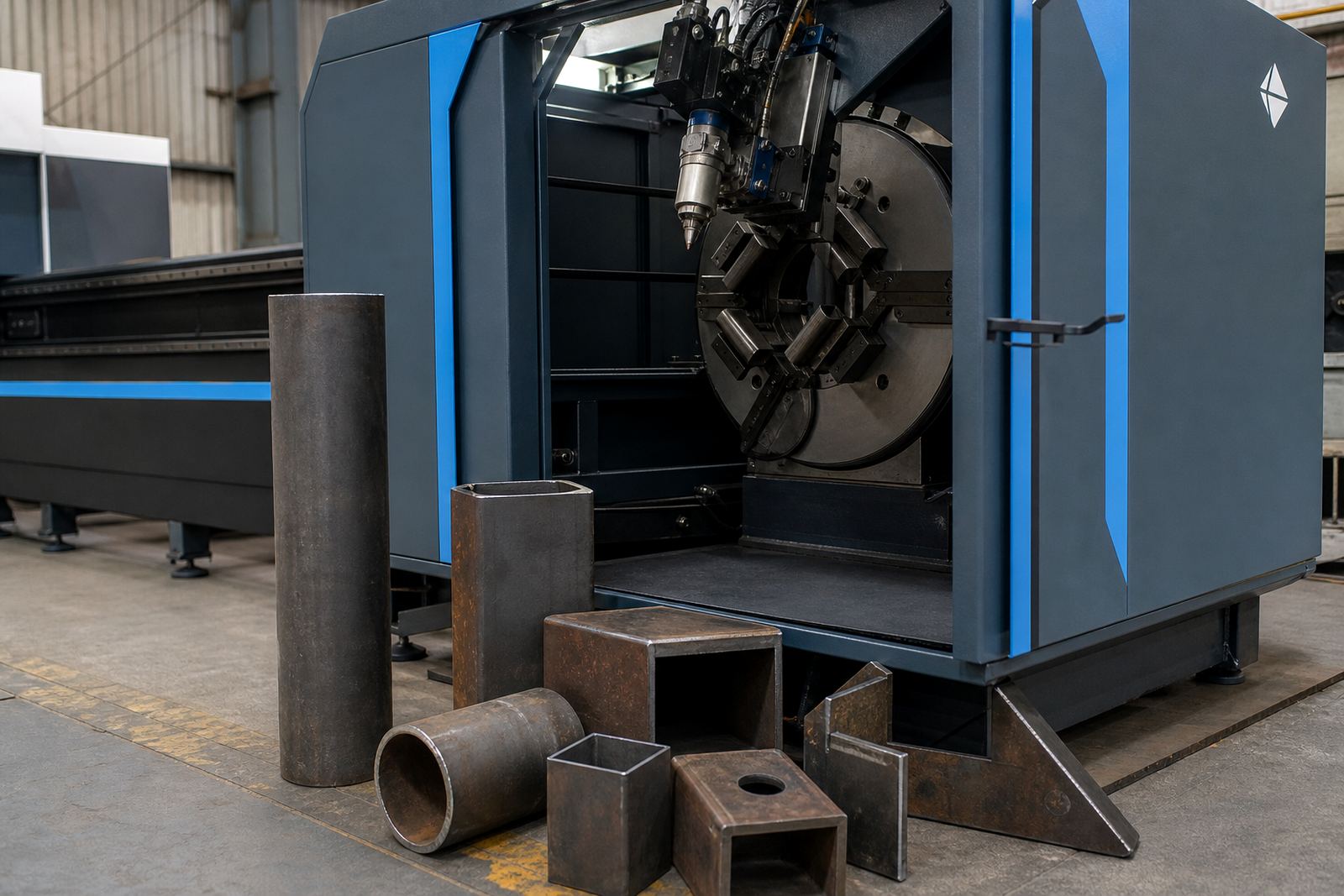
That is where a fibre laser tube and profile cutting machine earns its keep. The beam can keep the cut narrow, but only if the chucking, feed settings and assist gas are set up for the section in front of it. On heavier material, a rushed setup often shows up as a rough lead in, slag at the bottom edge, or a finish that needs too much grinding after the cut.
For metal fabricators in Wadeville and Germiston, the mix often includes frames, brackets, machine guards and structural parts. A job shop might cut a few lengths a day, while a production plant may run long nests across similar sections. Either way, the machine has to match the thickness, not just the shape.
Piercing on thick tube needs more than a stronger beam
Piercing is the first place heavy wall sections reveal weak setup. If the pierce is too aggressive, molten metal can blow back and leave a rough entry hole. If it is too slow, cycle time climbs and the heat builds up around the start point. The answer is usually a careful balance between power, focus position, pierce height and gas pressure.
Bevel heads add another layer on thicker sections, especially where welded joints need a clean edge prep. A bevel cut changes the angle of the beam and the way slag clears from the kerf, so calibration matters. Even a small shift in alignment can affect how the groove lands on the finished part.
- Use a stable pierce routine for each thickness band.
- Check focus position before switching between section sizes.
- Keep the nozzle and optics clean, not just serviceable.
- Test the first parts before the full nest runs.
Chuck grip and support must suit the section
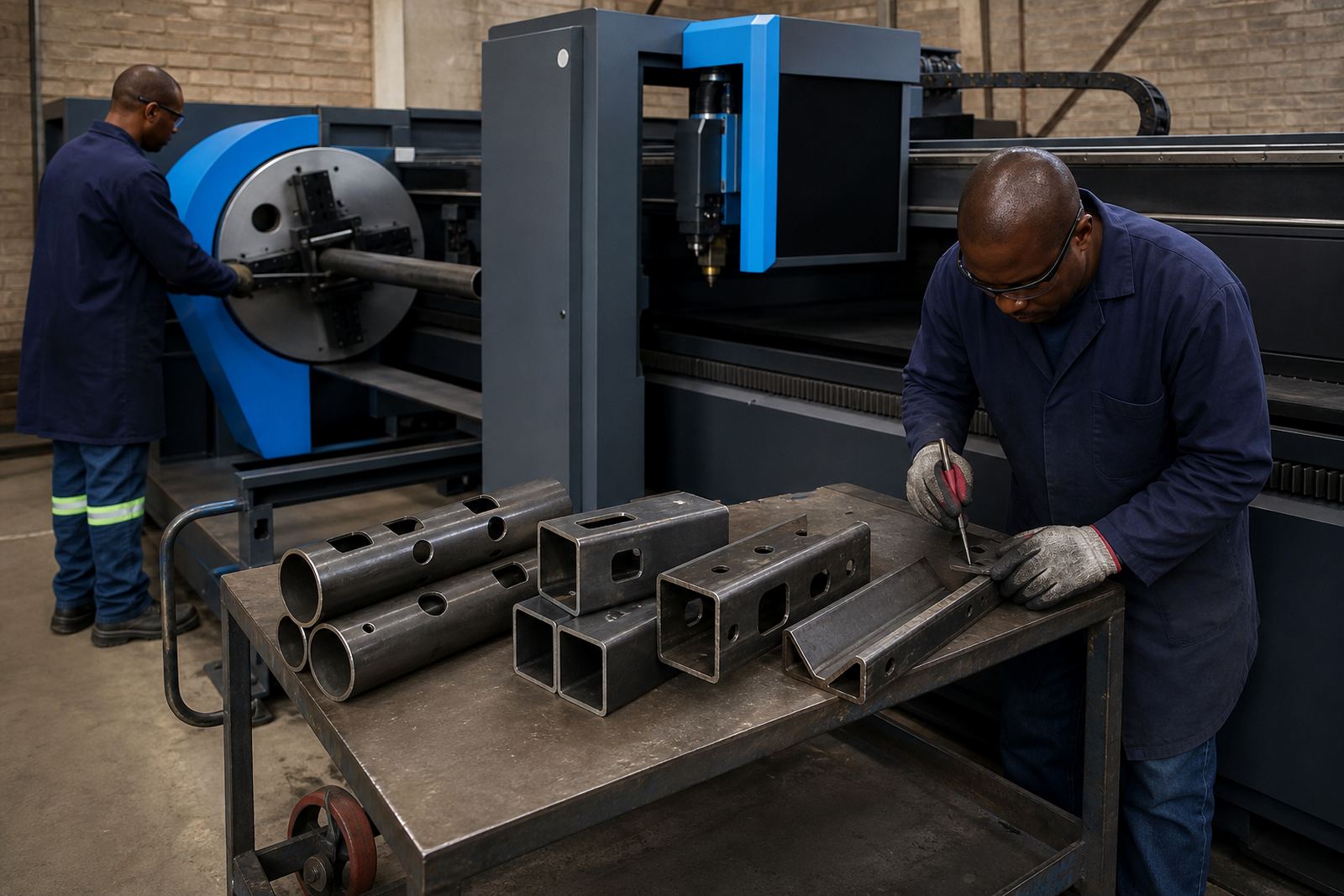
Heavy wall material is often longer and less forgiving than light tube. A secure chuck grip helps stop slip, especially when the machine is feeding through thick square or rectangular sections with a lot of mass. If the grip is uneven, the cut can drift and the part may show a slight taper or misalignment near the end.
Support matters just as much. Long sections need proper front and rear handling so the tube does not sag between stations. That is especially true on channel and angle, where the shape can twist if it is not guided properly. In a busy workshop, a few millimetres of droop becomes a real problem when parts need to fit into a welded frame without extra dressing.
LaserTube supplies machines with chuck systems sized for tube and profile work, and the installation process includes checking how the material will be loaded, clamped and fed through the line. It saves trouble later when the team starts cutting heavier stock on a regular basis.
Assist gas choices shape the cut edge
Assist gas does more than clear the kerf. It also affects edge colour, dross formation and the amount of finishing required after cutting. With heavy wall sections, gas flow must stay stable throughout the cut because thick material keeps heat in the edge for longer. If flow drops or the nozzle is not matched to the job, the finish can turn rough very quickly.
Different sections call for different settings. A round tube with a clean bore may behave better than a boxed section with scale on the surface. Hot rolled material usually carries more oxidation and dirt, so it needs careful prep and a sensible gas strategy. In coastal towns like Durban or Gqeberha, stored stock also picks up surface moisture faster, which can affect the cut face and the handling around the machine.
- Match gas flow to wall thickness and section size.
- Keep stock dry and free from heavy surface scale.
- Watch the first cut after any nozzle or height change.
- Plan for different finishes on mild steel and coated stock.
Nesting heavy jobs without wasting length
Heavy wall sections are expensive to cut badly because the offcut value rises with the section size. Nesting software helps the operator place parts along the length in a way that uses the stock well and keeps the cut sequence practical. On thick material, the trick is not only fitting more parts onto a length, but also planning the cut order so the tube stays stable while the machine works through it.
That matters when the same job mixes hole patterns, mitres and bevels. If the sequence is wrong, a finished section can shift before the last cut is complete. Good nesting training teaches the team how to think beyond the screen and look at what the machine is doing on the metal in front of it.
In a Pretoria production plant, for example, a run of heavy rectangular sections for welded assemblies may need one nesting pattern for speed and another for material use. The best setting is the one that keeps the cut reliable and the fit-up clean, not the one that only looks tidy on paper.
A Wadeville job shop cutting structural frames
A fabricator in the Wadeville area might process heavy wall square and rectangular tube for gates, machine bases and support frames. Handling usually becomes the first issue, before the cutting starts. Material arrives long, heavy and a bit uneven, so delivery rigging and site layout need to suit the stock before the machine is even loaded.
Once the machine is running, operator training makes the difference between repeatable work and constant rework. The team needs to know how to set pierce values, inspect the chuck grip, watch the gas flow and spot a bevel that has drifted out of calibration. A good machine will do the task, but the setup still has to be right every shift.
Preventive maintenance matters too. On thicker sections, a dirty nozzle or worn alignment can show up faster than on light tube. Regular service visits, chuck alignment checks and bevel calibration keep that in check.
What a practical setup looks like in the workshop
Heavy wall work is easier when the machine, the stock and the team are all working from the same plan. The machine needs the right chucking, the operator needs proper training, and the job sheet needs enough detail for thickness, length and finish. The same applies in Bloemfontein plants, Cape Town workshops and Johannesburg facilities where the machine is installed.
LaserTube handles site assessment, delivery rigging, installation, commissioning and operator training for fibre laser tube and profile cutting machines across South Africa. For heavy wall sections, that support extends into assist gas setup, nesting training, preventive maintenance and breakdown response when a line needs attention. The aim is not to make the job sound easy, only to make it repeatable.
When the wall gets thicker, the cut has less room for error. Good preparation keeps the job steady, and the parts fit the way the drawing intended.