What counts as a useful remnant
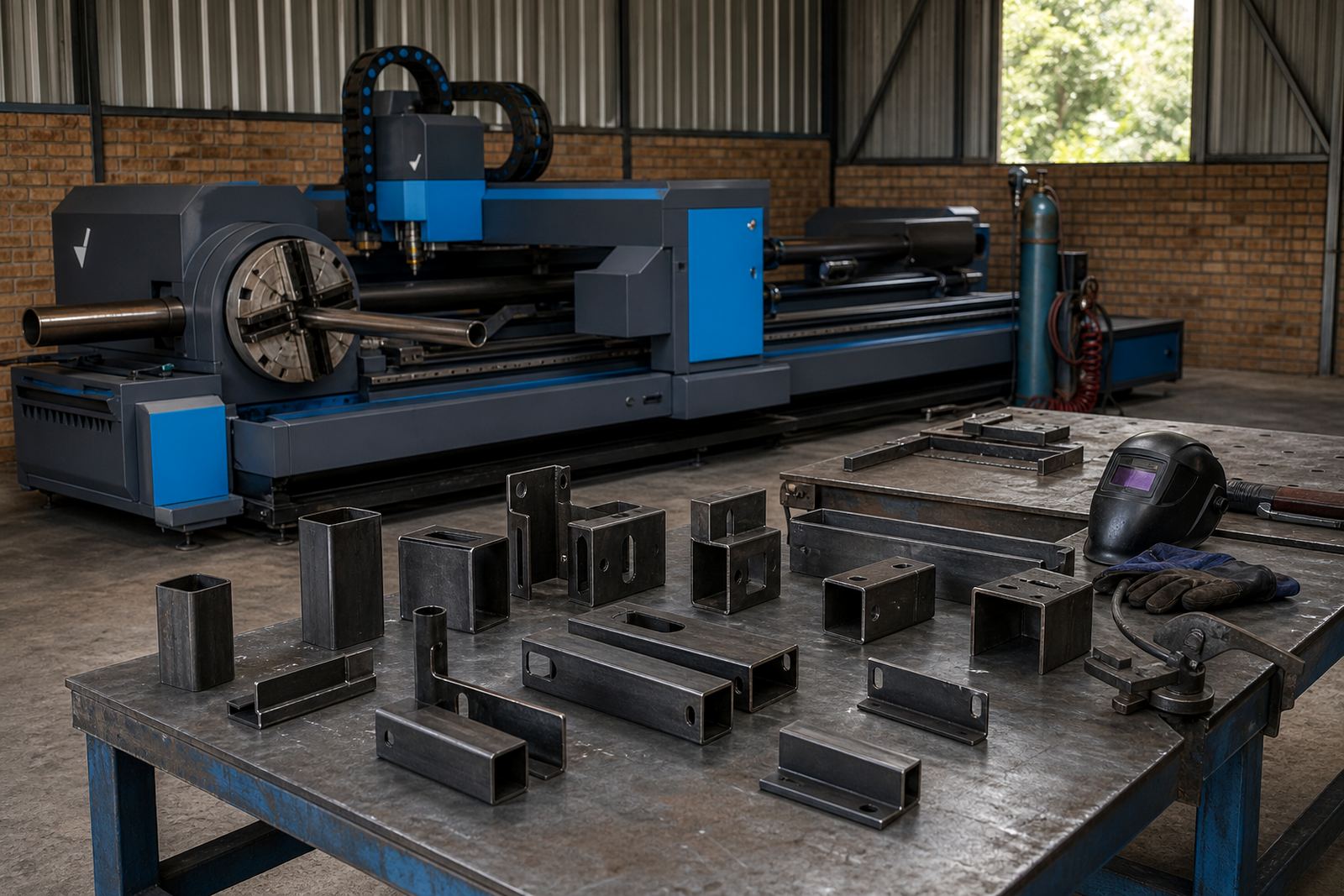
In fibre laser tube cutting, a remnant is only useful if its length, wall thickness, shape and end condition are known. A square tube offcut with clean ends may suit a short bracket run, while a round tube remnant could be held for a handrail section or frame member. Angle, channel and flat bar remnants need the same discipline. If the piece is not recorded, it tends to disappear into the rack and gets forgotten.
The real value sits in repeat use. A job shop in Wadeville might trim a 3 metre tube down to a 420 mm section for a small batch, then file the remainder under the next usable size. That small habit can improve cutting plans over time, especially where mixed jobs move through the machine during the week. It also keeps the store room from becoming a guessing game.
Marking remnants so the next job can use them
Every remnant needs a visible identity. Teams usually mark the profile type, section size, wall thickness, remaining length and cut date. Some workshops add job numbers or rack positions. The point is not paperwork for its own sake, but knowing what is on the rack before new stock is pulled.
- Label each piece immediately after cutting or trimming.
- Keep round, square and rectangular tube in separate bays.
- Store angle, channel and flat sections by size range.
- Measure the usable length, not the full physical piece.
- Record any bevelled end, dent or heat affected edge.
Once that routine sticks, the machine operator can check remnant stock before nesting a fresh sheet or tube bundle. It is a small step, yet it helps the whole line run with less waste and fewer awkward surprises.
How nesting software helps the workshop
Nesting software is where remnant management becomes practical. A good program does more than place parts on a tube length or profile stock. It shows what can be nested from existing remnants, what needs full stock, and where a short cut can replace a longer one. That makes planning clearer for the operator and the person ordering material.
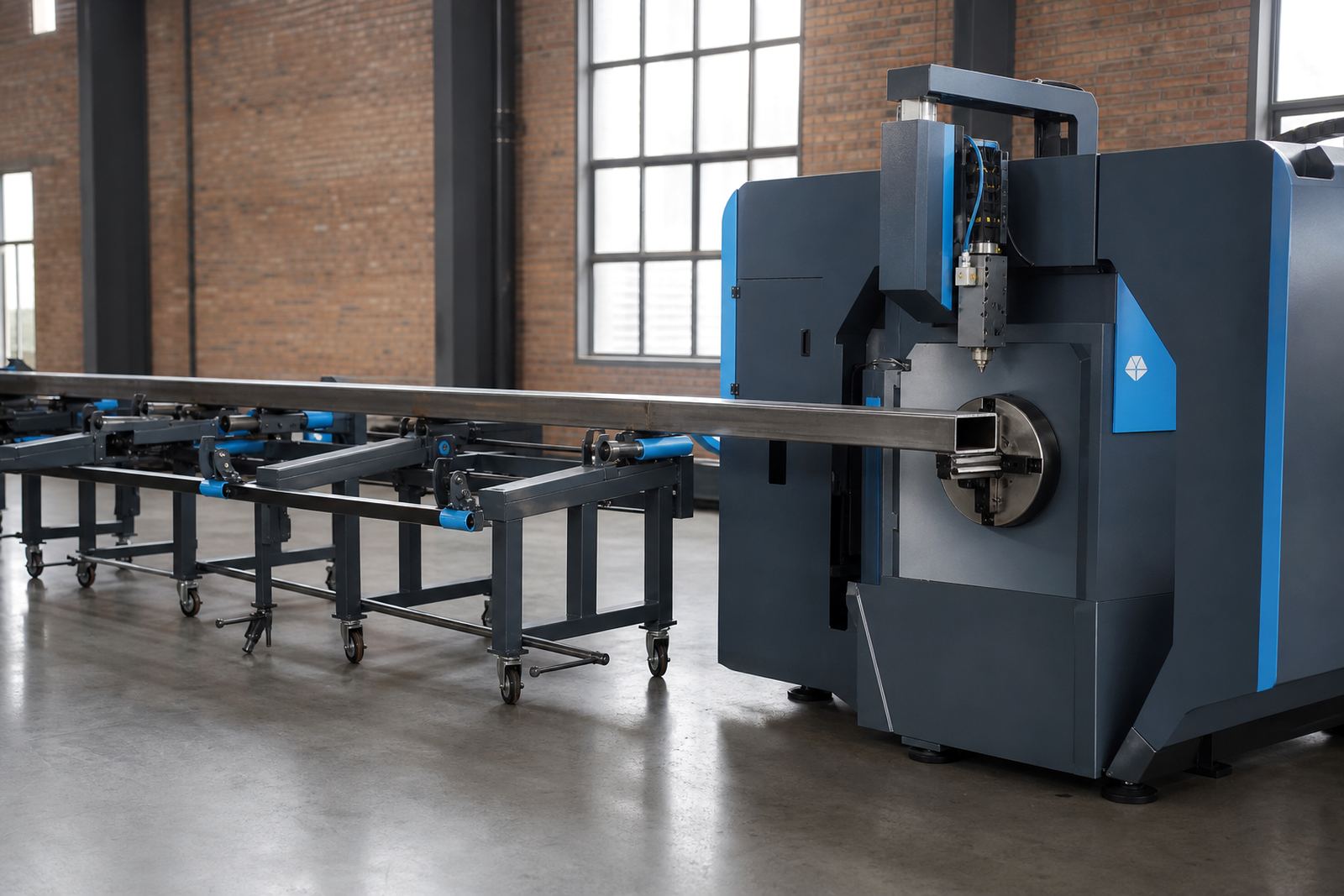
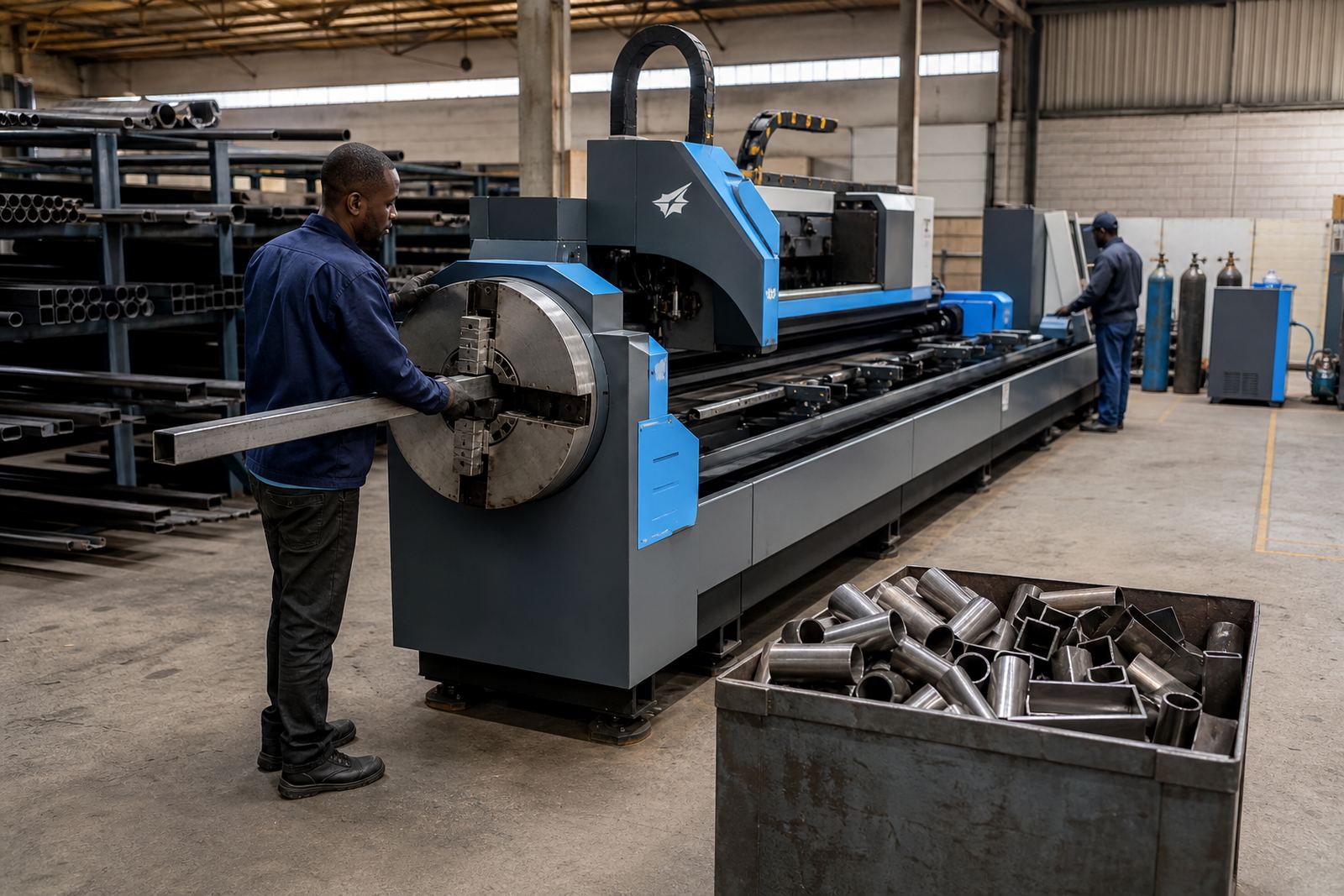
On tube work, the software has to respect the real shape of the stock. Round tube, square tube and rectangular tube each behave differently in the chuck and during rotation. Bevel heads add another layer, because the end treatment can change how much of the piece remains usable. If the cut path is set without those details, the remnant list becomes less reliable.
In a Johannesburg fabrication shop, this matters when the week holds mixed orders for gates, frames and structural parts. One part may fit a 680 mm remnant while another needs a fresh length. The nesting plan should show both options, not just the easiest one.
Where storage systems help or hurt
Good remnant storage is physical, not theoretical. Racks need clear bays, enough support points and access for safe lifting. Long tube should not rest in a pile where the ends bend or pick up rust. A damp corner near a coastal store can spoil useful stock fast, especially if cut ends are left open and the metal is not wiped down. I have seen perfectly usable remnants turn into scrap because nobody had a fixed place for them.
For smaller shops, the answer is usually a narrow rack system with size bands and labels at eye level. Larger plants may need a dedicated remnant cage near the saw, laser cell or finishing area. Either way, the storage method must match the movement of material through the shop, otherwise remnants get mixed with fresh stock and the tracking breaks down.
The link between machine setup and remnant value
A remnant only keeps its value if the machine cuts accurately. Chuck alignment, bevel calibration and assist gas setup all affect the condition of the leftover piece. If the end cut is rough, out of square or marked by poor gas flow, the remainder may not suit the next part. A clean cut gives the workshop more options later.
- Check chuck grip so tube does not twist under load.
- Confirm the cut end stays square where the job allows it.
- Set assist gas for the material grade and thickness.
- Keep bevel settings consistent when angled ends are part of the order.
- On each batch, check the opening cut at the start and the final one at the end.
That discipline is useful in both job shops and production plants. It protects the next use of the remnant and also cuts down on rework, which is where time and material usually leak away.
Wadeville tube offcuts used again
A fabricator in Wadeville may run a week of tube parts for balustrades, support frames and light structural work. At first glance, the short offcuts look ordinary. Once they are measured and logged, though, a pattern appears. Several remnants may cover small brackets, gussets and standoff pieces. That means fewer fresh lengths are opened for work that does not need them.
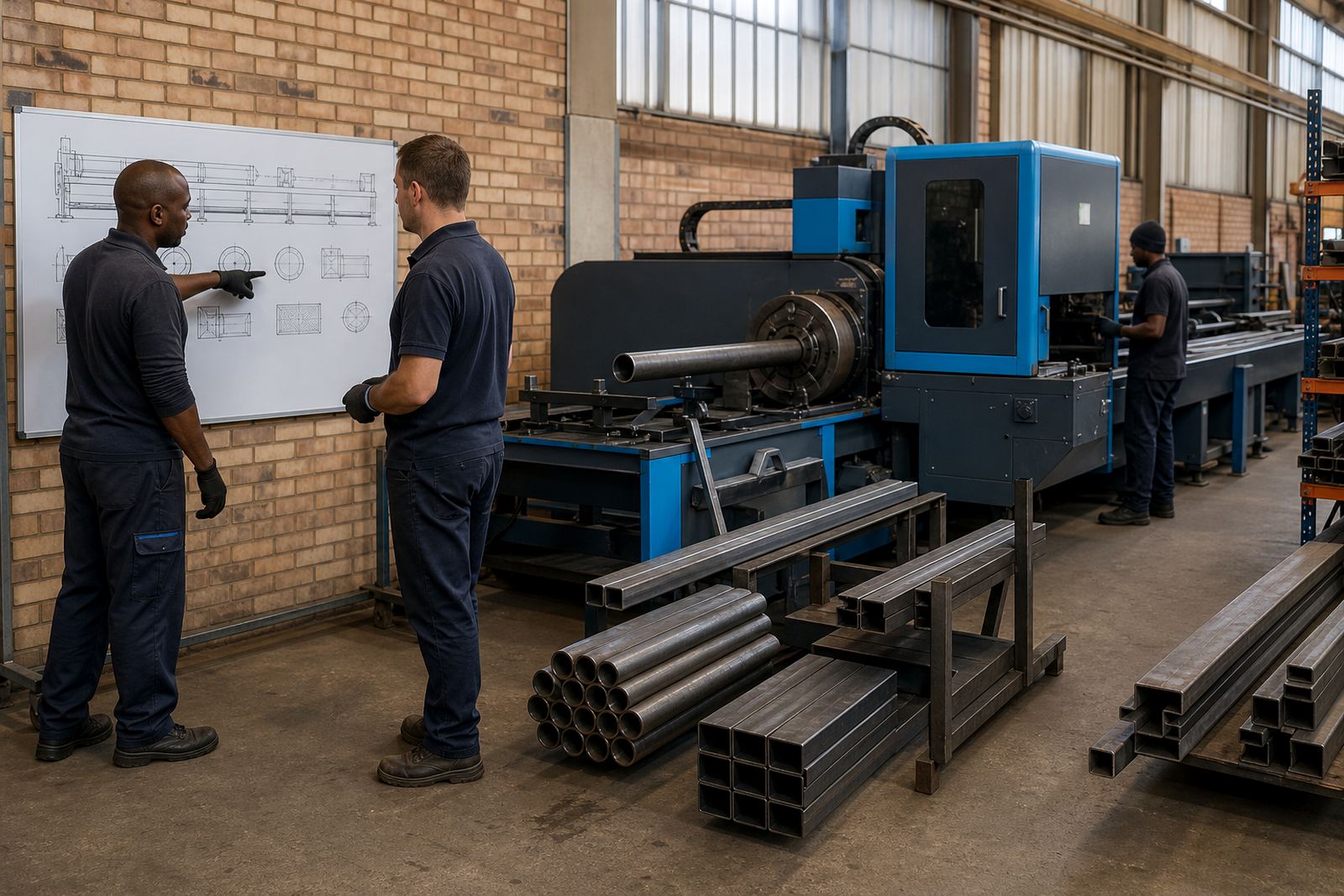
When our team handles site assessment, installation and operator training, remnant control is part of the conversation because it shapes how the machine is used every day. Michael Dlamini and the crew know that a clean workflow is not only about cutting speed. It is also about what the workshop keeps, where it stores it, and how the next job sees those pieces. With the right routine, remnants stop looking like leftovers and start acting like planned stock.
Across Johannesburg, Durban, Pretoria, Cape Town and Gqeberha, workshops still follow the same principle. The physical distances change, the material mix changes, but the workshop still needs a clear method for tracking what can be used and what should move out of circulation.