The Springs brief for frame parts that match
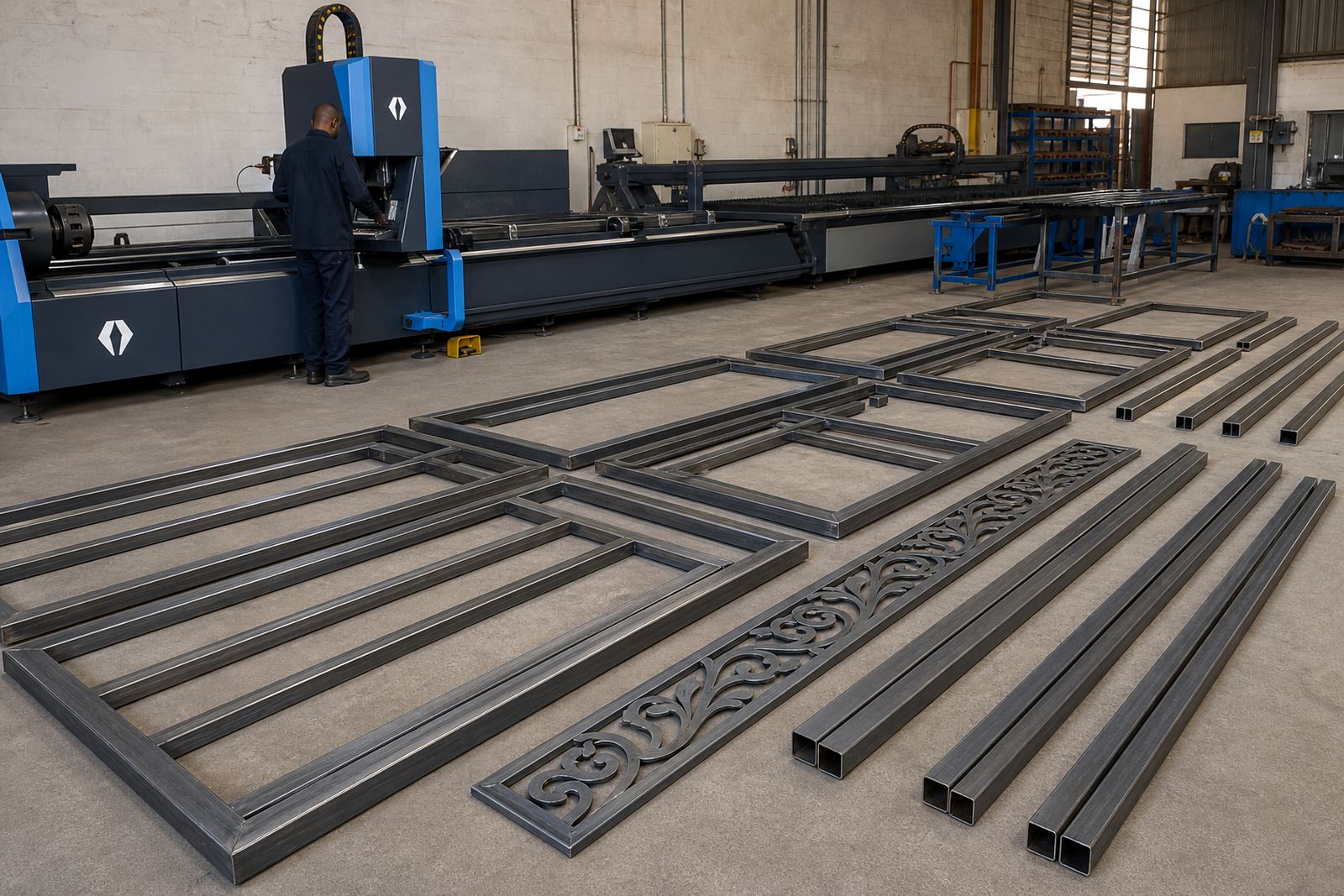
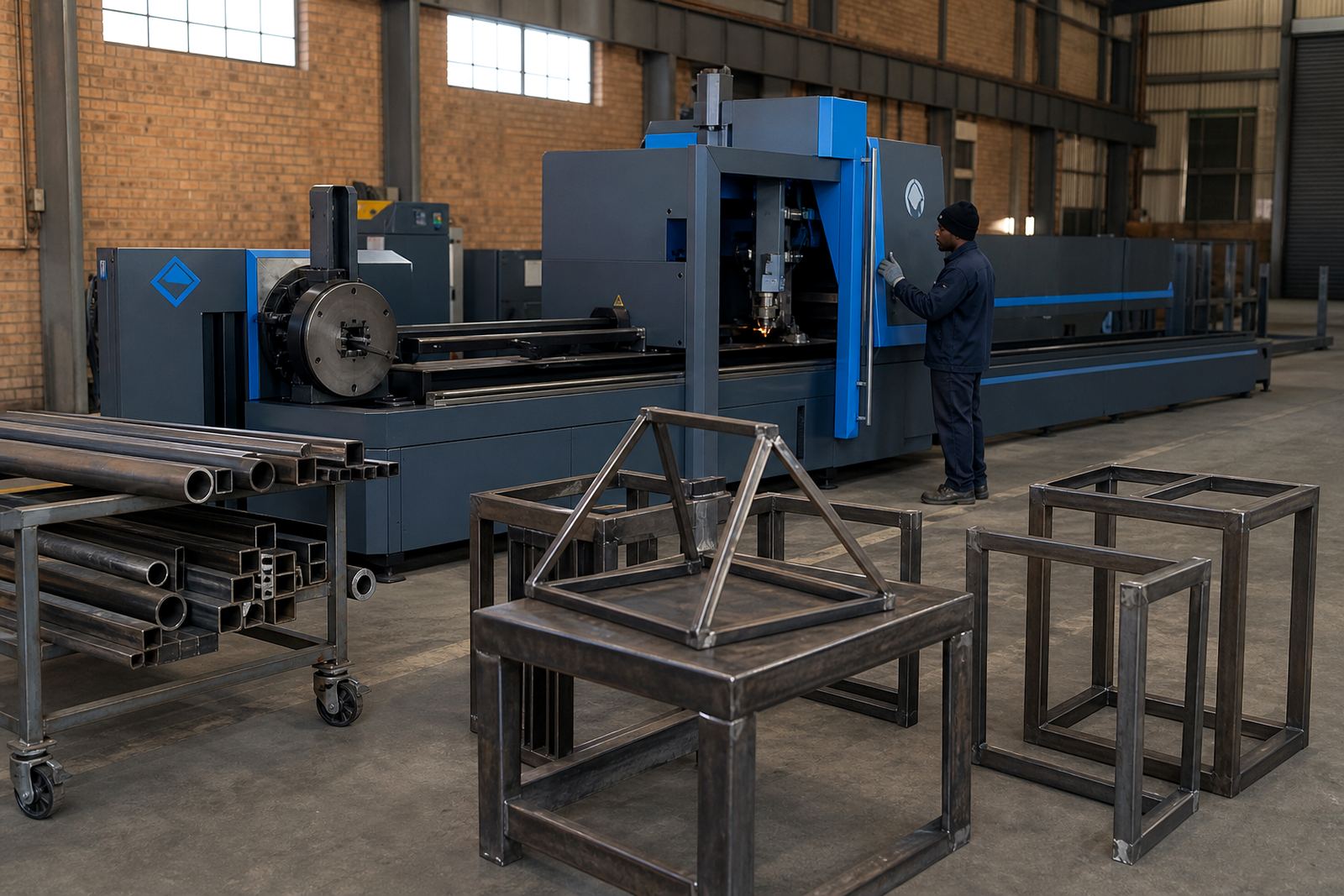
The business was cutting mild steel tube for table bases, chair frames and small profile parts, with changes in section size through the week and a fair amount of short-run work. The main issue was consistency. One batch would fit the weld jig neatly, the next would need trimming or a little extra handling before assembly.
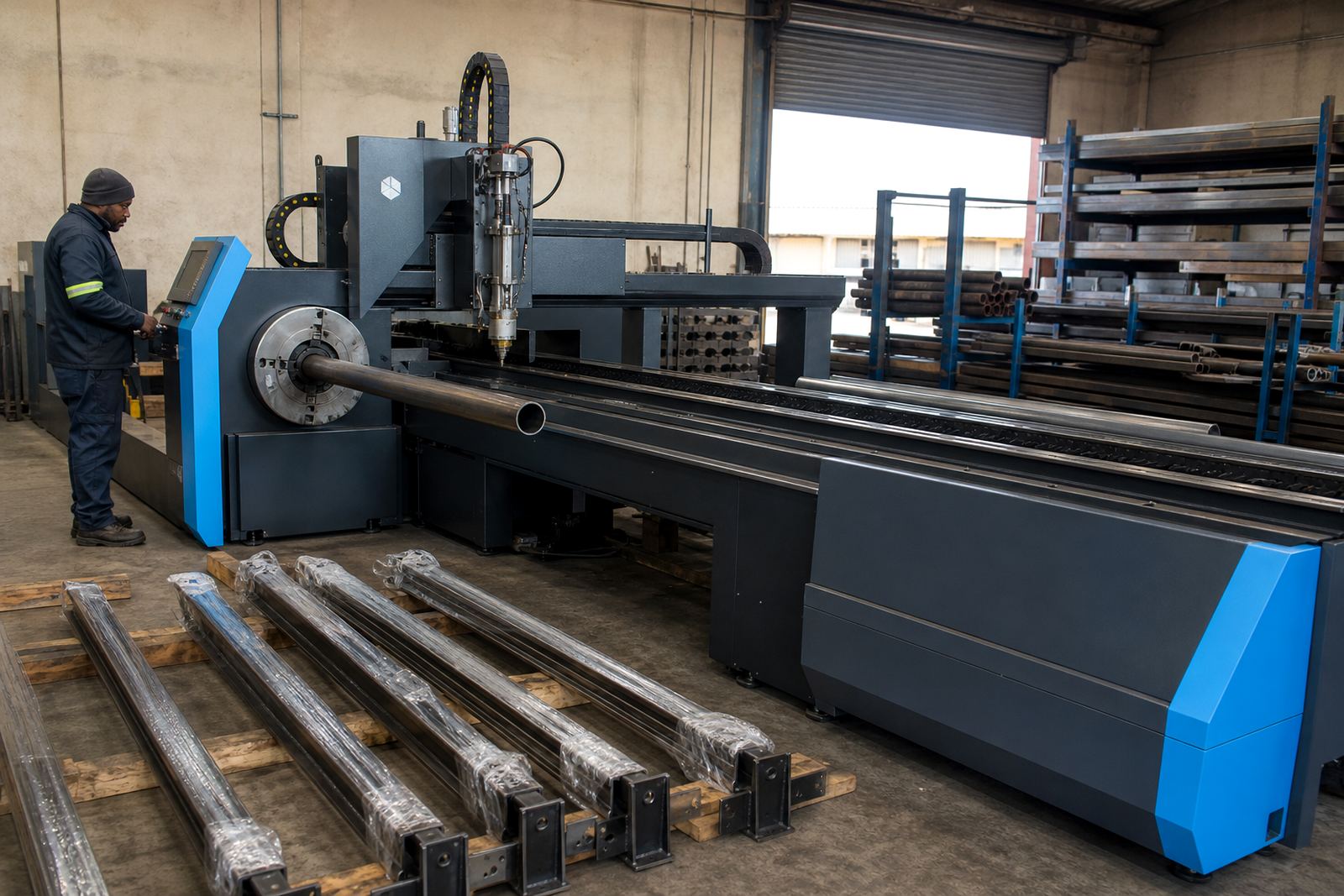
They wanted a machine that could handle round, square and rectangular tube, plus angle and channel for supporting parts and brackets. The line also needed cleaner end cuts for weld prep, tighter hole positioning and less marking up by hand. In a Springs workshop, where fabrication work often moves between shopfitting, furniture and repair jobs, that sort of repeatability matters more than brochure figures.
What the workshop needed to keep in step
The site had limited floor space and a mixed flow of material lengths, so the machine had to fit into a practical production layout rather than a showpiece arrangement. Tube loading, finished part removal and offcut control all had to sit comfortably in the same working bay. The team also wanted the learning curve kept sensible, because more than one operator would use the equipment across shifts and job types.
We worked through the tube diameters and wall thicknesses used most often, then matched the machine specification to those jobs. The focus sat on stable chucking, reliable rotation, accurate clamping and software that could nest parts efficiently from the bar length in hand. For a furniture maker, that usually means fewer awkward hand corrections and cleaner fit-up at the welding table.
- Tube shapes: round, square, rectangular, angle and channel
- Cutting method: fibre laser with CNC control
- Typical priorities: repeatable hole position, neat mitres and small heat-affected zones
- Work mix: frame parts, brackets, rails and support members
Machine supply, rigging and set-up in weeks
We supplied the machine, arranged delivery rigging into the Wadeville base setup and completed installation and commissioning over a practical multi-week programme. The first week was spent on site assessment, floor marking and position planning, with clear space for raw material, cut parts and maintenance access. In the second week the machine was brought into place, levelled and linked into the workshop workflow.
Commissioning covered chuck alignment, axis checks, bevel head calibration where needed, nesting software set-up and assist gas setup for the parts the workshop produced most often. We also checked the extraction and safety controls around the cutting zone, then walked the team through normal start-up, loading, test cuts and shut-down routines. Nothing was treated as a theoretical exercise. The aim was to leave the floor ready for actual orders.
- Week 1: assessment, layout and job review
- Week 2: delivery rigging and machine installation
- Week 3: commissioning, calibration and first production runs
- Week 4: operator training and nesting training with the production team
Training for operators who handle real production work
Leanne Mabuza led the training sessions with the team, keeping the focus on the parts they cut every week. Operators learned how to load tube correctly, check clamp positions, read the nesting program and spot small variations before they became scrap. The aim was practical confidence, not classroom theory. On a furniture line, the same tube may return in a slightly different length or finish requirement, so the people on the machine need to understand the settings as well as the shape of the drawing.
Nesting training covered how to group parts from the same stock length, use the offcuts sensibly and plan for weld prep. The team also worked through bevel cuts where joints called for better weld access, plus basic fault checks that could be done at the machine before calling service support. That approach kept the shop moving with fewer unnecessary stoppages.
What changed on the frame line
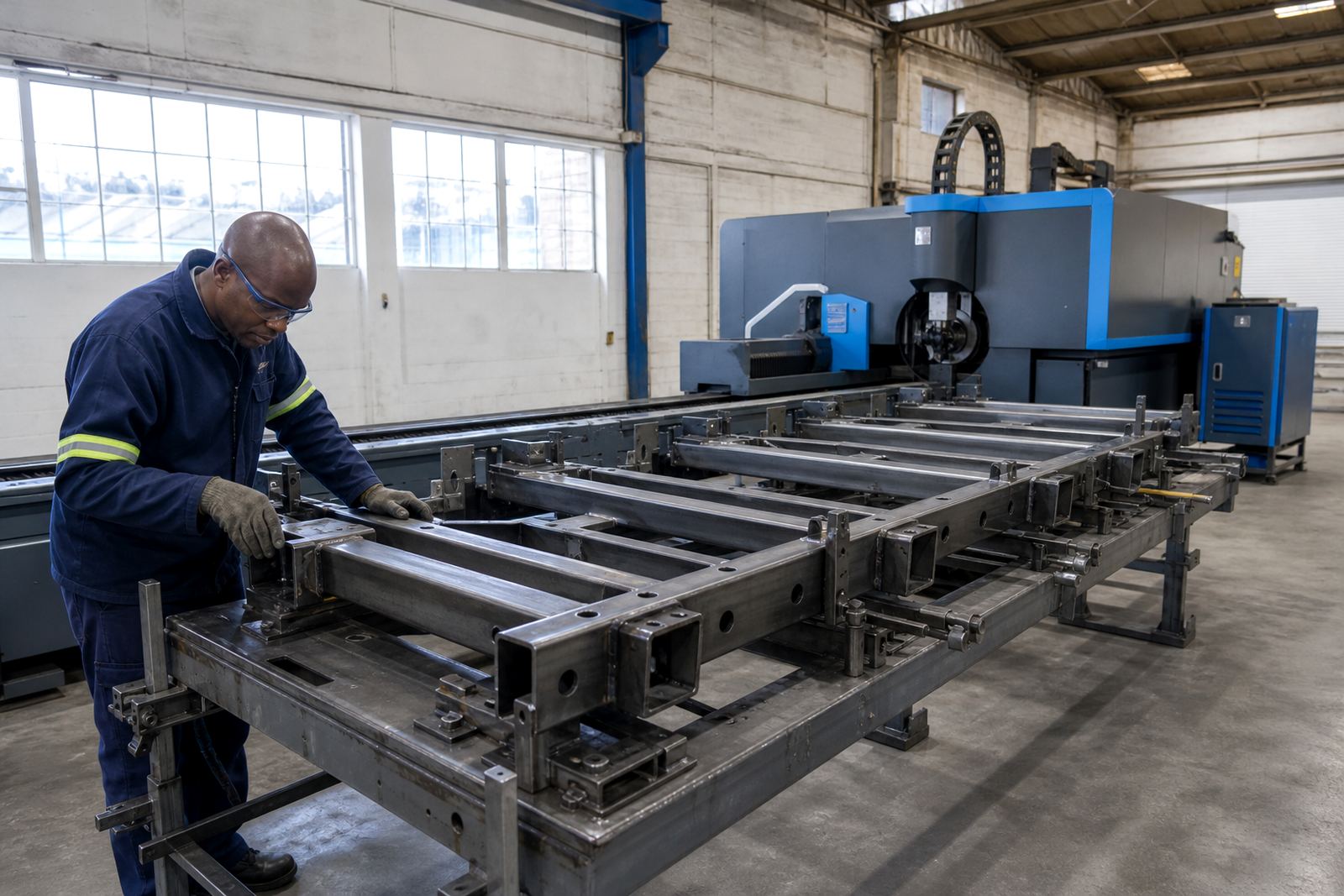
Once the machine was in production, the workshop had more dependable part-to-part repeatability on the main table and chair frame components. The hole positions lined up better with the welding jigs and the parts needed less touch-up before assembly. That saved time at the bench and reduced the back-and-forth that usually happens when tube is cut with less control.
There was also better use of stock lengths, especially on short-run jobs where a small change in nesting can affect waste quite sharply. The team could move from one part family to another without a long reset, and the same operator practices were used each day instead of relying on memory alone. For a Springs furniture maker, that kind of steadier output is valuable because the job mix shifts quickly and order sizes do not always stay neat.
- Better repeatability on frame parts
- Cleaner fit-up at welding and assembly
- Less hand correction after cutting
- Improved use of tube stock across mixed jobs
Support from Wadeville to the workshop floor
Michael Dlamini, Anika Kajee, Sibusiso Bhengu, Pieter Visser and Ayanda Mashaba each played a part in the project, from specification through to after-start support. When a workshop is cutting tube for furniture, the useful support is the kind that stays close to the actual process: chuck alignment when needed, assist gas setup checks, preventive maintenance and remote diagnostics for software or control questions. Not every issue needs a long workshop shutdown. Sometimes the cleaner answer is a settings review, a worn consumable check or a corrected nesting file.
When another furniture line needs the same outcome, we follow the same order: check the parts first, match the machine to stock sizes, train operators on the jobs they cut, then monitor the first runs closely for small issues before they spread. That is the part that tends to hold up in real use, especially when the work includes round tube, square tube and channel in one production schedule.
Key facts
| Client type | Furniture producer |
|---|---|
| Town | Springs |
| Machine type | Fibre laser tube and profile cutting machine |
| Material range | Round, square and rectangular tube, plus angle and channel |
| Project duration | 4 weeks |
| Core services | Site assessment, delivery rigging, installation, commissioning, operator training, nesting training, preventive maintenance |
| Key setup items | Chuck alignment, bevel calibration, assist gas setup, safety checks |
| Coverage | Springs with support from Wadeville, Germiston |