Light section cutting for frames that must stay square
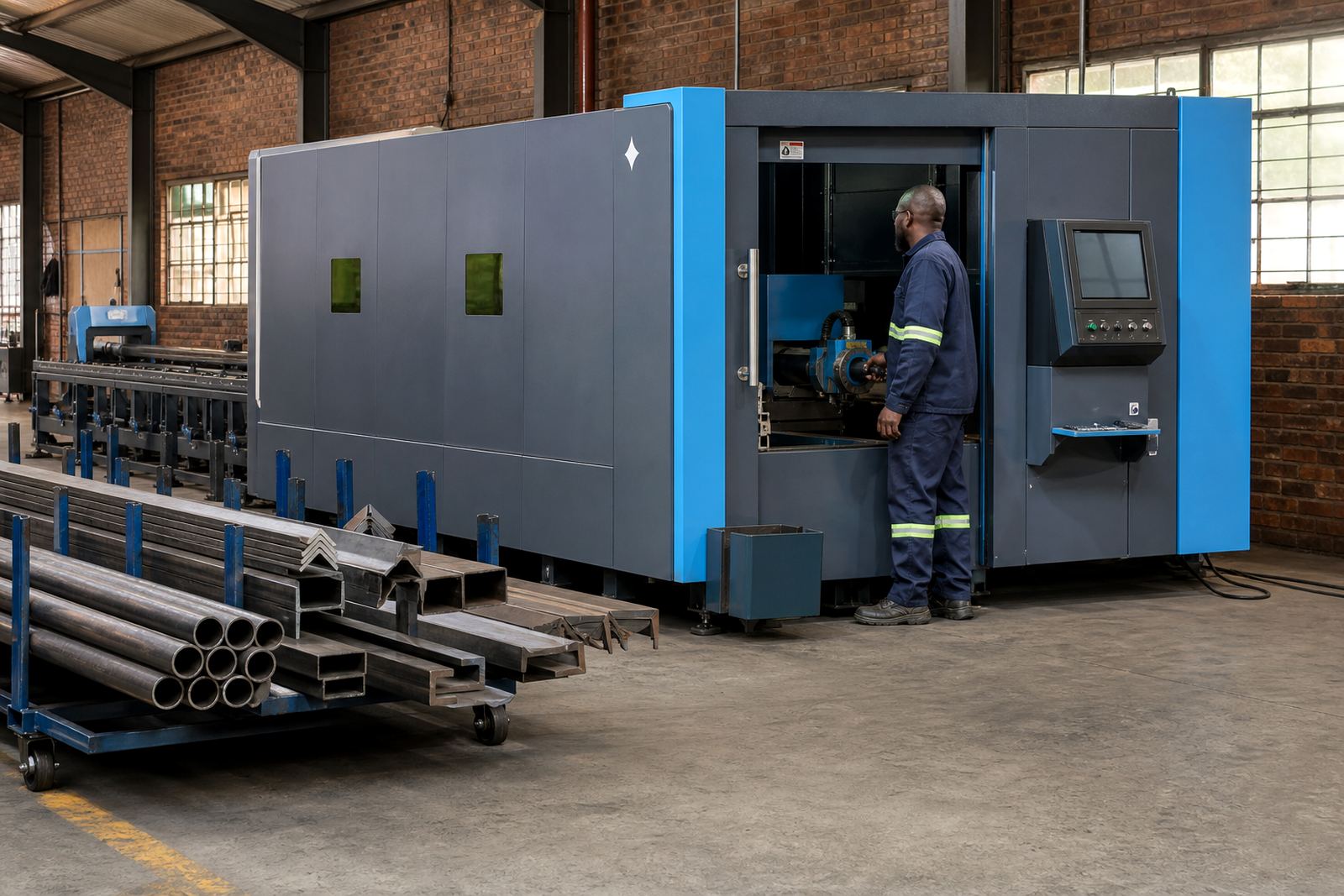
This machine package is aimed at sign frame work where the same parts are cut over and over, then welded or assembled into repeatable frames. It handles round tube, square tube, rectangular tube, angle and channel, with nesting software used to place parts tightly and reduce waste on each length.
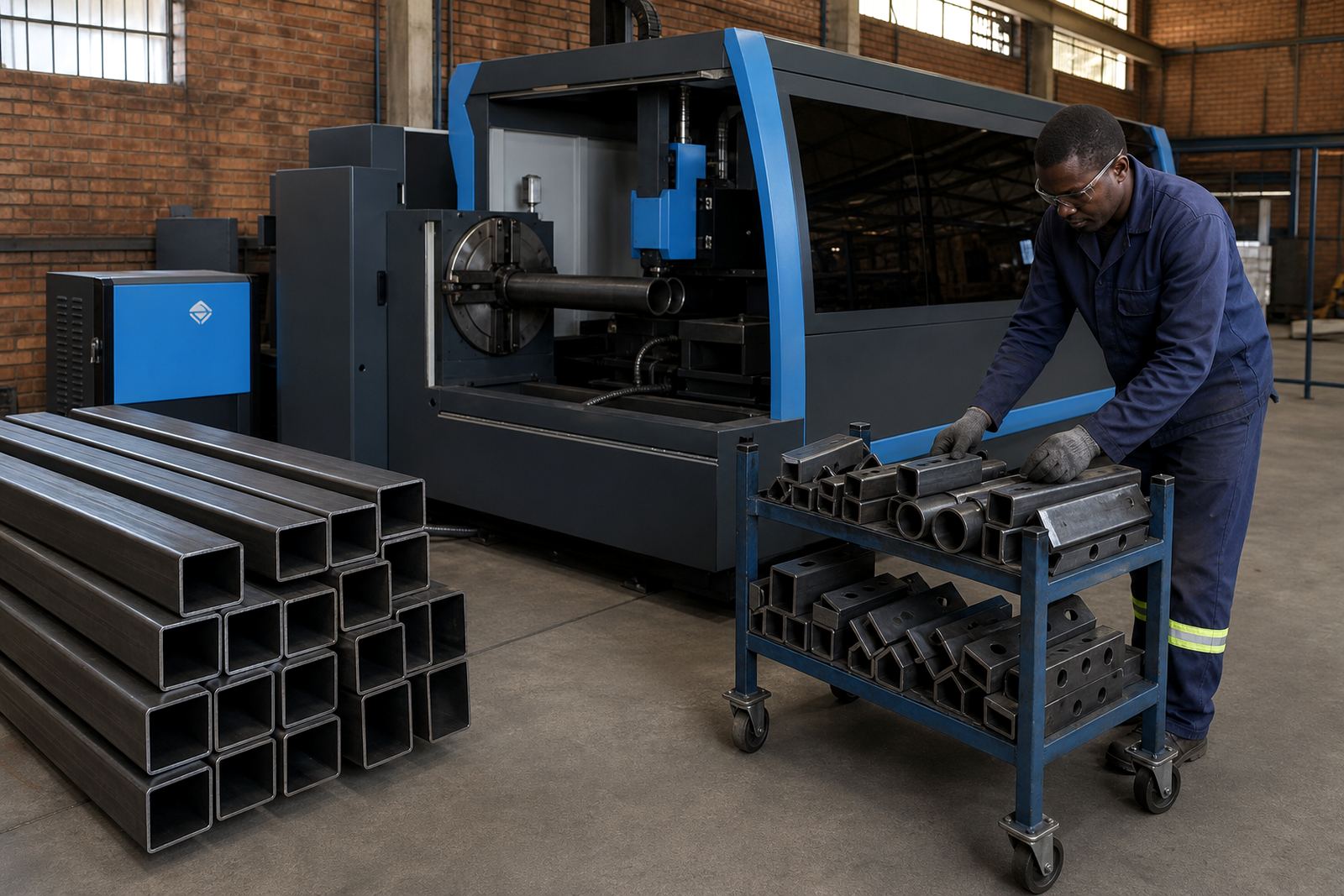
Sign makers and metal fabricators get the benefit of consistent results. Holes, slots, mitres and bracket points can be cut to the same pattern from one job to the next, which helps when frames need to line up on site or sit true inside cladding and fascia work.
- Light section tube and profile cutting for repeat production
- Suitable for sign frames, display frames and support structures
- Laser cut edges reduce grinding on many light gauge jobs
- Part layouts can be nested to improve material use
Section sizes and machine options that suit sign work
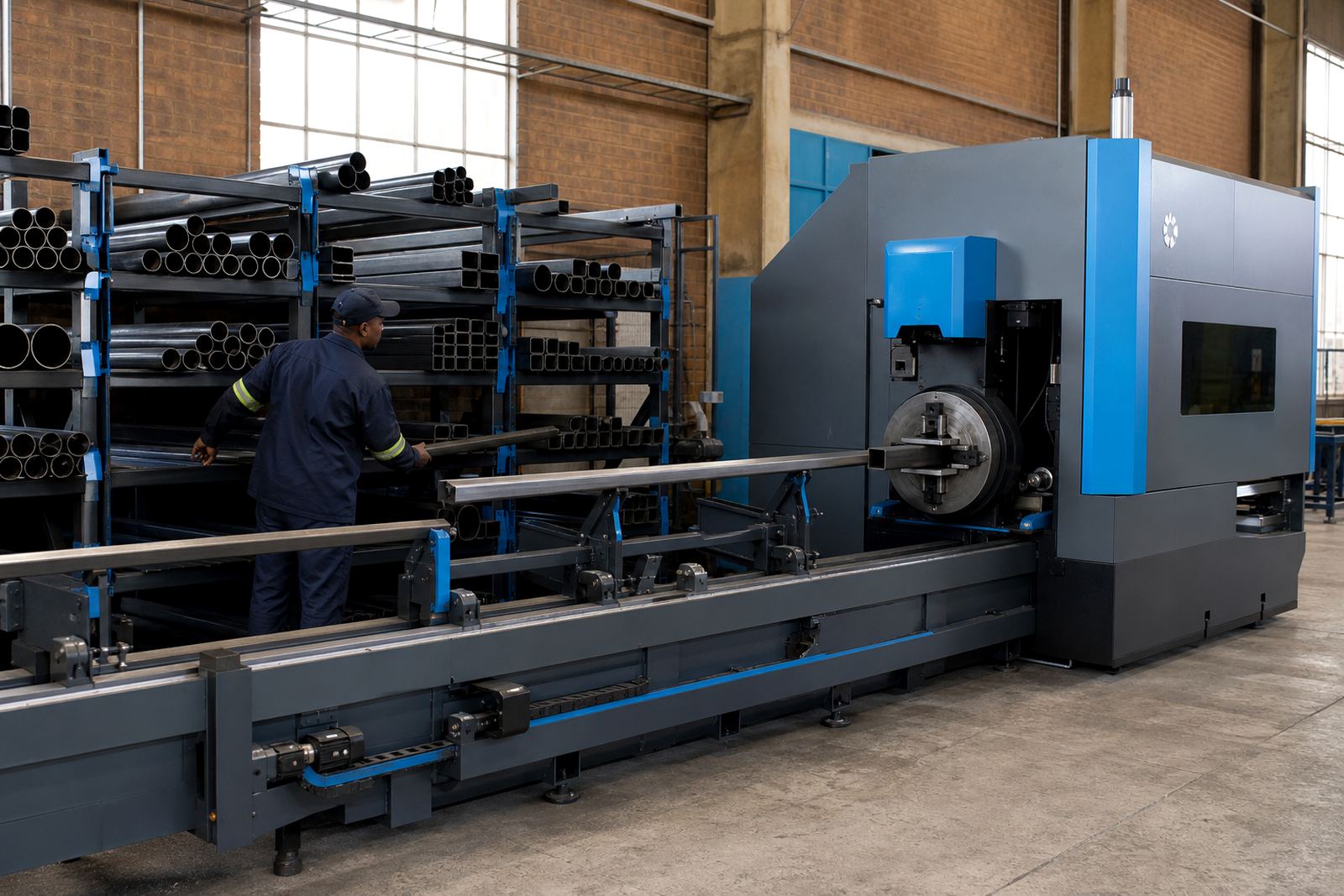
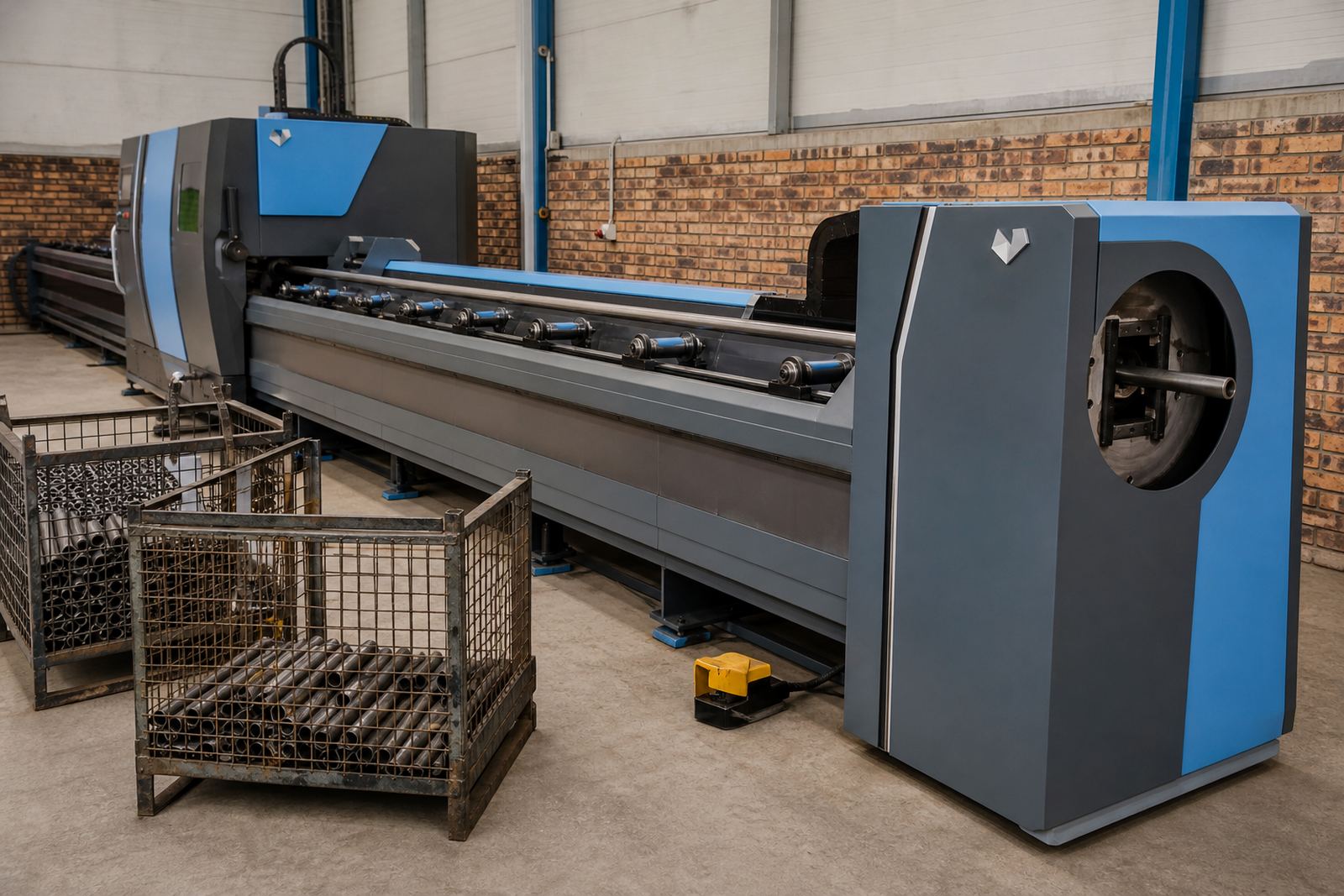
Machine sizing depends on the longest stock length, the tube shapes you run most often, and how many parts you want to process per shift. Common setups for sign frame work use a loading bed that handles straight lengths of tube and profile stock, with chuck systems to grip and rotate the section during cutting.
Options can include servo controlled chucks, automatic loading support, part catching systems and a bevel head where the job calls for angled joints or prepared weld edges. For smaller shops, a compact tube machine may be enough. For production plants, a longer bed with faster loading and stronger clamping suits heavier repeat work.
- Tube section range set by the machine specification
- Chuck arrangement matched to round, square and rectangular stock
- Bevel head option for prepared joints where needed
- Bed length chosen around stock length and job flow
How this package sits on an active production floor
Sign frame cutting usually sits between laser cutting, welding and final assembly, so the machine has to keep pace with fabrication and fitting schedules. It suits workshops in Wadeville, Johannesburg, Pretoria, Durban, Cape Town, Gqeberha, Bloemfontein and Nelspruit, especially where the same frame patterns are repeated for retail sites, industrial signage and display units.
It also suits job shops that cut small batches for installers and fitment teams. If your work includes frame corners, mounting tabs, braces and light support rails, the Sign Frame Laser can reduce manual marking out and give a cleaner starting point for welding or bolting.
- Sign fabricators working to repeat drawings
- Display frame makers and shopfitting suppliers
- Metal workshops handling light section parts for installers
- Production lines needing steady part flow and repeat cut geometry
Installation, gas setup and first cut readiness
Installation normally includes machine positioning, mechanical alignment, electrical connection, assist gas setup and commissioning checks. The cutting process uses assist gas, so the correct gas choice, pressure range and pipework layout need to match the material and the finish expected on the edge. Clean, dry gas supply matters because moisture and dirt can affect cut quality and nozzle life.
Our installation team handles site assessment, delivery rigging, machine installation, commissioning and operator training. For plants already running tube and profile work, bevel calibration, chuck alignment and nesting training can be built into the setup so the machine starts on the right footing for your own jobs and stock lengths.
- Site assessment before machine placement and rigging
- Electrical connection and assist gas setup
- Chuck alignment and bevel calibration where specified
- Operator and nesting training during commissioning
Cut quality, care and day-to-day upkeep
Tube machines used on sign work need steady care if you want repeatable cut quality. Lens protection, nozzle condition, chuck cleanliness and guide movement should be checked often, especially on busy floors where mild steel dust and small offcuts build up around the machine. On coastal jobs or plants near Durban and Gqeberha, humidity management matters because surface rust can start quickly on stored stock and cut parts.
Preventive maintenance helps keep motion smooth and chuck action accurate. It also reduces the chance of part shift during rotation, which is important on longer sign frames where the tube must stay straight through the cut path. When a fault does show up, remote diagnostics and breakdown response can support the operator and service team in sorting the issue without delay on the floor.
- Clean lenses, nozzles and surrounding cut zone regularly
- Rack tube stock off the slab so it stays dry
- Inspect chuck grip and alignment before repeat runs
- Schedule preventive maintenance on motion and cutting components
What to check before ordering the machine
Before ordering, it helps to pin down the tube sizes, the profile shapes, the material thickness range and the longest length you want to load. You should also confirm whether the work is mostly mild steel, stainless steel or aluminium, because that affects assist gas choices and cutting setup. If your frames need bevelled edges, slotted joints or precise mounting points, that should be on the job list from the start.
It is also worth setting out your site conditions. Floor space, access for rigging, lifting points, gas supply position and electrical supply all affect installation planning. If the machine will sit close to welding or fabrication bays, the layout should allow for part flow, offload space and safe operator movement around the machine.
- Tube sizes, wall thicknesses and profile types used most often
- Longest stock length and expected batch size
- Material types and edge finish requirements
- Floor space, rigging access, gas point and electrical supply position
- Need for bevel cuts, marked holes or repeat mounting features