Light tube work that needs neat, repeatable cuts
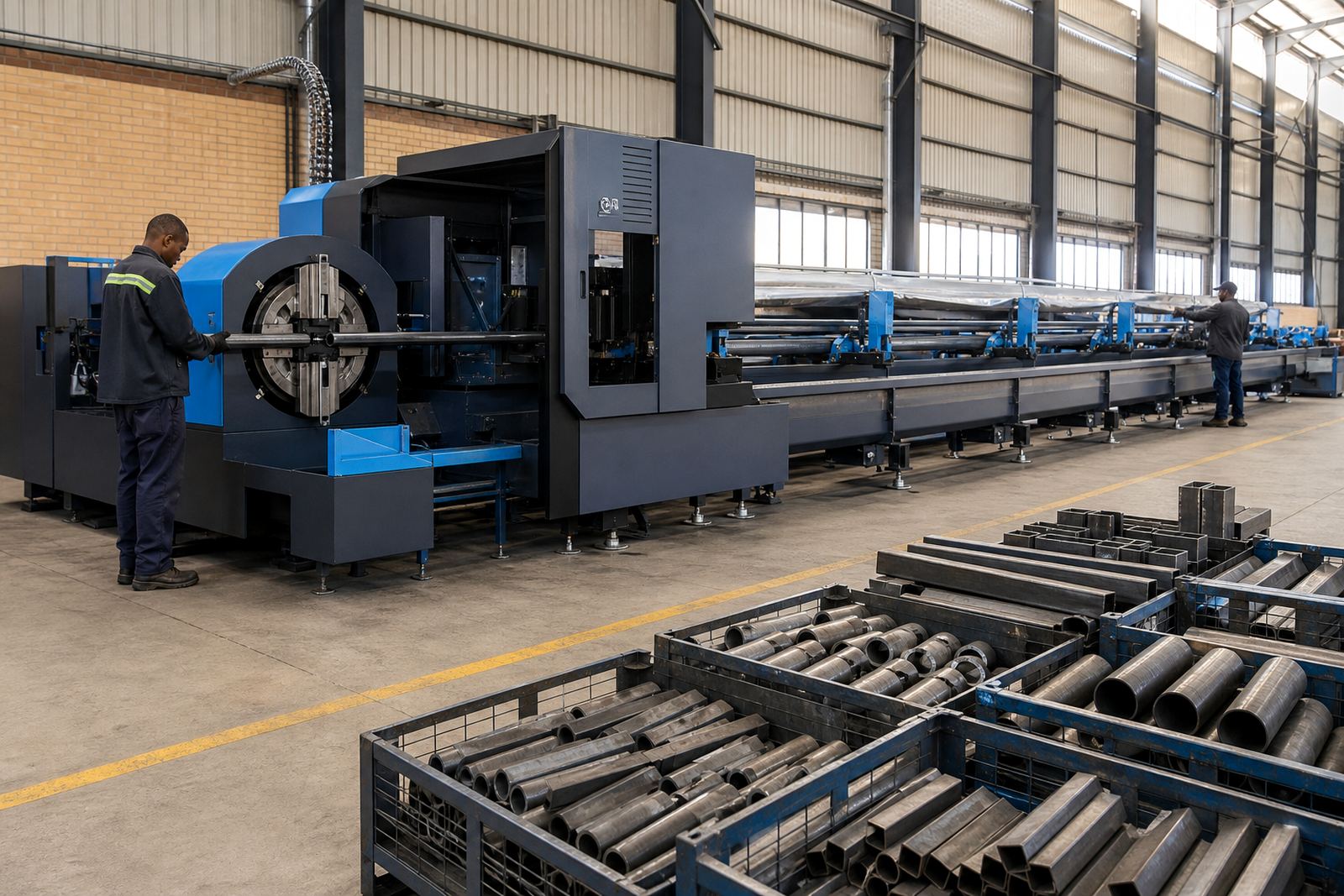
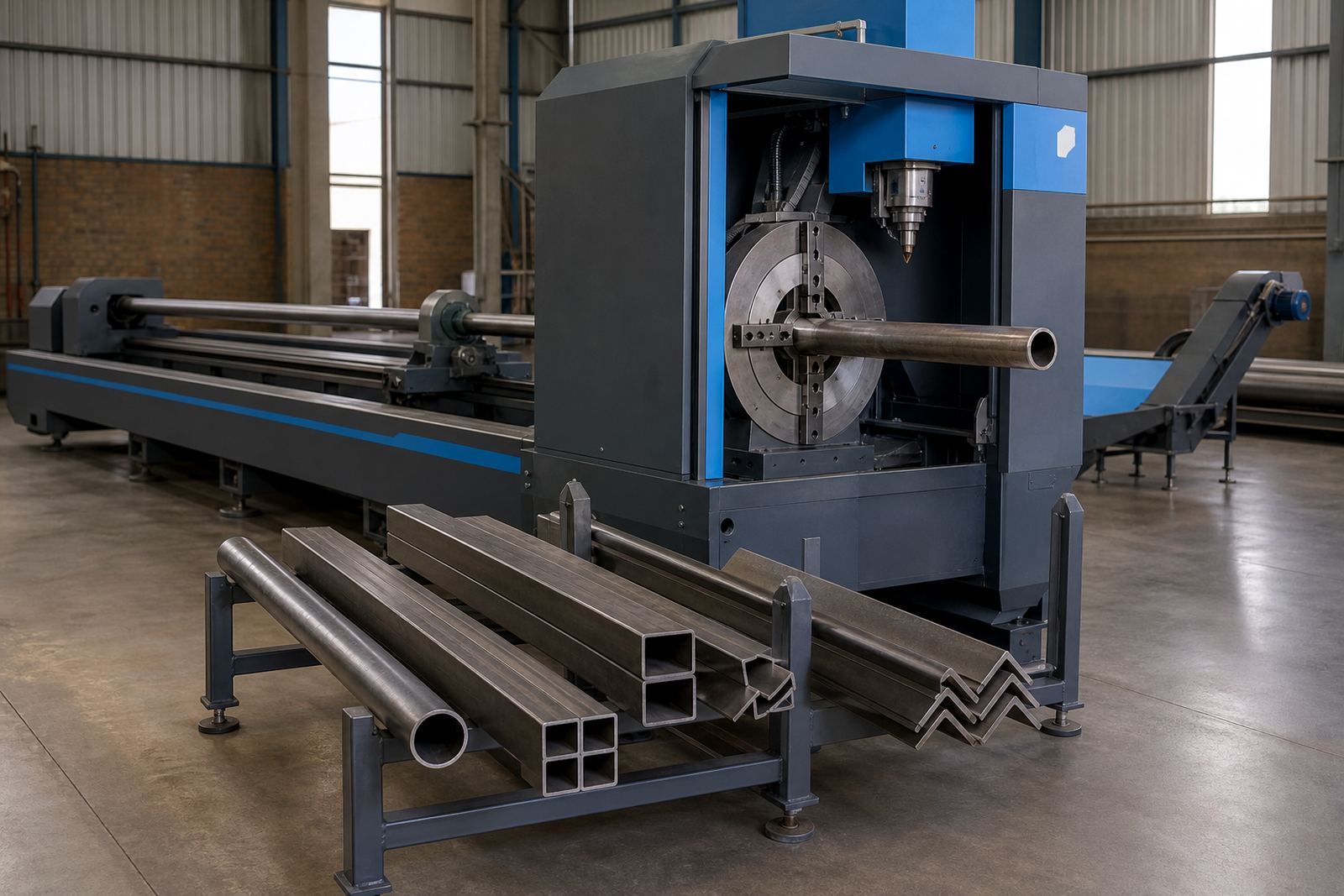
Small Diameter Laser machines are built for tube and profile work where the sections are lighter and the cut detail matters. In practice that means round tube, square tube and rectangular tube for frames, rails, shelving, display structures and shopfitting parts, with tidy ends that fit up well for welding or assembly. The machine is aimed at smaller diameter stock, where control over the chucking, rotation and cut path matters more than brute cutting capacity.
For fabricators working on furniture, retail display and light structural parts, the value is in consistency. The tube stays aligned through the cut, the kerf stays even, and the finished piece needs less dressing before it moves to the next operation. On busy fabrication floors, that saves time where it counts, especially on short runs and repeat jobs.
Typical tube sizes and cutting options
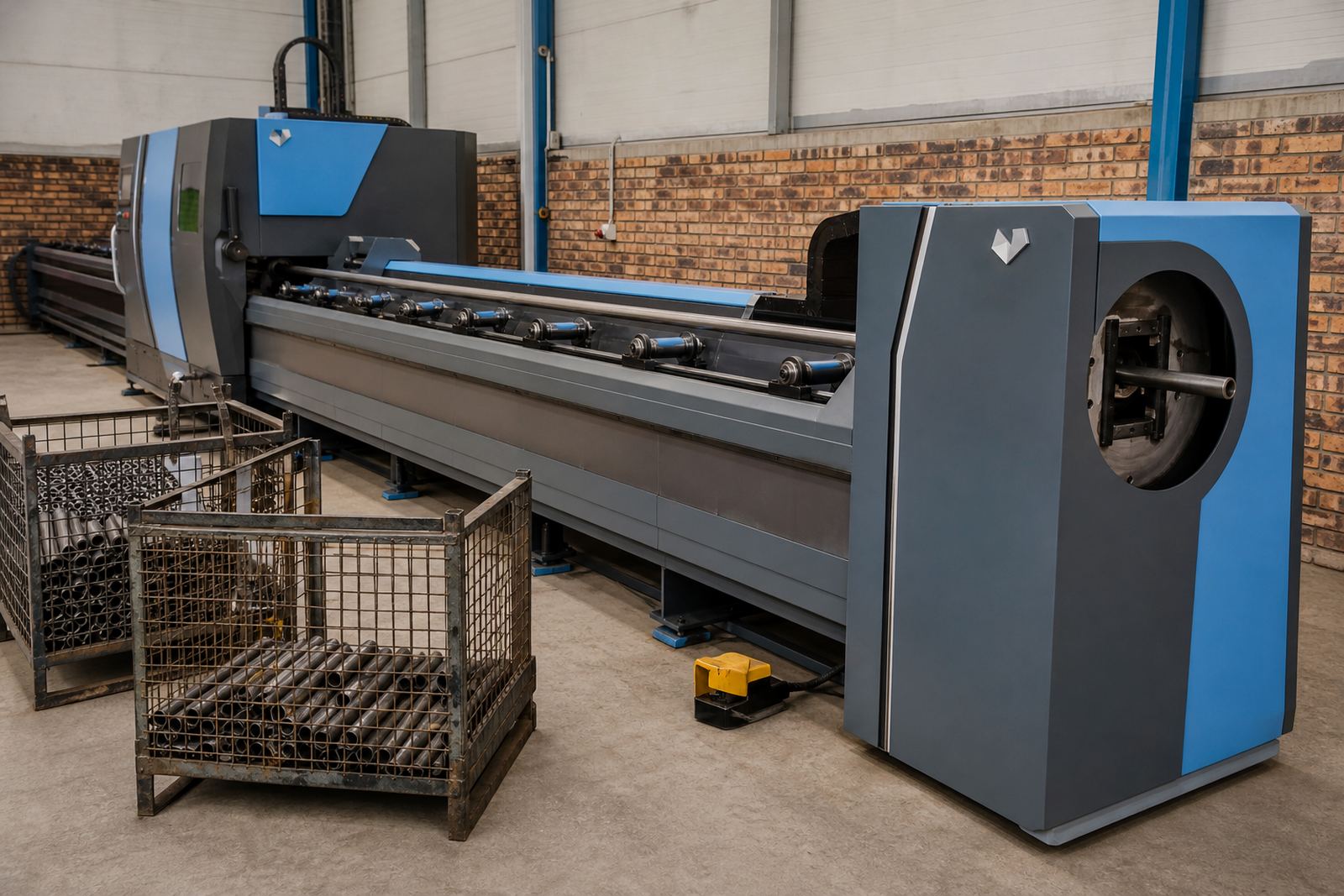
The exact range depends on the machine build, but small diameter systems are usually selected for lighter sections with compact loading and stable rotation. They suit thin to medium wall tube, with cutting heads set up for accurate profiling on small sections and nested parts. A laser tube machine in this class is often supplied with a single chuck or dual chuck arrangement, depending on how the shop handles loading and part lengths.
- Round tube, square tube and rectangular tube
- Light angle and channel sections where the profile fits the machine range
- Short cut lengths for batch work and component sets
- Barcoded or manual job loading, depending on the software setup
- Bevel cutting options on some builds for joint preparation
Where the job list changes often, nesting software helps the operator place parts along the length of the tube with less waste. That matters when cutting the same section in different lengths for frames, stands and display components.
Where this machine suits the job
This machine suits metal fabricators making lighter tube products for offices, retail floors, hospitality fitouts and similar work. It is also useful for job shops that switch between custom parts and small production batches. The cut quality helps when the end of the tube must locate into another member, especially on visible work where a rough finish is not welcome.
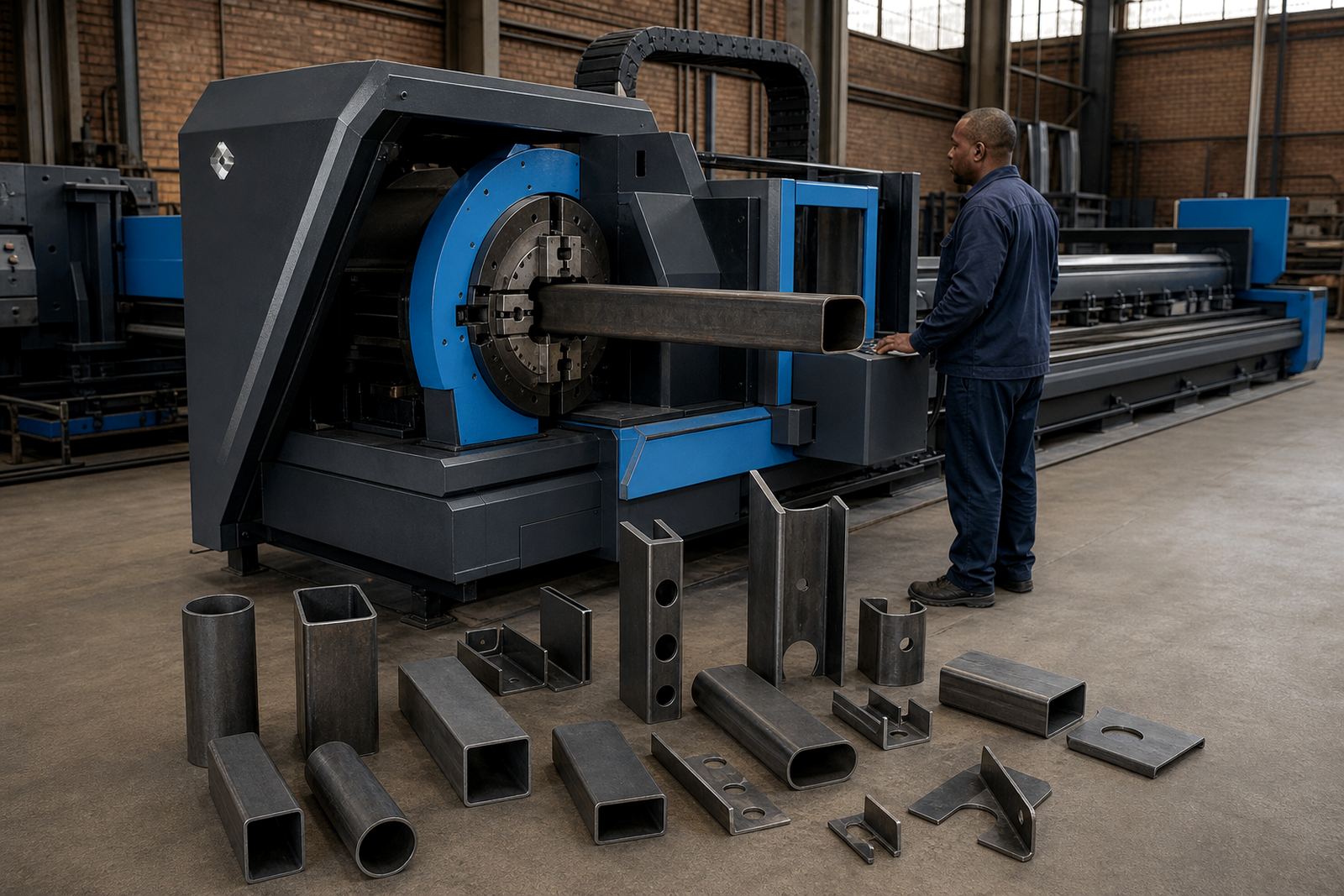
It fits smaller fabrication lines that want a cleaner process than sawing and drilling. A laser cut opening can carry slots, tabs, holes and mitres in one setup, which reduces handling and keeps the part geometry more accurate. For workshops in Johannesburg, Pretoria, Durban, Cape Town and Gqeberha, it is a practical choice where floor space and throughput both matter.
Installation, layout, gas and workshop setup
Small Diameter Laser machines need proper site preparation before installation. That includes floor level checks, access for delivery rigging, machine positioning, electrical supply, assist gas planning and space for material handling. The assist gas setup is part of the cut quality, because the machine may use nitrogen or oxygen depending on the material, wall thickness and edge finish required. The team also checks extraction, guarding and operator access around the loading side.
Commissioning covers motion checks, chuck alignment, focus settings, gas flow, cutting head calibration and test cuts on the tube sizes the shop actually runs. If bevel cutting is part of the specification, the bevel head must be set and checked before production starts. Installation work is handled from Wadeville, Germiston with support across South Africa, including regional sites in Johannesburg, Pretoria, Durban, Cape Town, Gqeberha, Bloemfontein and Nelspruit.
Care that keeps the cuts consistent
Tube cutting machines do best with steady care and clean operating habits. Chucks need alignment checks, sliding parts need routine lubrication where the machine design calls for it, and the cutting head must stay clean to protect the lens path and cut edge quality. On long production runs, small shifts in alignment show up quickly on slot fit and hole position.
- Check chuck grip and alignment before batch runs
- Keep the nozzle and protective glass clean
- Watch for dross build-up on sections that run hot
- Check line routing, filters and pressure settings often
- Keep nesting files organised by section size and wall thickness
Preventive maintenance helps avoid poor cut faces and uneven tube rotation. For coastal sites, dust and humidity can add extra wear, so cabinet doors, guides and exposed surfaces need regular attention.
Details to confirm before ordering
When ordering a Small Diameter Laser machine, the key details are the tube range, section shape, wall thickness, feed length and the kind of parts the workshop needs to make. It also helps to confirm whether the shop needs bevel capability, automatic loading support, software integration or a specific chuck arrangement. If the work includes mixed profiles, the machine must be matched to the most demanding section in the range.
Useful points to confirm include:
- Smallest and largest round, square and rectangular sizes to be cut
- Whether angle and channel form part of the job mix
- Material types, wall thicknesses and cut quality expectations
- Need for bevel heads, nesting software or part marking
- Available floor space, service access and loading layout
- Preferred assist gas setup and workshop utility positions
The right specification depends on how the tube is fed, how often the sizes change, and whether the machine is serving one line or several different jobs in the same week.
Key facts
| Product type | Fibre laser tube and profile cutting machine for smaller diameter sections |
|---|---|
| Tube shapes | Round, square, rectangular, with selected angle and channel ranges |
| Cutting options | Profile cutting, hole cutting, slotting, mitres and selected bevel work |
| Chucking | Single or dual chuck arrangements depending on the build |
| Assist gas | Nitrogen and oxygen setups for material and edge finish requirements |
| Support | On-site planning, machine setup, commissioning, operator training, servicing and fault diagnostics |